
Any issue affecting under-19s. Abuse, bullying, mental health, relationships, sexual health.
Call Childline free on 0800 1111 — childline.org.uk
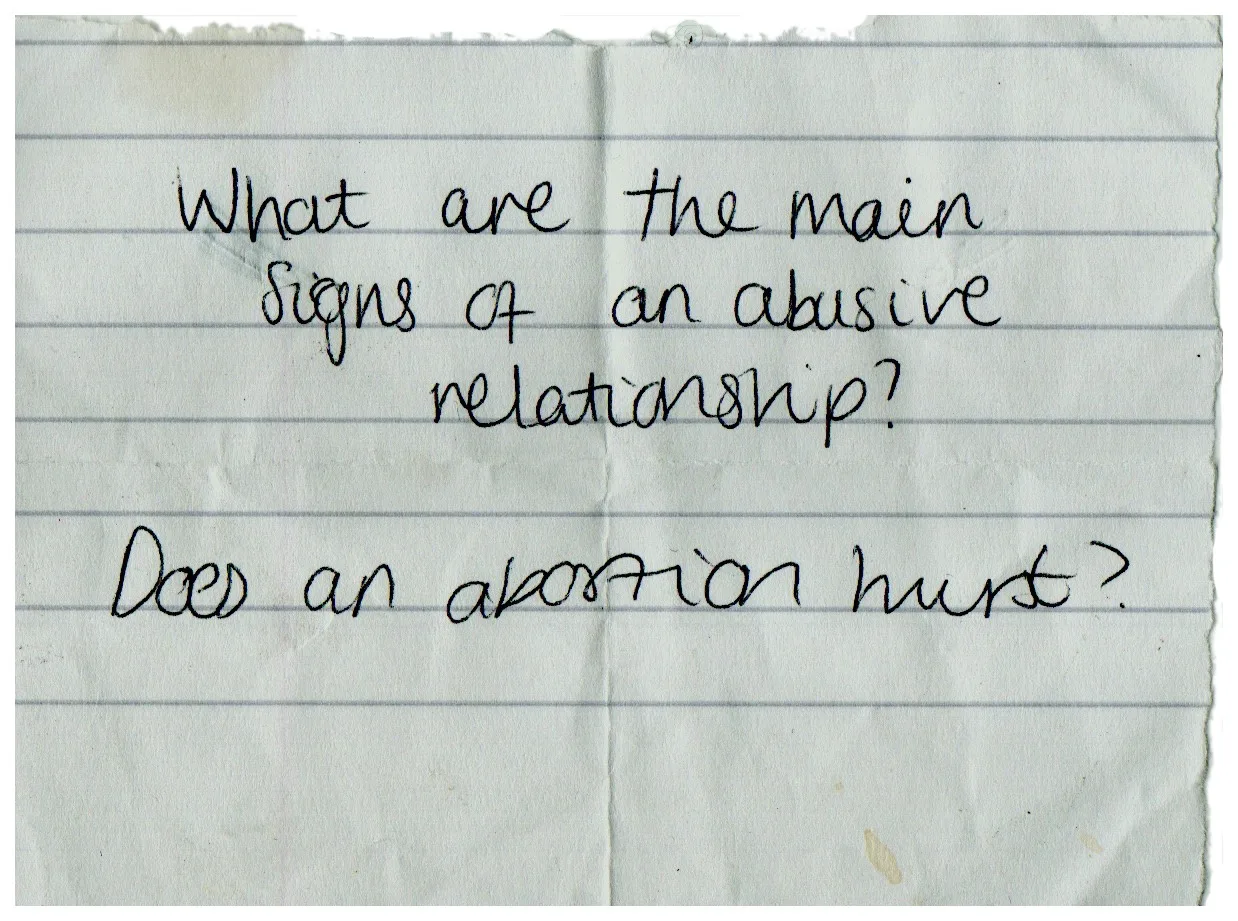
What are the main signs of an abusive relationship?
The main signs of an abusive relationship are often about control, not just physical violence.
Abuse doesn't always look like hitting. It can be someone checking your phone without asking, telling you what to wear, getting angry when you spend time with friends, or making you feel like everything is your fault. A lot of the time it starts small and builds up so gradually that you don't notice how bad it's got.
Some things to look out for: they get jealous or possessive and call it love. They put you down or make you feel stupid. They pressure you into things you're not comfortable with. They control who you talk to or try to cut you off from friends and family. You feel like you're walking on eggshells around them.
If you're reading that list and recognising a pattern, trust that feeling.
Abusive relationships can happen to anyone, regardless of gender, age, or sexuality. And leaving isn't always as simple as people make it sound, especially if you still have feelings for the person.
If any of this sounds familiar, talk to someone you trust.
The main signs of an abusive relationship are usually about control, not just hitting.
Signs to look out for: they check your phone without asking. They get angry when you see friends. They put you down and say it is just a joke. They pressure you into things you do not want to do. They try to control what you wear or who you talk to. You feel like you are walking on eggshells around them.
Abuse does not always look dramatic. It often starts small and gets worse over time.
It can happen to anyone, no matter their gender or age. If any of this sounds like your relationship, talk to someone you trust.
Need to talk to someone?
- ChildlineAny issue affecting under-19s. Abuse, bullying, mental health, relationships, sexual health.
- The MixMental health, drugs, homelessness, money, sex, relationships. For under-25s.
Other questions young people ask
-
 Relationships
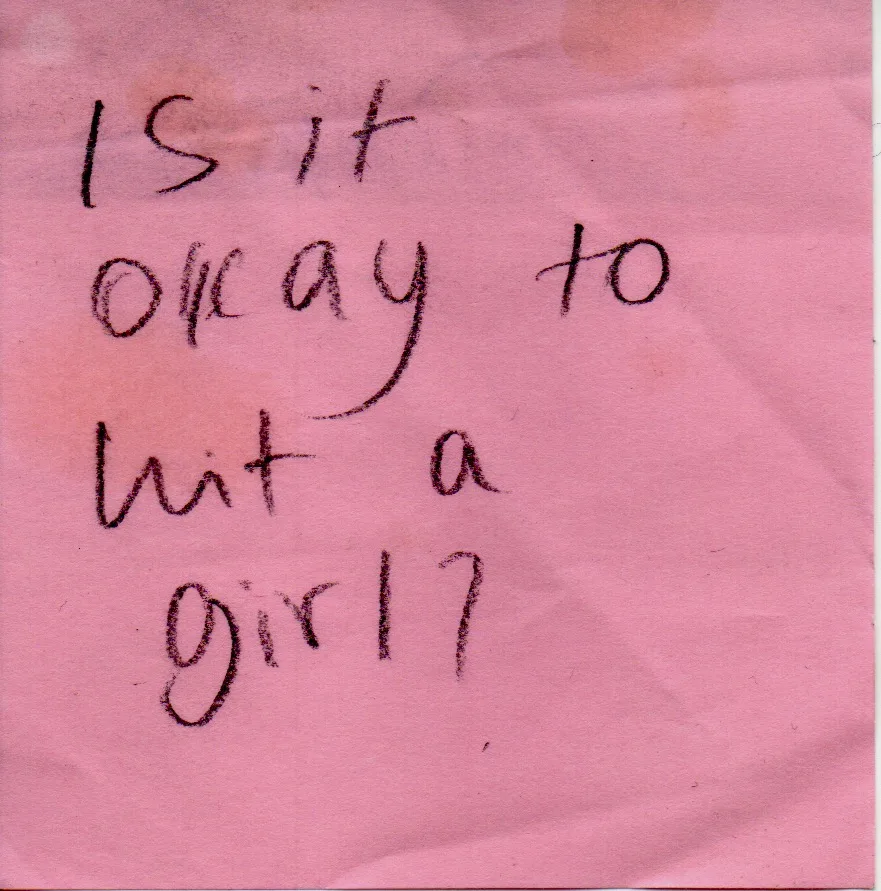
Is it ok to hit a girl?
Read the answer -
 Relationships
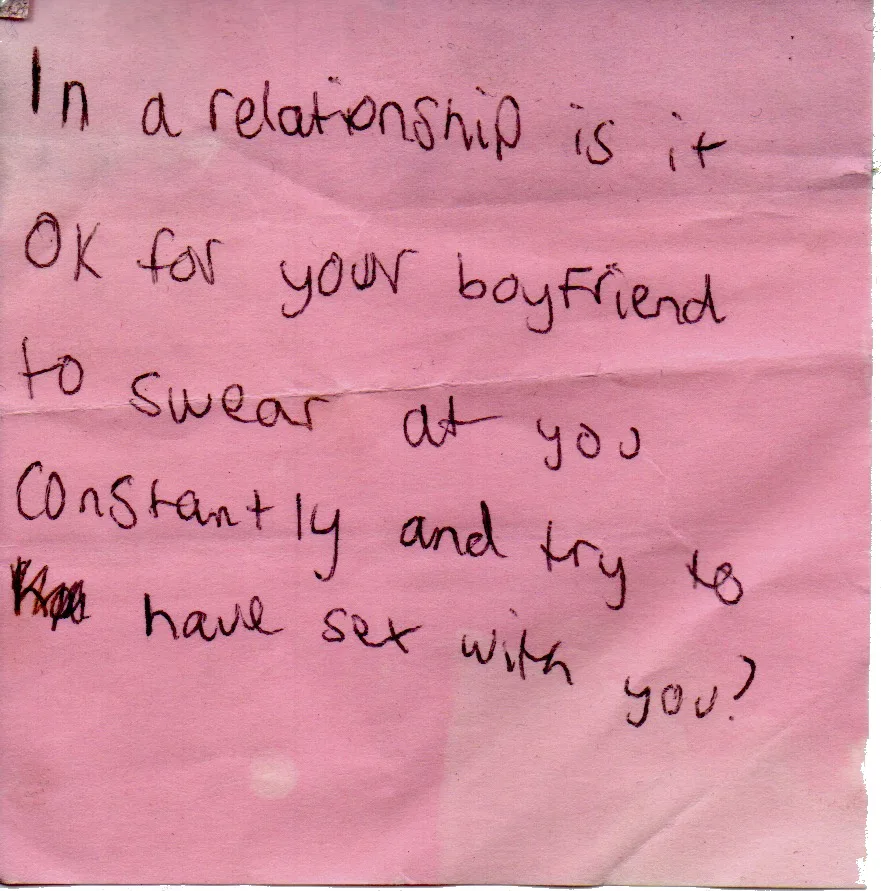
In a relationship is it OK for your boyfriend to swear at you constantly and try to have sex with you?
Read the answer -
 Relationships
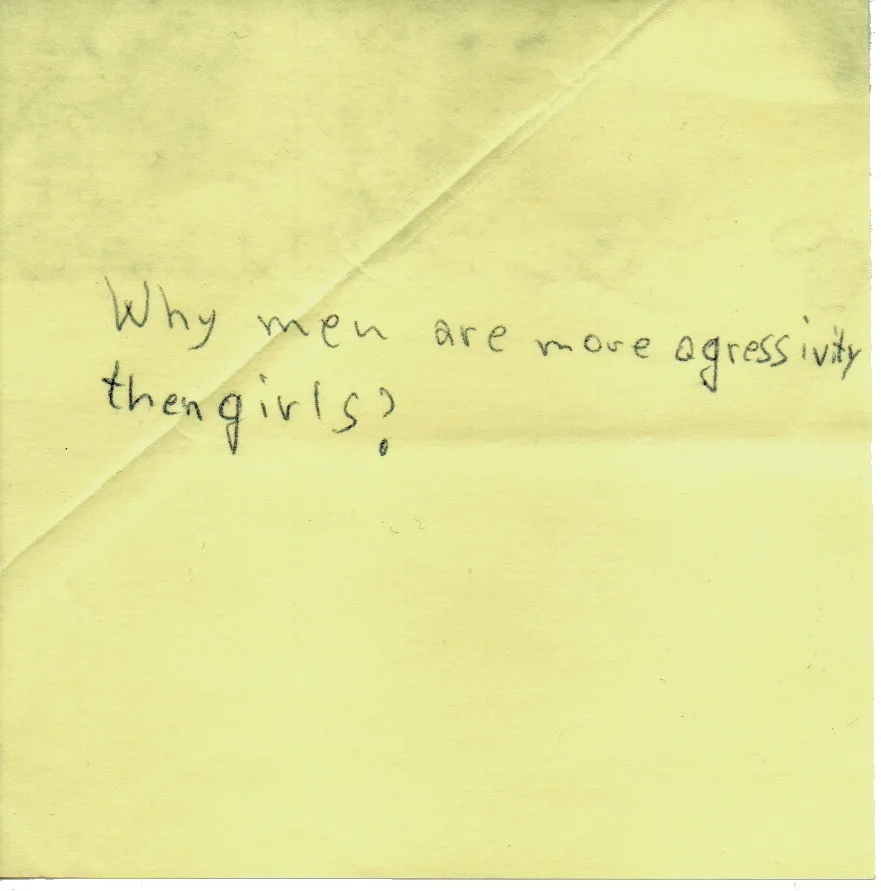
Why men are more agressive than girls?
Read the answer -
 Relationships
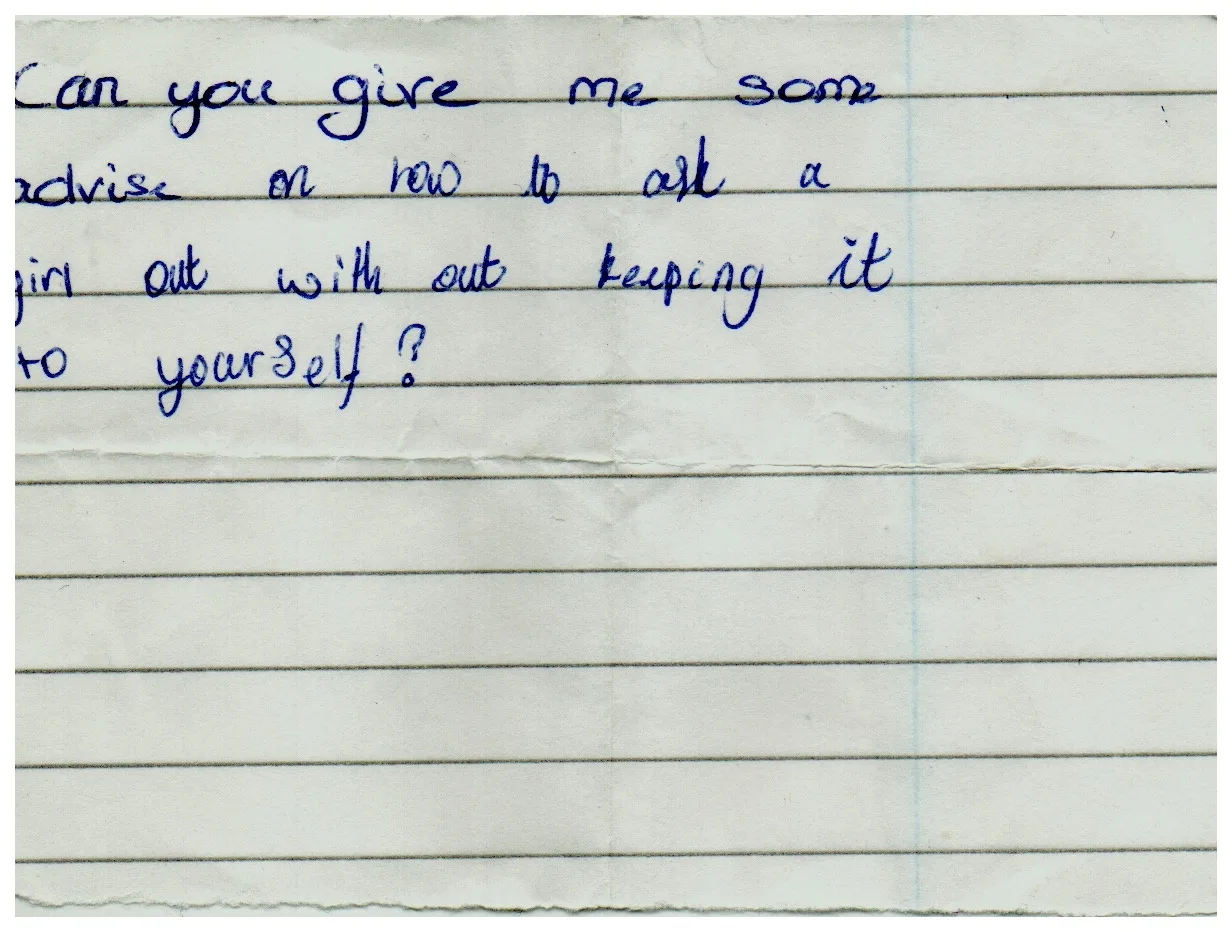
Can you give me some advice on how to ask a girl out without keeping it to yourself?
Read the answer -
 Relationships
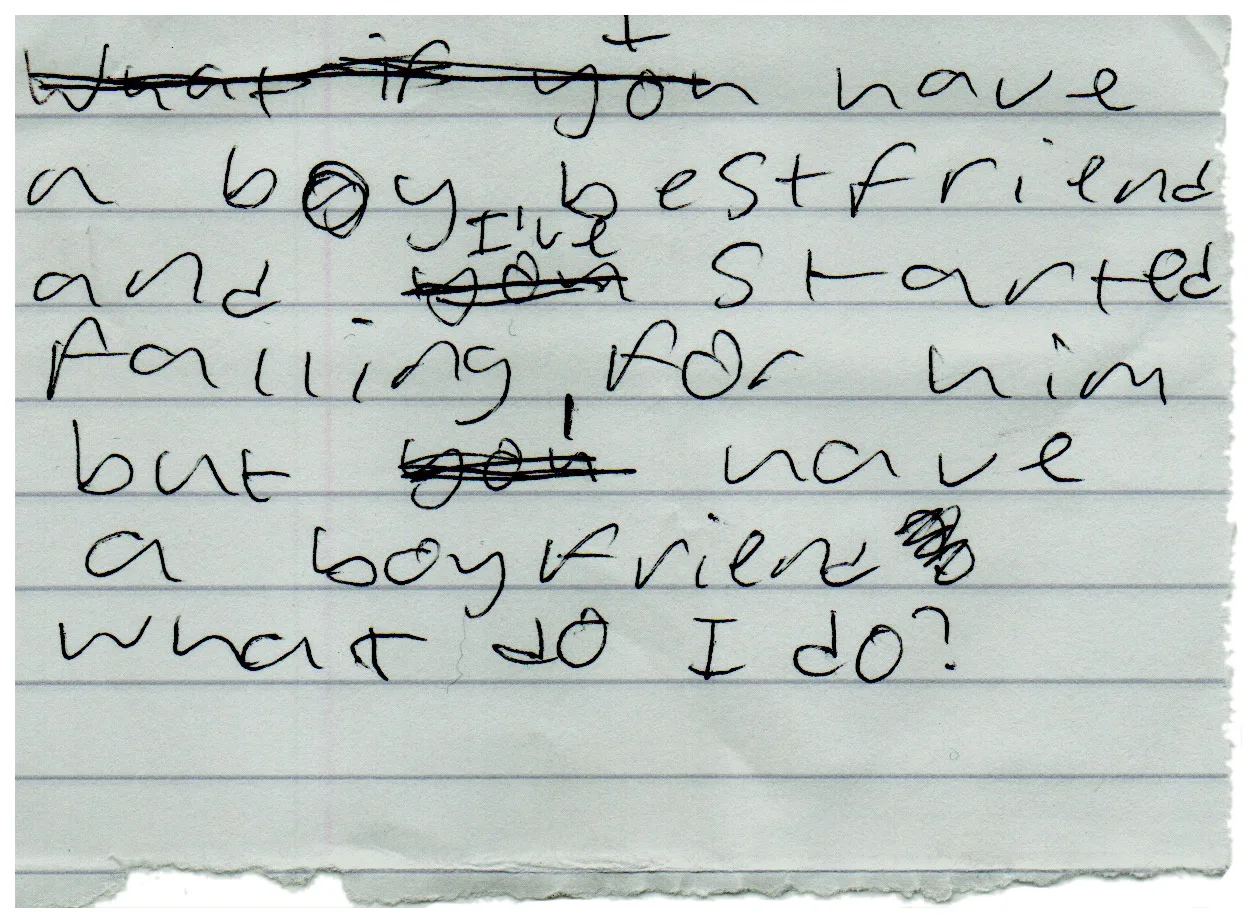
I have a boy bestfriend and I've started falling for him but have a boyfriend. What do I do?
Read the answer
Where to go from here
Three places this answer connects to — pick what you need next.
The book that answers the questions young people really ask — written for parents, carers and educators.
Buy the book →Curriculum guidance, lesson ideas and key terms to teach this topic with confidence.
See the topic hub →Expert-led delivery, training and curriculum planning from the team behind Okay to Ask.
See our services →