

LGBTQ+ inclusion
Overview
Our teaching on LGBTQ+ inclusion creates space for every young person in the room — those who are questioning, those who already know, and those who need to understand and respect the experiences of others.
This topic covers and with honesty and care. We explain what terms like , , , , and mean. We explore what it's like to grow up LGBTQ+ in a world that still doesn't always make room for you. And we challenge the prejudice, stereotyping, and misinformation that LGBTQ+ young people face — including online.
Whether a session is exploring different family structures with Year 3, or tackling homophobic and transphobic language with Year 9, the core is the same: these are not conversations about politics. They are conversations about people. Young people who are in your school right now, who deserve to feel safe enough to be who they are.
Key learning outcomes
By the end of lessons on this topic, students will:
- Understand what sexual orientation and gender identity mean, including key terminology
- Recognise the experiences and challenges faced by LGBTQ+ young people
- Challenge homophobic, biphobic, and transphobic language and behaviour
- Explore the difference between sex, gender, and sexual orientation
- Develop empathy for peers whose identity or experience differs from their own
- Understand the legal protections that exist for LGBTQ+ people in the UK
- Know where LGBTQ+ young people can access support and community
Why teaching LGBTQ+ inclusion matters
LGBTQ+ young people are significantly more likely to experience bullying, poor mental health, and self-harm than their peers. Those statistics don't improve by staying silent. They improve when schools actively create environments where every identity is acknowledged and respected.
Inclusion isn't a topic you cover once and tick off. It's a culture you build. Our work contributes to that — giving all young people the knowledge to be respectful and the LGBTQ+ young people in the room the message that they belong.
Curriculum alignment
This topic addresses 2 requirements from the DfE statutory RSE guidance and 10 learning outcomes from the PSHE Association Programme of Study , across KS1, KS2, KS3, KS4, KS5.
View all curriculum references
DfE RSE Statutory Guidance 2026
- "How to evaluate their impact on other people and treat others with kindness and respect, including in public spaces and including strangers. That everyone is unique and equal" Secondary RSE: Respectful relationships, 2 · KS3, KS4
- "The importance of self-esteem, independence and having a positive relationship with oneself, and how these characteristics support healthy relationships with others" Secondary RSE: Respectful relationships, 3 · KS3, KS4
PSHE Association Programme of Study 2020
- "About diversity in romantic and sexual attraction and developing sexuality, including sources of support and reassurance and how to access them" KS4 Core Theme 2: Relationships, R6 · KS4
- "About personal identity; what contributes to who we are (e.g. ethnicity, family, gender, faith, culture, hobbies, likes/dislikes)" KS1-2 Core Theme 1: Health and Wellbeing, H25 · KS1, KS2
- "About the unacceptability of prejudice-based language and behaviour, offline and online, including sexism, homophobia, biphobia, transphobia, racism, ableism and faith-based prejudice" KS3 Core Theme 2: Relationships, R40 · KS3
- "How to recognise, respect and, if appropriate, challenge the ways different faith or cultural views influence relationships" KS5 Core Theme 2: Relationships, R3 · KS5
- "That for some people gender identity does not correspond with their biological sex" KS1-2 Core Theme 1: Health and Wellbeing, H26 · KS1, KS2
- "That people may be attracted to someone emotionally, romantically and sexually; that people may be attracted to someone of the same sex or different sex to them; that gender identity and sexual orientation are different" KS1-2 Core Theme 2: Relationships, R2 · KS1, KS2
- "The difference between biological sex, gender identity and sexual orientation" KS3 Core Theme 2: Relationships, R4 · KS3
- "The legal rights, responsibilities and protections provided by the Equality Act 2010" KS4 Core Theme 2: Relationships, R5 · KS4
- "To recognise and challenge prejudice and discrimination and understand rights and responsibilities with regard to inclusion" KS5 Core Theme 2: Relationships, R2 · KS5
- "To recognise that sexual attraction and sexuality are diverse" KS3 Core Theme 2: Relationships, R5 · KS3
Explore ready-made lessons on LGBTQ+ inclusion
Browse expert-written RSE lessons in the Tailor library, ready to use with your students.
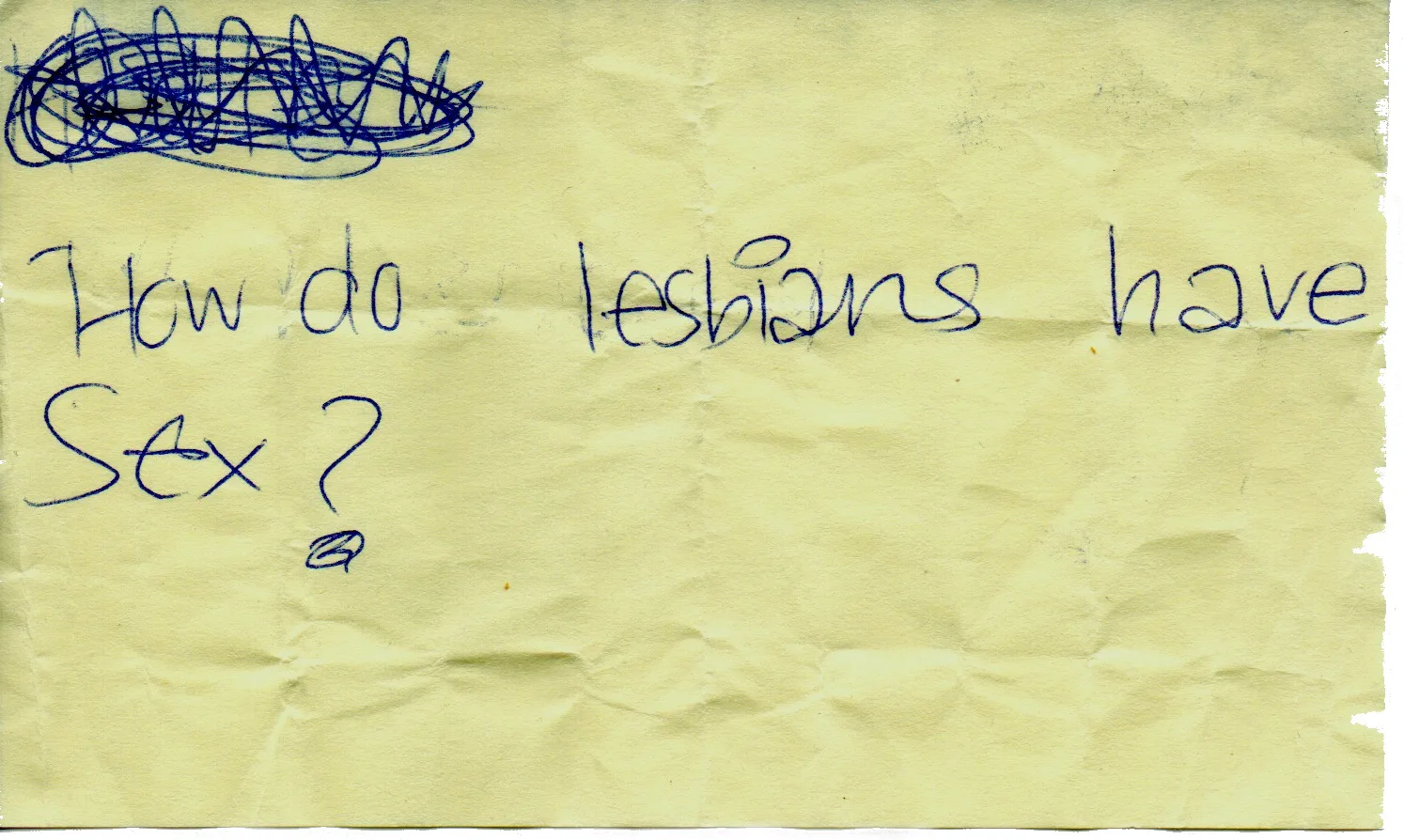
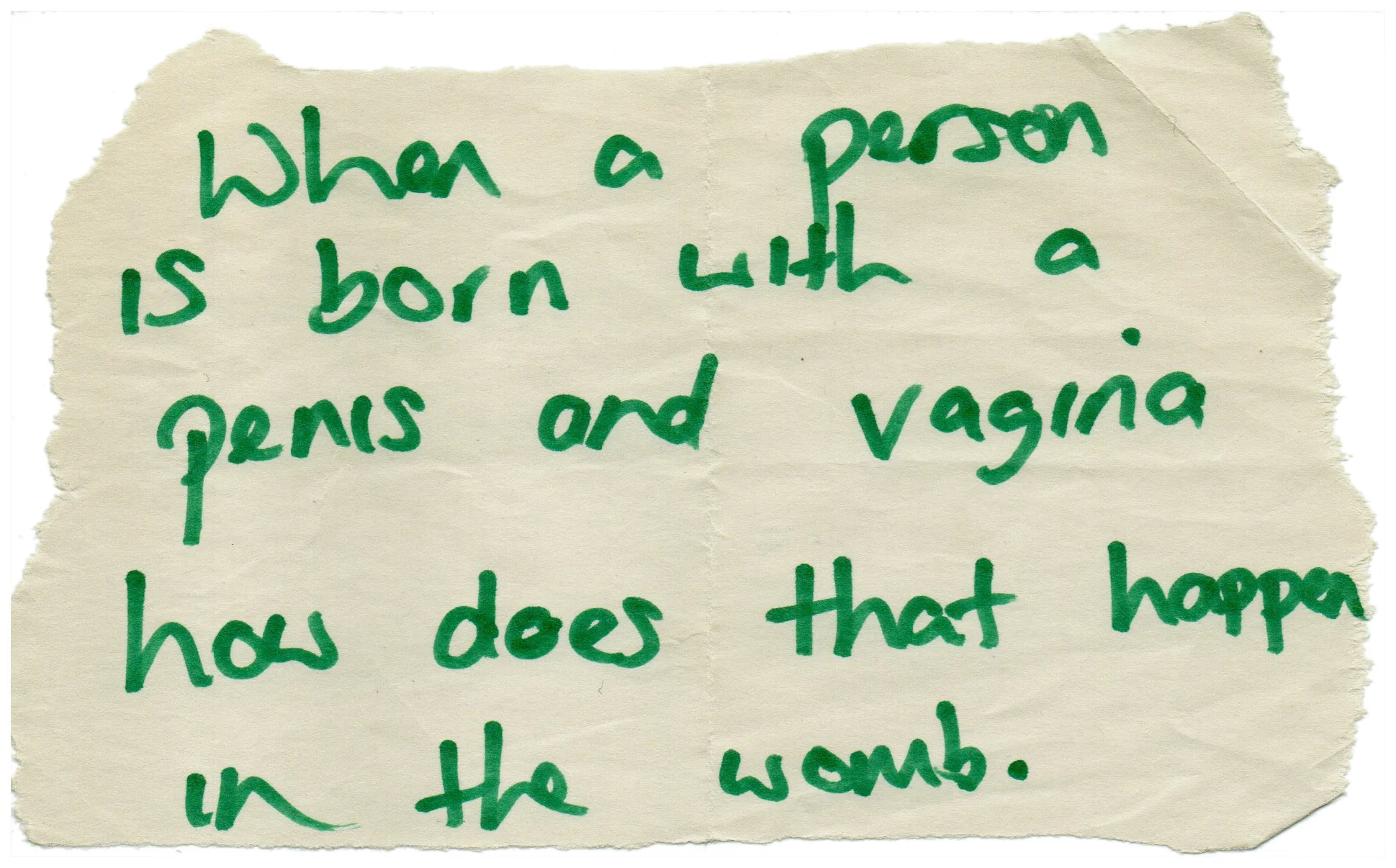
Questions young people ask about LGBTQ+ inclusion

Bring LGBTQ+ inclusion into your school
Expert-led RSE sessions delivered directly to your students, or training for your staff to deliver with confidence.
RSE training