

Pornography and media literacy
Overview
Our teaching on pornography and media literacy addresses the single biggest unregulated influence on young people's understanding of sex and relationships.
We start from the reality that most young people have encountered pornography — research consistently shows this by the age of 13, many earlier. We help young people understand what pornography is, why it exists, and — critically — why it is a terrible source of information about real sex, real relationships, and real bodies.
This topic also goes wider than pornography alone. It takes in how social media, influencers, and the wider media shape expectations about relationships, bodies, and gender roles. Deepfakes, AI-generated content, and the blurring of real and fake — these are all part of the landscape now. A session might focus on pornography and its distortions, or on media literacy and influencer culture, or on the specific threat of AI-generated intimate imagery. The critical thinking skills are transferable across all of it.
Key learning outcomes
By the end of lessons on this topic, students will:
- Understand why pornography is an unreliable and often harmful representation of sex and relationships
- Recognise the difference between pornographic depictions and real-life intimacy
- Develop critical media literacy skills to question what they see online
- Explore how social media and influencers shape expectations about bodies, sex, and relationships
- Understand the links between pornography and misogynistic attitudes and behaviours
- Learn about deepfakes, AI-generated imagery, and the manipulation of sexual content
- Know how to manage accidental exposure and where to get support
Why teaching about pornography and media literacy matters
When pornography is the loudest voice young people hear about sex, they need something better to measure it against. That's what this work provides.
Media literacy is essential. Young people are consuming more content than any previous generation, and much of it is designed to manipulate how they feel about themselves, their bodies, and their relationships. We give them the tools to see through it.
Curriculum alignment
This topic addresses 8 requirements from the DfE statutory RSE guidance and 4 learning outcomes from the PSHE Association Programme of Study , across KS3, KS4.
View all curriculum references
DfE RSE Statutory Guidance 2026
- "About the prevalence of deepfakes including videos and photos, how deepfakes can be used maliciously, the harms that can be caused by deepfakes and how to identify them" Secondary RSE: Online safety and awareness, 7 · KS3, KS4
- "How advertising and information is targeted at them and how to be a discerning consumer of information online, understanding the prevalence of misinformation and disinformation online" Secondary Health: Wellbeing online, 5 · KS3, KS4
- "How pornography can negatively influence sexual attitudes and behaviours, including by normalising harmful sexual behaviours and by disempowering some people" Secondary RSE: Respectful relationships, 11 · KS3, KS4
- "That AI chatbots are an example of how AI is rapidly developing, and that these can pose risks by creating fake intimacy or offering harmful advice" Secondary RSE: Online safety and awareness, 15 · KS3, KS4
- "That pornography often presents a distorted picture of people and their sexual behaviours and can negatively affect how people behave towards sexual partners. Pornography can also portray misogynistic behaviours and attitudes" Secondary RSE: Online safety and awareness, 11 · KS3, KS4
- "That pornography presents some activities as normal which many people do not and will never engage in, some of which can be emotionally and/or physically harmful" Secondary RSE: Being Safe, 15 · KS3, KS4
- "The characteristics of social media, including that some accounts are fake, may post things which are not real or have been created with AI, and that users may present highly exaggerated or idealised profiles of themselves" Secondary RSE: Online safety and awareness, 3 · KS3, KS4
- "The similarities and differences between the online world and the physical world, including the impact of unhealthy or obsessive comparison with others online and how people may curate a specific image of their life online" Secondary Health: Wellbeing online, 2 · KS3, KS4
PSHE Association Programme of Study 2020
- "How different media portray idealised and artificial body shapes; how this influences body satisfaction and body image and how to critically appraise what they see and manage feelings about this" KS4 Core Theme 1: Health and Wellbeing, H3 · KS4
- "That the portrayal of sex in the media and social media (including pornography) can affect people's expectations of relationships and sex" KS3 Core Theme 2: Relationships, R8 · KS3
- "The impact that media and social media can have on how people think about themselves and express themselves, including regarding body image, physical and mental health" KS3 Core Theme 1: Health and Wellbeing, H3 · KS3
- "To understand the potential impact of the portrayal of sex in pornography and other media, including on sexual attitudes, expectations and behaviours" KS4 Core Theme 2: Relationships, R8 · KS4
Explore ready-made lessons on Pornography and media literacy
Browse expert-written RSE lessons in the Tailor library, ready to use with your students.
Questions young people ask about Pornography and media literacy
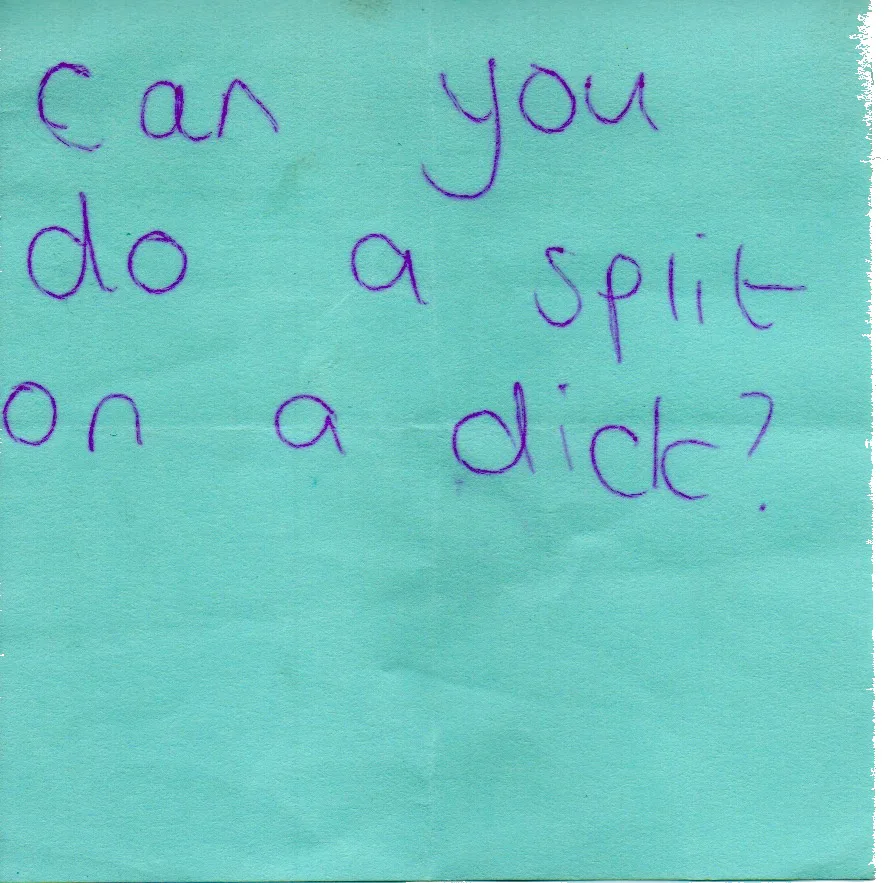
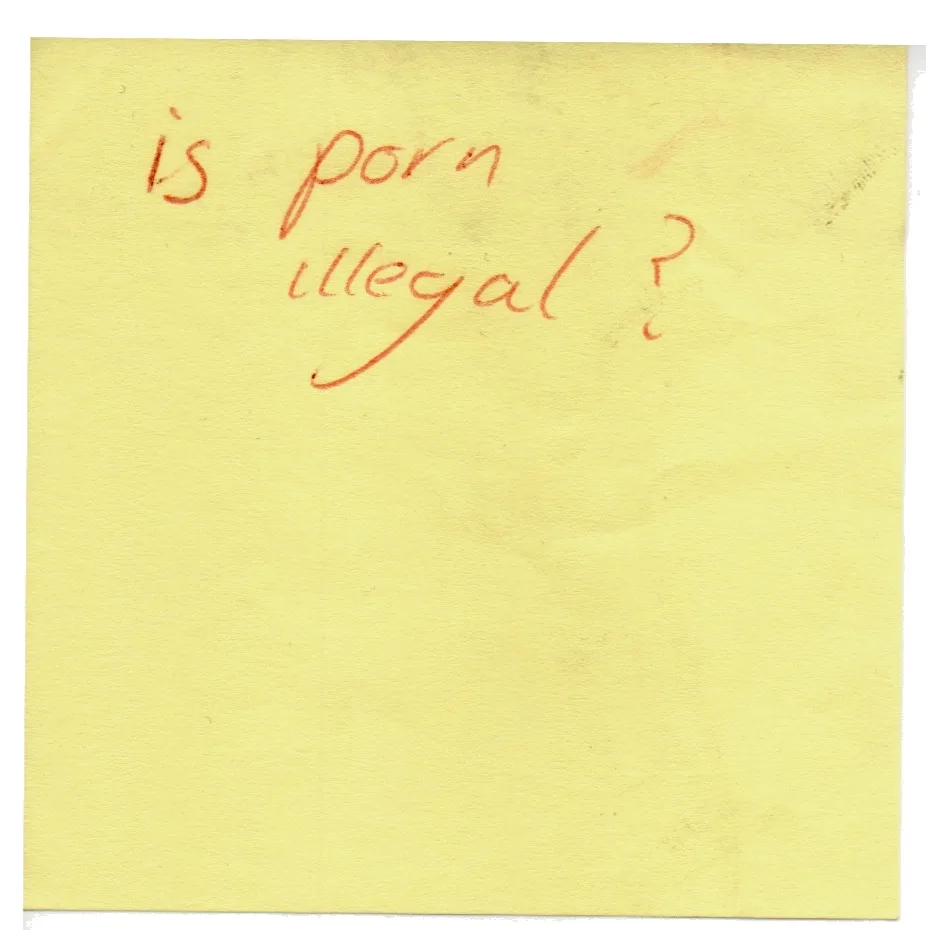
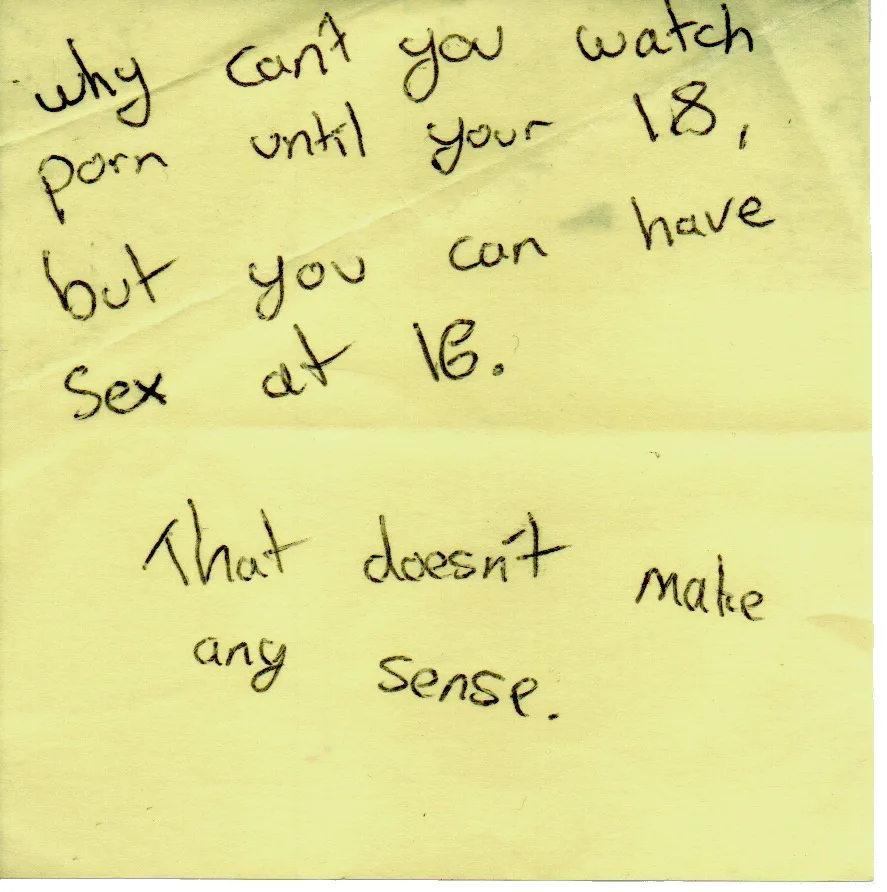

Bring Pornography and media literacy into your school
Expert-led RSE sessions delivered directly to your students, or training for your staff to deliver with confidence.
Explore RSE delivery