
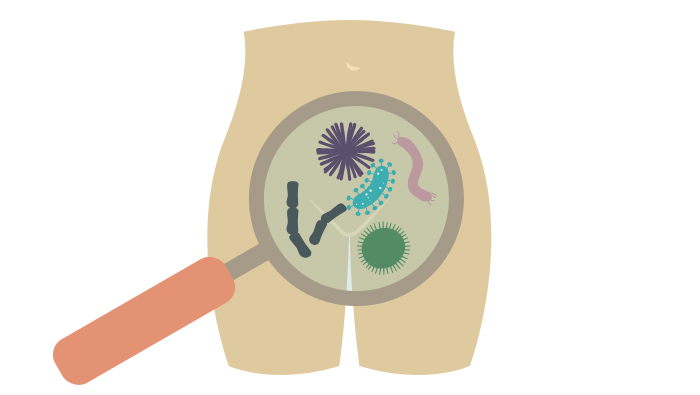
STIs and sexual health
Overview
Our teaching on and sexual health cuts through the stigma and silence that still surround sexual health for many young people.
We cover the facts: what sexually transmitted infections are, how they spread, how to prevent them, and what to do if you think you've been exposed. We address directly — the modern reality, not the outdated fear. We talk about testing, treatment, and the importance of regular sexual health check-ups as a normal part of looking after yourself.
But facts alone don't change behaviour. So this topic also takes in the barriers — the shame, the embarrassment, the belief that "it won't happen to me." Whether a session is focused on STI prevention and safer sex practices, or on accessing services and overcoming embarrassment, the thread is the same: sexual health is health. Treat it that way.
Key learning outcomes
By the end of lessons on this topic, students will:
- Understand the most common STIs, their symptoms, transmission routes, and treatments
- Know how to reduce the risk of contracting or transmitting an STI
- Recognise the importance of regular testing and know how to access sexual health services
- Challenge stigma around STIs and understand that having one is a health issue, not a moral failing
- Learn the modern facts about HIV, including prevention methods like and the meaning of undetectable = untransmittable
- Develop the confidence to discuss sexual health openly with partners
- Understand safer sex as an ongoing practice, not a one-time decision
Why teaching about STIs and sexual health matters
STI rates among young people in the UK continue to rise. remains the most commonly diagnosed STI, and those aged 15–24 account for nearly half of all new diagnoses. These are not abstract statistics — they represent young people in your school.
Stigma is the biggest barrier to sexual health. When young people are too embarrassed to get tested, too ashamed to tell a partner, or too misinformed to use protection consistently, infections spread and health suffers. The antidote is education that is honest, shame-free, and practical.
Curriculum alignment
This topic addresses 8 requirements from the DfE statutory RSE guidance and 9 learning outcomes from the PSHE Association Programme of Study , across KS3, KS4, KS5.
View all curriculum references
DfE RSE Statutory Guidance 2026
- "How and where to seek support for concerns around sexual relationships including sexual violence or harms" Secondary RSE: Intimate and sexual relationships, 11 · KS3, KS4
- "How the different sexually transmitted infections (STIs), including HIV, are transmitted. How risk can be reduced through safer sex (including through condom use). The use and availability of PrEP and PEP and how and where to access them" Secondary RSE: Intimate and sexual relationships, 8 · KS3, KS4
- "How to counter misinformation, including signposting towards medically accurate information and further advice, and where to access confidential sexual and reproductive health advice and treatment" Secondary RSE: Intimate and sexual relationships, 12 · KS3, KS4
- "How to navigate their local healthcare system: what a GP is; when to use A&E/minor injuries; accessing sexual health and family planning clinics; the role of local pharmacies" Secondary Health: Health protection and prevention, 8 · KS3, KS4
- "That all aspects of health can be affected by choices they make in sex and relationships, positively or negatively, e.g. physical, emotional, mental, sexual and reproductive health and wellbeing" Secondary RSE: Intimate and sexual relationships, 4 · KS3, KS4
- "That some sexual behaviours can be harmful" Secondary RSE: Intimate and sexual relationships, 5 · KS3, KS4
- "The facts about the full range of contraceptive choices, efficacy and options available, including male and female condoms, and signposting towards medically accurate online information about sexual and reproductive health" Secondary RSE: Intimate and sexual relationships, 6 · KS3, KS4
- "The prevalence of STIs, the short and long term impact they can have on those who contract them and key facts about treatment" Secondary RSE: Intimate and sexual relationships, 9 · KS3, KS4
PSHE Association Programme of Study 2020
- "About choices and support available in the event of an unplanned pregnancy, and how to access appropriate help and advice" KS4 Core Theme 1: Health and Wellbeing, H33 · KS4
- "About specific STIs, their treatment and how to reduce the risk of transmission" KS4 Core Theme 1: Health and Wellbeing, H27 · KS4
- "About the purpose, importance and different forms of contraception; how and where to access contraception and advice" KS3 Core Theme 1: Health and Wellbeing, H35 · KS3
- "How to reduce the risk of contracting or passing on a sexually transmitted infection (STI)" KS5 Core Theme 1: Health and Wellbeing, H19 · KS5
- "How to take responsibility for their sexual health and know where and how to access local and national advice, diagnosis and treatment" KS5 Core Theme 1: Health and Wellbeing, H20 · KS5
- "That certain infections can be spread through sexual activity and that barrier contraceptives offer some protection against certain sexually transmitted infections (STIs)" KS3 Core Theme 1: Health and Wellbeing, H36 · KS3
- "The communication and negotiation skills necessary for contraceptive use in healthy relationships" KS3 Core Theme 2: Relationships, R32 · KS3
- "The risks related to unprotected sex" KS3 Core Theme 2: Relationships, R33 · KS3
- "To overcome barriers (including embarrassment and misconceptions) about sexual health and the use of sexual health services" KS4 Core Theme 1: Health and Wellbeing, H29 · KS4
Explore ready-made lessons on STIs and sexual health
Browse expert-written RSE lessons in the Tailor library, ready to use with your students.
Questions young people ask about STIs and sexual health
-
 Sexual Health
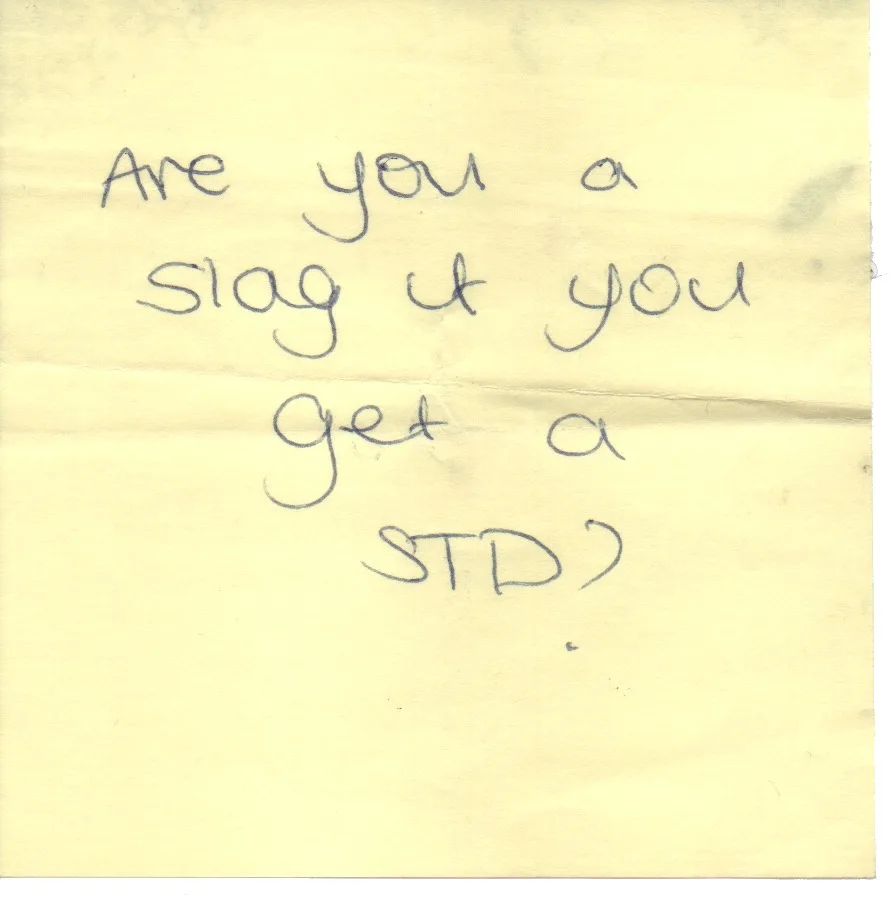
Are you a slag if you get an STD?
Read the answer -
 Sexual Health
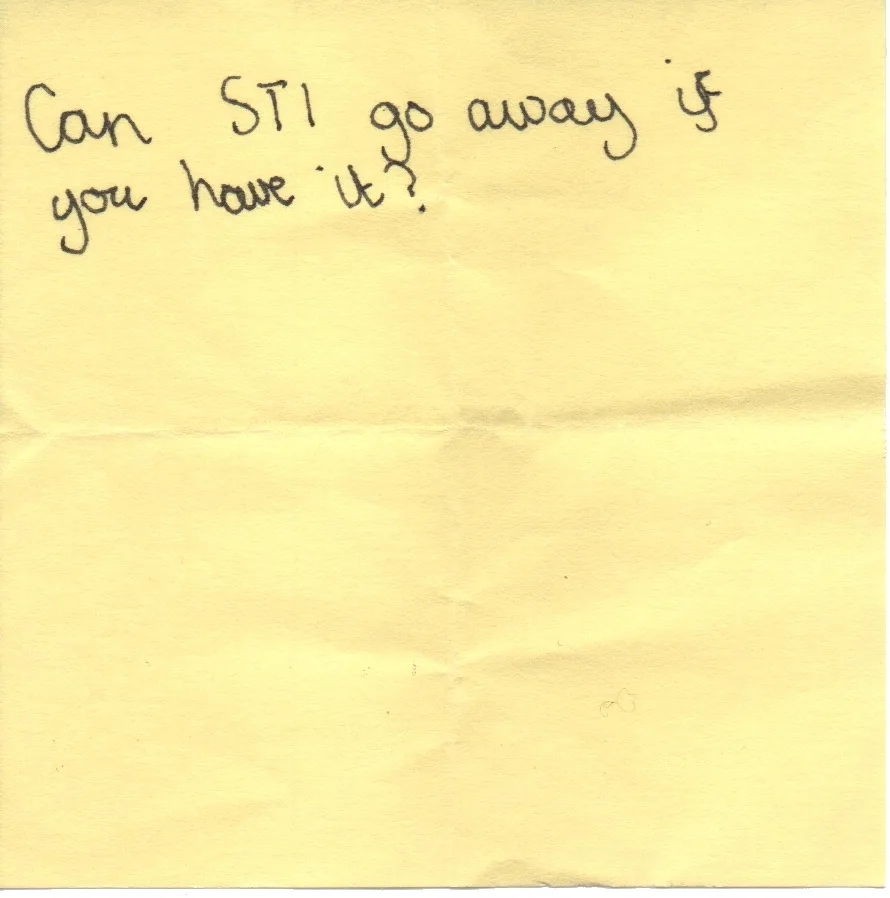
Can an STI go away if you have it?
Read the answer -
 Sexual Health
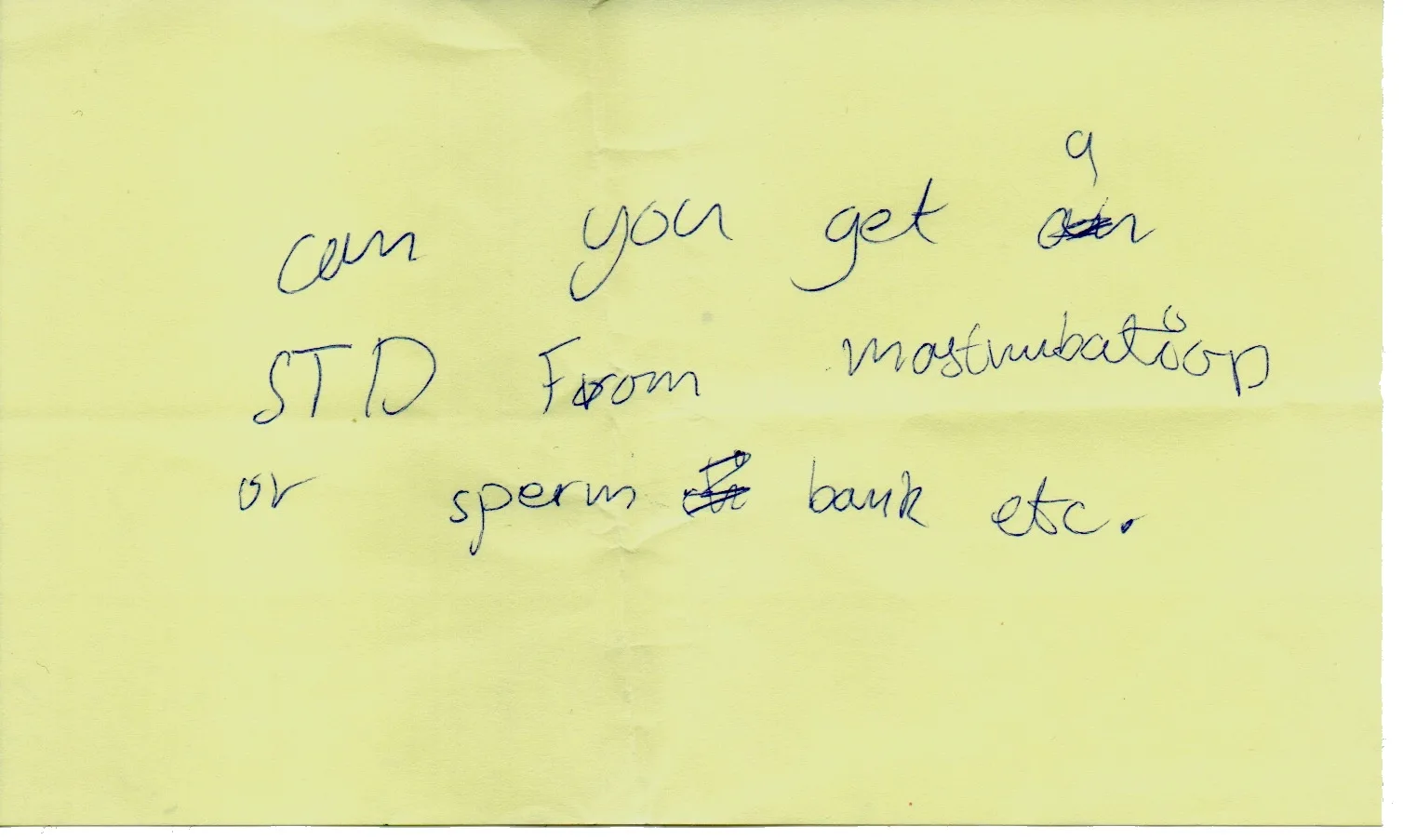
Can you get an STI from masturbation or sperm bank etc?
Read the answer -
 Sexual Health
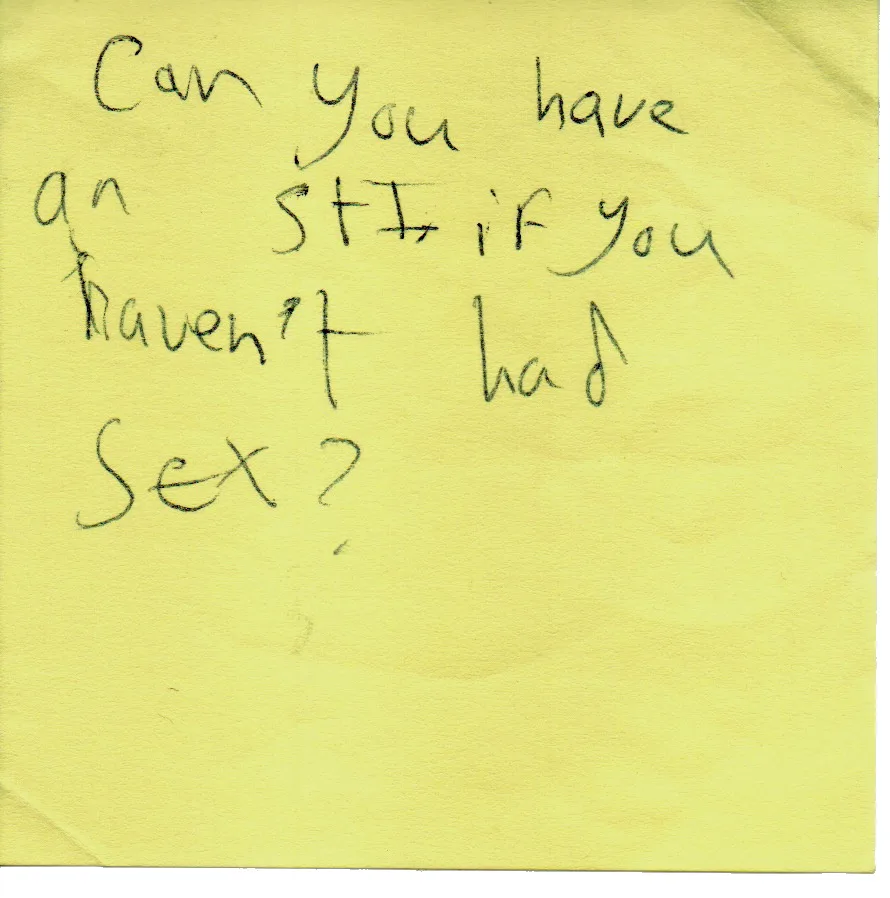
Can you have an STI if you haven't had sex?
Read the answer -
 Sexual Health
Do gay men get more STDs than straight men?
Read the answer -
 Sexual Health
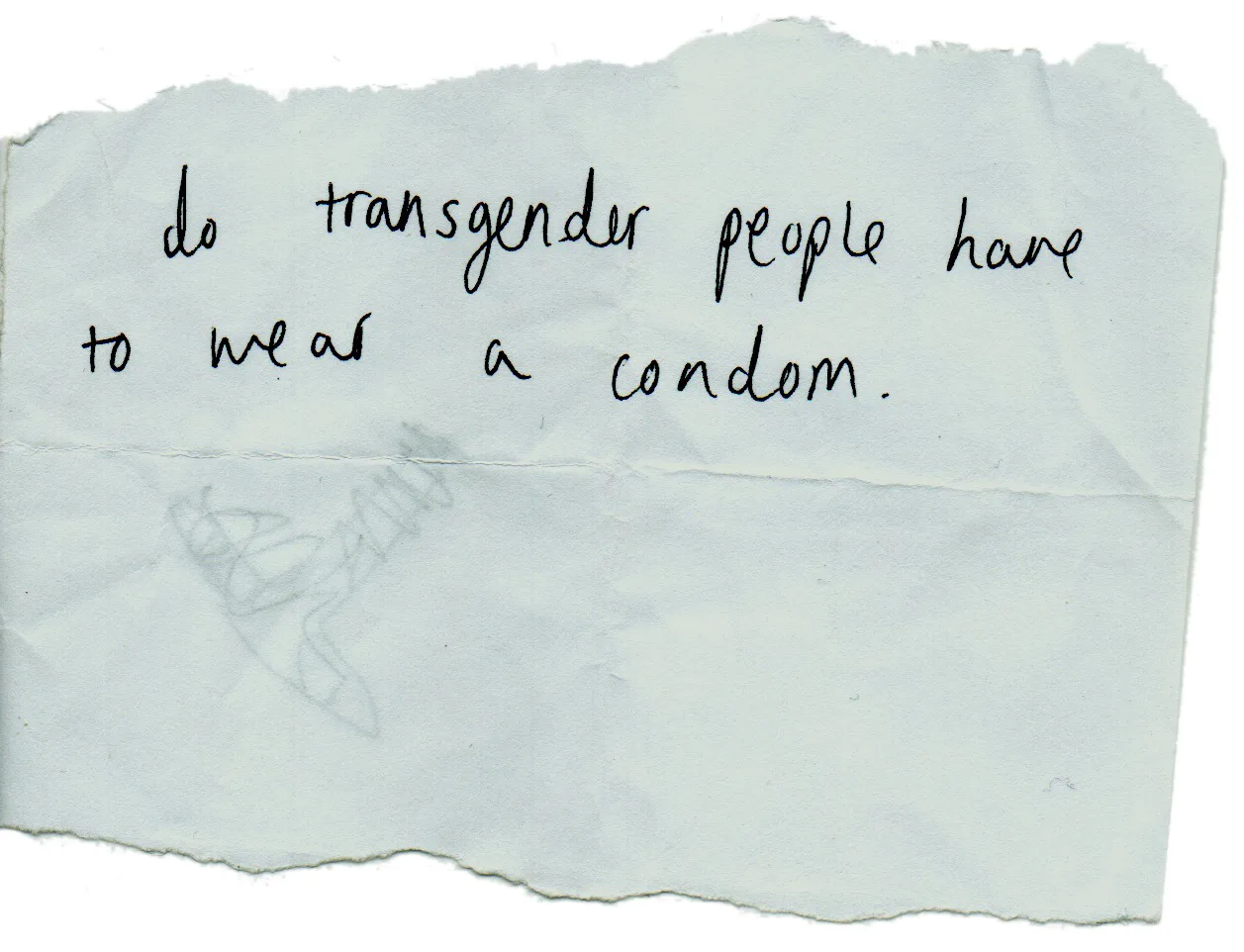
Do transgender people have to wear a condom?
Read the answer

Bring STIs and sexual health into your school
Expert-led RSE sessions delivered directly to your students, or training for your staff to deliver with confidence.
RSE training