
Masculinity and misogyny
Overview
Our work on masculinity and misogyny has long supported schools in addressing some of the most pressing issues facing boys today — identity, emotional safety, social pressure, and how harmful ideas about manhood take root early and go unchallenged.
These sessions are not about blame or shame. They are about making space. Space for honest reflection, for the difficult questions boys rarely get to ask aloud, and for new, healthier models of masculinity that embrace vulnerability, empathy, and individuality.
Drawing on research, real-world examples, and lived experience, we invite boys to consider how masculinity is shaped around them, how it shapes them in return, and what happens when the pressure to "be a man" squeezes out their ability to feel, belong, and connect. We also tackle misogyny head-on — the everyday sexism, the online radicalisation, the influencers selling a version of manhood built on dominance rather than decency.
Key learning outcomes
By the end of lessons on this topic, students will:
- Understand how social and cultural forces shape ideas about masculinity from a young age
- Recognise how pressure to conform can isolate boys and limit emotional expression
- Explore the links between rigid masculinity, mental health, and harmful behaviour
- Identify and challenge misogynistic attitudes, including those encountered online
- Reflect on the influence of the "manosphere" and online figures promoting toxic masculinity
- Develop a personal understanding of strength that includes care, compassion, and emotional honesty
- Learn how to support one another and challenge harmful behaviours or assumptions
Why teaching about masculinity and misogyny matters
We are seeing the cost of unspoken pain. Of boys who feel they can't cry, ask for help, or admit when they're lost. Schools are on the front line — not just in terms of behaviour, but in terms of mental health, friendship breakdowns, and questions of identity.
Meanwhile, online misogyny is radicalising boys at speed. The pipeline from "funny" memes to genuine hatred of women is short, and it's moving fast. These sessions create the space boys need to reflect, reconnect, and choose who they want to be — before someone else makes that choice for them.
Curriculum alignment
This topic addresses 13 requirements from the DfE statutory RSE guidance and 6 learning outcomes from the PSHE Association Programme of Study , across KS3, KS4, KS5.
View all curriculum references
DfE RSE Statutory Guidance 2026
- "How advertising and information is targeted at them and how to be a discerning consumer of information online, understanding the prevalence of misinformation and disinformation online" Secondary Health: Wellbeing online, 5 · KS3, KS4
- "How pornography can negatively influence sexual attitudes and behaviours, including by normalising harmful sexual behaviours and by disempowering some people" Secondary RSE: Respectful relationships, 11 · KS3, KS4
- "How stereotypes, in particular stereotypes based on sex, gender reassignment, race, religion, sexual orientation or disability, can cause damage (e.g. how they might normalise non-consensual behaviour or encourage prejudice)" Secondary RSE: Respectful relationships, 9 · KS3, KS4
- "That fixated, obsessive, unwanted and repeated behaviours can be criminal, and where to get help if needed" Secondary RSE: Being Safe, 10 · KS3, KS4
- "That pornography often presents a distorted picture of people and their sexual behaviours and can negatively affect how people behave towards sexual partners. Pornography can also portray misogynistic behaviours and attitudes" Secondary RSE: Online safety and awareness, 11 · KS3, KS4
- "That pornography presents some activities as normal which many people do not and will never engage in, some of which can be emotionally and/or physically harmful" Secondary RSE: Being Safe, 15 · KS3, KS4
- "That sexual harassment includes unsolicited sexual language/attention/touching, taking and/or sharing intimate or sexual images without consent, public sexual harassment, pressuring other people to do sexual things, and upskirting" Secondary RSE: Being Safe, 6 · KS3, KS4
- "That some sexual behaviours can be harmful" Secondary RSE: Intimate and sexual relationships, 5 · KS3, KS4
- "That strangulation and suffocation are criminal offences, and that any activity that involves applying force or pressure to someone's neck or covering someone's mouth and nose is dangerous and can lead to serious injury or death" Secondary RSE: Being Safe, 14 · KS3, KS4
- "That the internet contains inappropriate and upsetting content, some of which is illegal, including content that encourages misogyny, violence or use of weapons" Secondary RSE: Online safety and awareness, 8 · KS3, KS4
- "The concepts and laws relating to harmful sexual behaviour, which includes all types of sexual harassment and sexual violence among young people" Secondary RSE: Being Safe, 8 · KS3, KS4
- "The concepts and laws relating to sexual violence, including rape and sexual assault" Secondary RSE: Being Safe, 7 · KS3, KS4
- "What constitutes sexual harassment or sexual violence, and that such behaviour is unacceptable, emphasising that it is never the fault of the person experiencing it" Secondary RSE: Being Safe, 5 · KS3, KS4
PSHE Association Programme of Study 2020
- "How to recognise, and seek help in the case of, sexual abuse, exploitation, assault or rape, and the process for reporting to appropriate authorities" KS5 Core Theme 2: Relationships, R13 · KS5
- "That the portrayal of sex in the media and social media (including pornography) can affect people's expectations of relationships and sex" KS3 Core Theme 2: Relationships, R8 · KS3
- "The characteristics of abusive behaviours, such as grooming, sexual harassment, sexual and emotional abuse, violence and exploitation; to recognise warning signs, including online; how to report abusive behaviours or access support" KS3 Core Theme 2: Relationships, R37 · KS3
- "To evaluate expectations about gender roles, behaviour and intimacy within romantic relationships" KS3 Core Theme 2: Relationships, R11 · KS3
- "To understand the potential impact of the portrayal of sex in pornography and other media, including on sexual attitudes, expectations and behaviours" KS4 Core Theme 2: Relationships, R8 · KS4
- "To understand their rights in relation to harassment (including online) and stalking, how to respond and how to access support" KS5 Core Theme 2: Relationships, R22 · KS5
Explore ready-made lessons on Masculinity and misogyny
Browse expert-written RSE lessons in the Tailor library, ready to use with your students.
Questions young people ask about Masculinity and misogyny
-
 Sexual Health
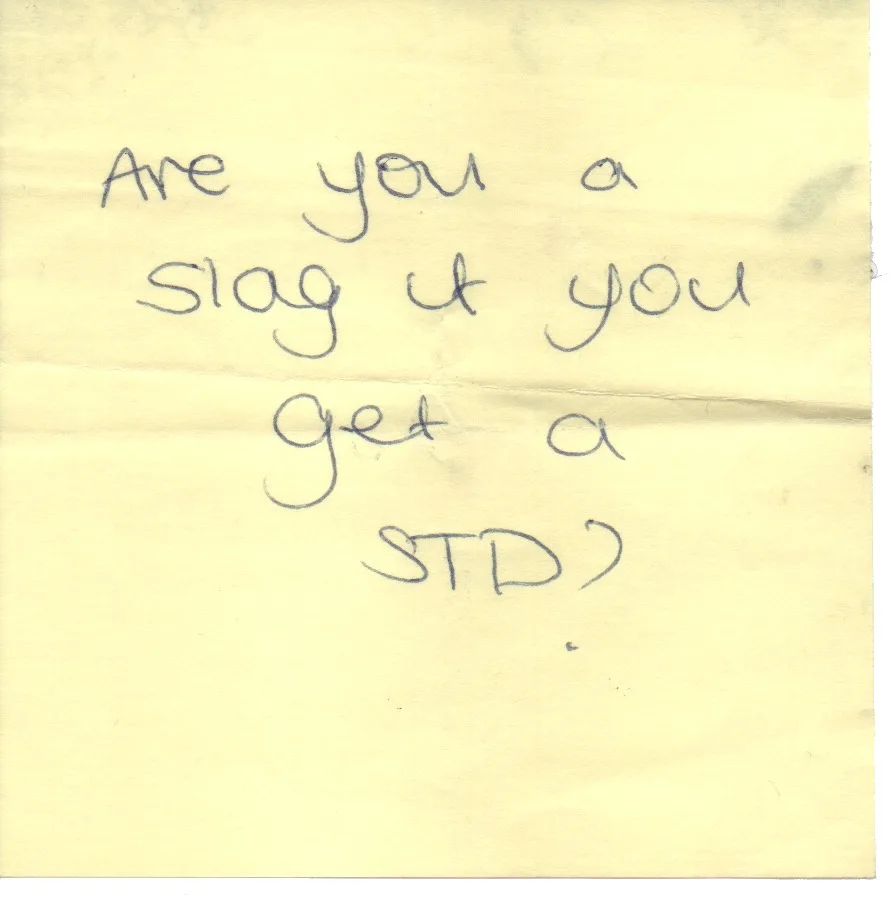
Are you a slag if you get an STD?
Read the answer -
 Sex
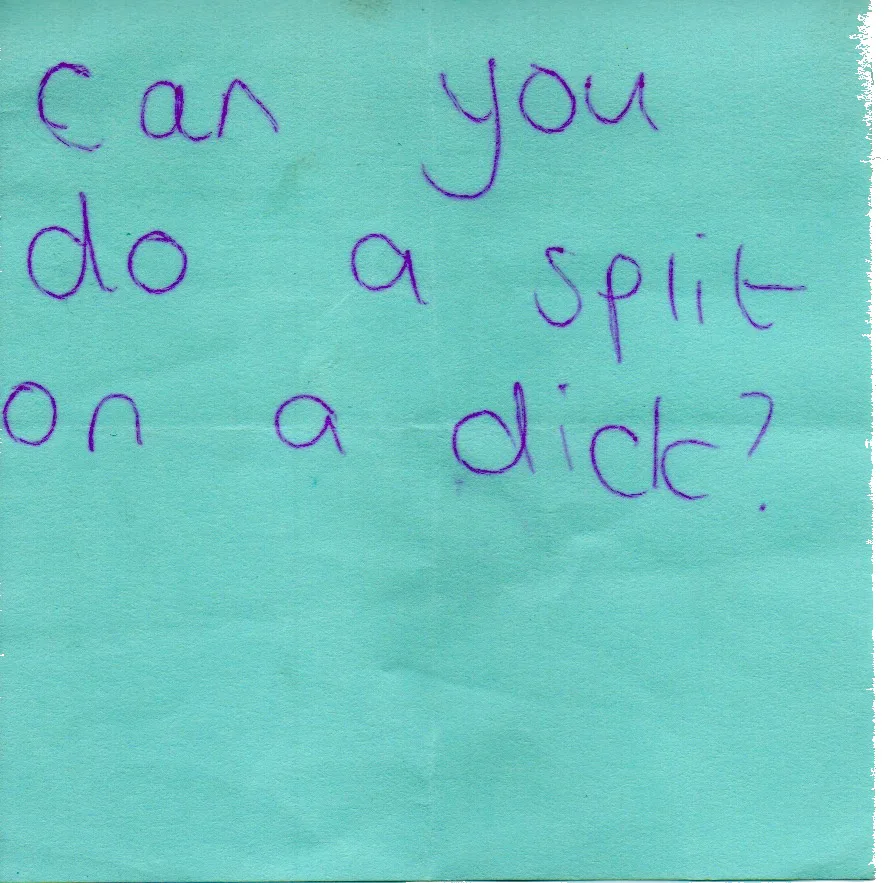
SexCan you do a split on a dick?
Read the answer -
 Sex & the Law
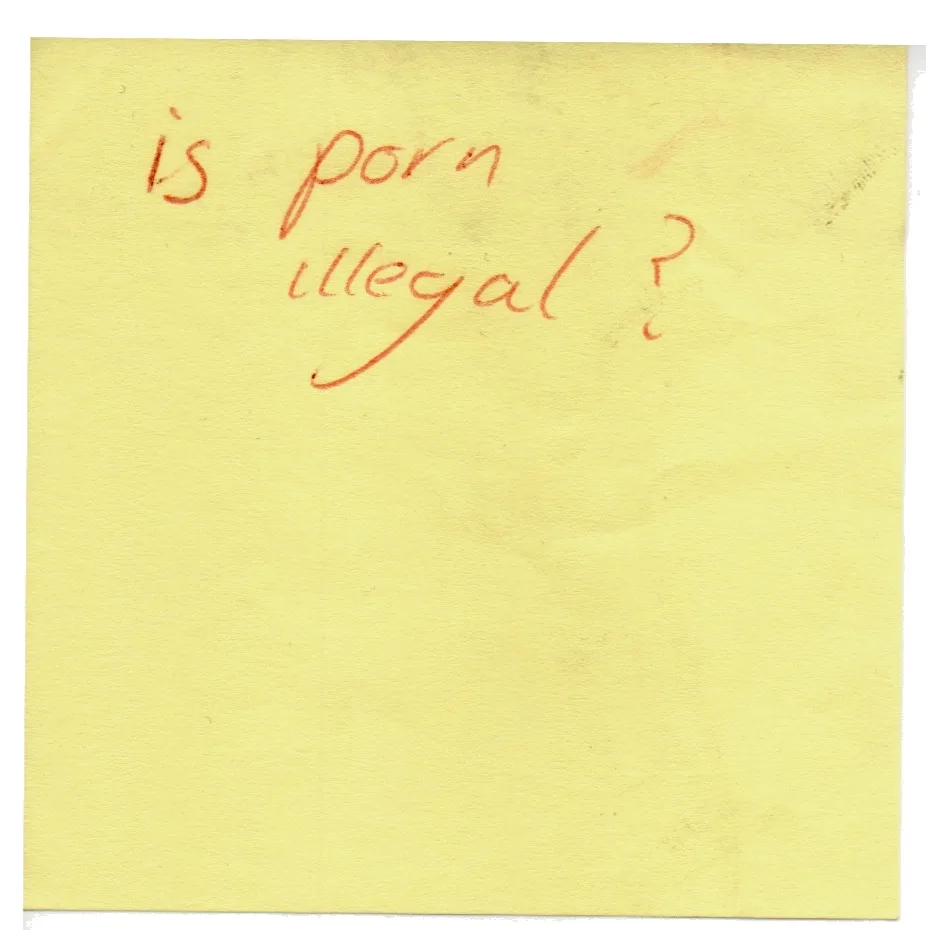
Is porn illegal?
Read the answer -
 Sex & the Law
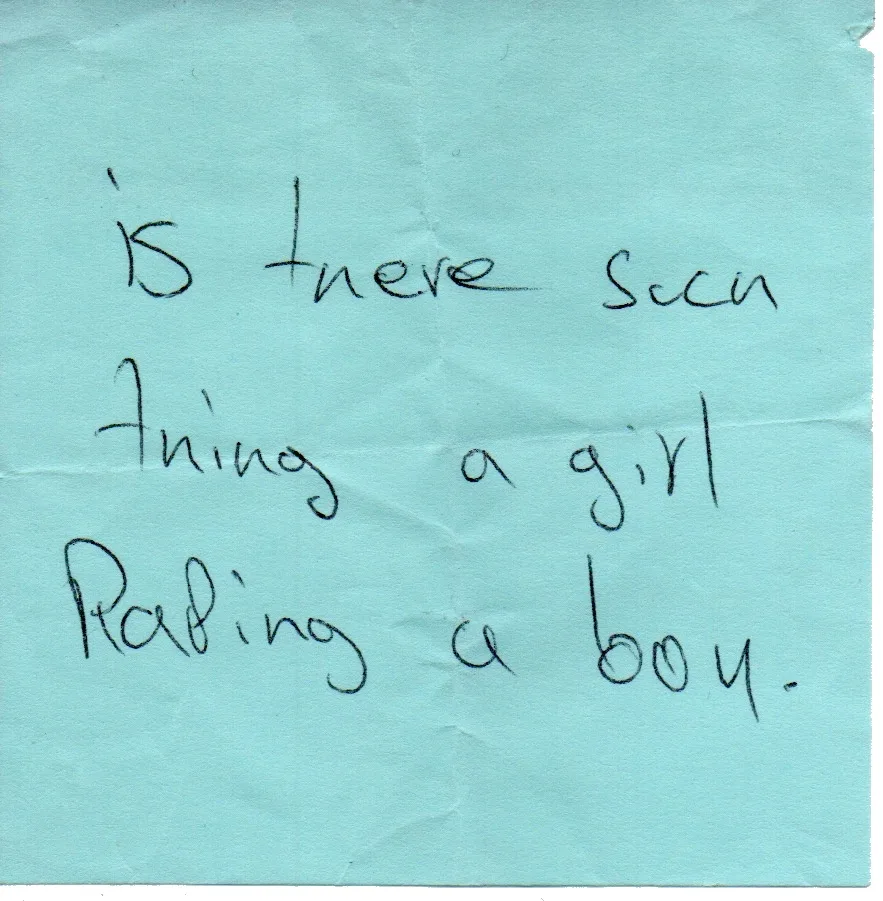
Is there such thing as a girl raping a boy?
Read the answer -
 Sex & the Law
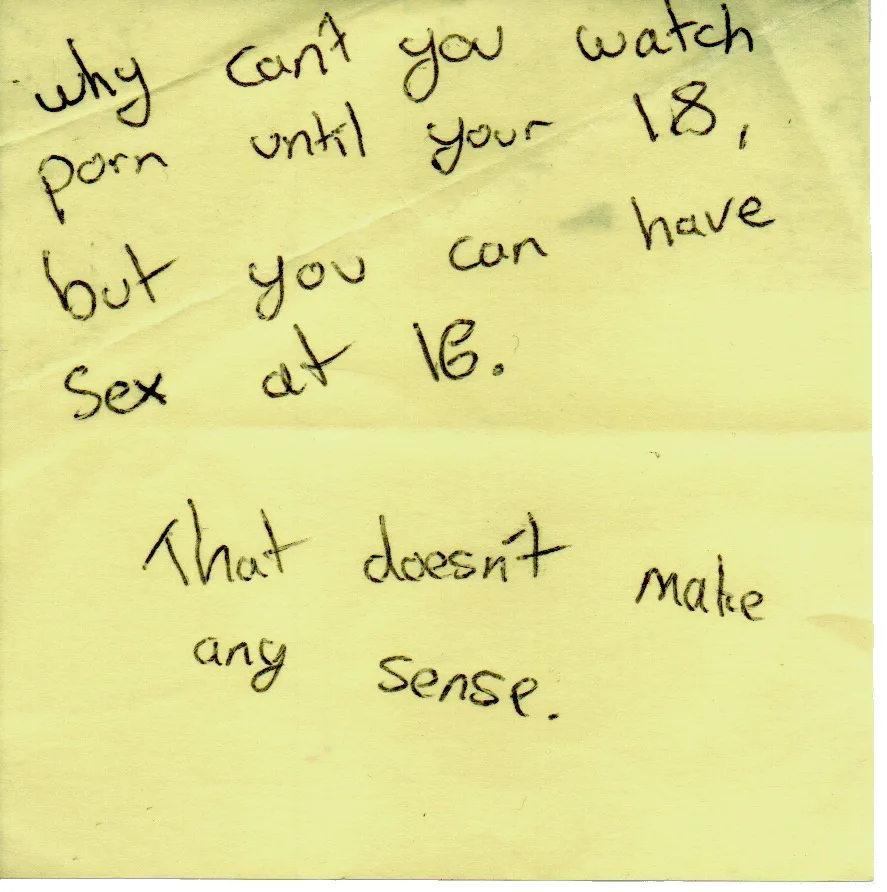
Why can't you watch porn until you're 18 but you can have sex at 16?
Read the answer -
 Relationships
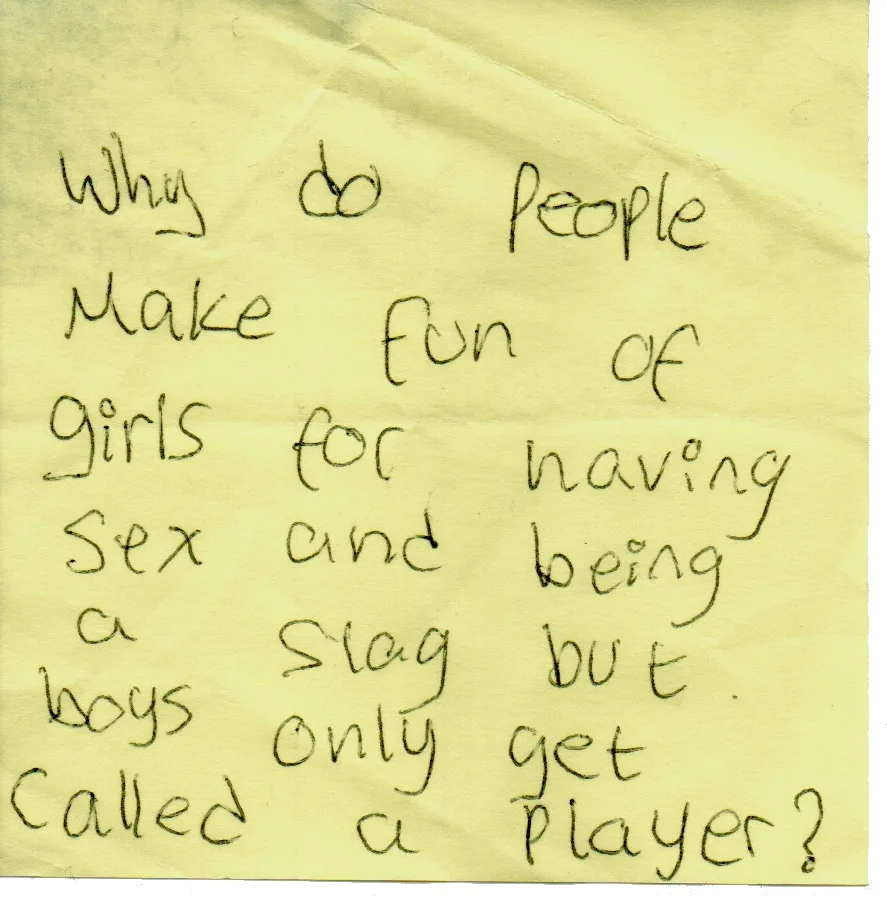
Why do people make fun of girls for having sex and being a slag but boys only get called a player?
Read the answer


Bring Masculinity and misogyny into your school
Expert-led RSE sessions delivered directly to your students, or training for your staff to deliver with confidence.
Explore RSE delivery