
Puberty
Overview
Our teaching on gives young people the information and reassurance they need for one of the most confusing times in their lives.
The ground this topic covers is wide: , body hair, voice changes, breast development, , , wet dreams — all taught openly and without embarrassment. We talk about and what they do to your mood, your skin, your sleep, and your sense of self. And we make space for the emotional side: the mood swings nobody warns you about, the self-consciousness, the feeling that your body is doing things you didn't agree to.
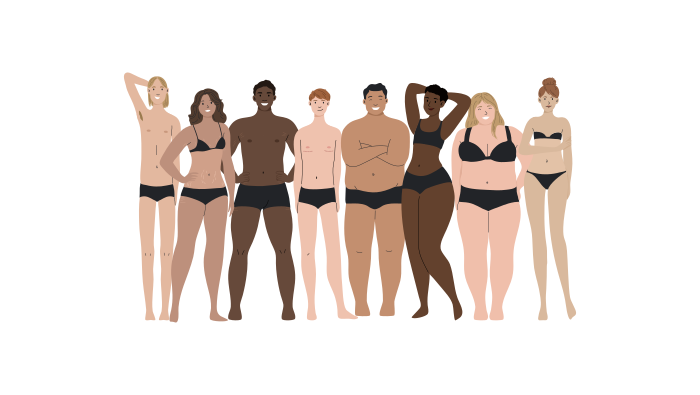
Every young person goes through puberty differently — different timing, different pace, different experience. Whether a session is focused on preparing Year 5s for what's ahead or supporting Year 8s who are right in the middle of it, we normalise that range. We help young people understand that starting early or starting late doesn't mean something is wrong. That everyone's body has its own schedule. And that the things happening to them are normal, even when they feel anything but.
Key learning outcomes
By the end of lessons on this topic, students will:
- Understand the physical changes that happen during puberty for all bodies
- Recognise the emotional and psychological changes that accompany puberty
- Learn about , erections, wet dreams, and other specific changes with accurate, shame-free information
- Develop practical knowledge about hygiene and self-care during puberty
- Build empathy for peers who are developing at different rates
- Challenge myths and misinformation about puberty that circulate among young people
- Know where to go with questions or concerns about their own development
Why teaching about puberty matters
For a Year 6 girl terrified she'll start her period at school with no warning, or a Year 7 boy who doesn't understand why he's getting erections in the middle of maths — puberty education isn't optional. It's urgent.
Without good puberty education, young people fill the gaps themselves — from playground whispers, older siblings, and panicked Google searches. We can do better than that. Good puberty education doesn't just inform — it reassures. It tells young people: this is normal, you're not alone, and here's what you need to know.
Curriculum alignment
This topic addresses 6 requirements from the DfE statutory RSE guidance and 8 learning outcomes from the PSHE Association Programme of Study , across KS1, KS2, KS3, KS4, KS5.
View all curriculum references
DfE RSE Statutory Guidance 2026
- "About growth and other ways the body can change and develop, particularly during adolescence. This topic should include the human lifecycle, and puberty should be discussed as a stage in this process" Health Education: Developing bodies, 1 · KS1, KS2
- "About menstrual and gynaecological health, including what is an average period, period problems such as premenstrual syndrome, heavy menstrual bleeding, endometriosis, and polycystic ovary syndrome (PCOS)" Secondary Health: Developing bodies, 3 · KS3, KS4
- "The correct names of body parts, including the penis, vulva, vagina, testicles, scrotum, nipples. Pupils should understand that all of these parts of the body are private" Health Education: Developing bodies, 2 · KS1, KS2
- "The facts about puberty, the changing adolescent body, including brain development" Secondary Health: Developing bodies, 2 · KS3, KS4
- "The facts about the menstrual cycle, including physical and emotional changes, whilst the average age of the onset of menstruation is twelve, periods can start at eight" Health Education: Developing bodies, 3 · KS1, KS2
- "The main changes which take place in males and females, and the implications for emotional and physical health" Secondary Health: Developing bodies, 1 · KS3, KS4
PSHE Association Programme of Study 2020
- "About how hygiene routines change during the time of puberty, the importance of keeping clean and how to maintain personal hygiene" KS1-2 Core Theme 1: Health and Wellbeing, H32 · KS1, KS2
- "About the physical and emotional changes that happen when approaching and during puberty (including menstruation, key facts about the menstrual cycle and menstrual wellbeing, erections and wet dreams)" KS1-2 Core Theme 1: Health and Wellbeing, H31 · KS1, KS2
- "How different media portray idealised and artificial body shapes; how this influences body satisfaction and body image and how to critically appraise what they see and manage feelings about this" KS4 Core Theme 1: Health and Wellbeing, H3 · KS4
- "Strategies to manage the physical and mental changes that are a typical part of growing up, including puberty and menstrual wellbeing" KS3 Core Theme 1: Health and Wellbeing, H34 · KS3
- "The impact that media and social media can have on how people think about themselves and express themselves, including regarding body image, physical and mental health" KS3 Core Theme 1: Health and Wellbeing, H3 · KS3
- "To identify the external genitalia and internal reproductive organs in males and females and how the process of puberty relates to human reproduction" KS1-2 Core Theme 1: Health and Wellbeing, H30 · KS1, KS2
- "To recognise how idealised images of bodies and pressure to conform can adversely affect body image and self-esteem; strategies to manage this pressure" KS5 Core Theme 1: Health and Wellbeing, H2 · KS5
- "To recognise that feelings can change over time and range in intensity" KS1-2 Core Theme 1: Health and Wellbeing, H17 · KS1, KS2
Explore ready-made lessons on Puberty
Browse expert-written RSE lessons in the Tailor library, ready to use with your students.
Questions young people ask about Puberty
-
 Sex
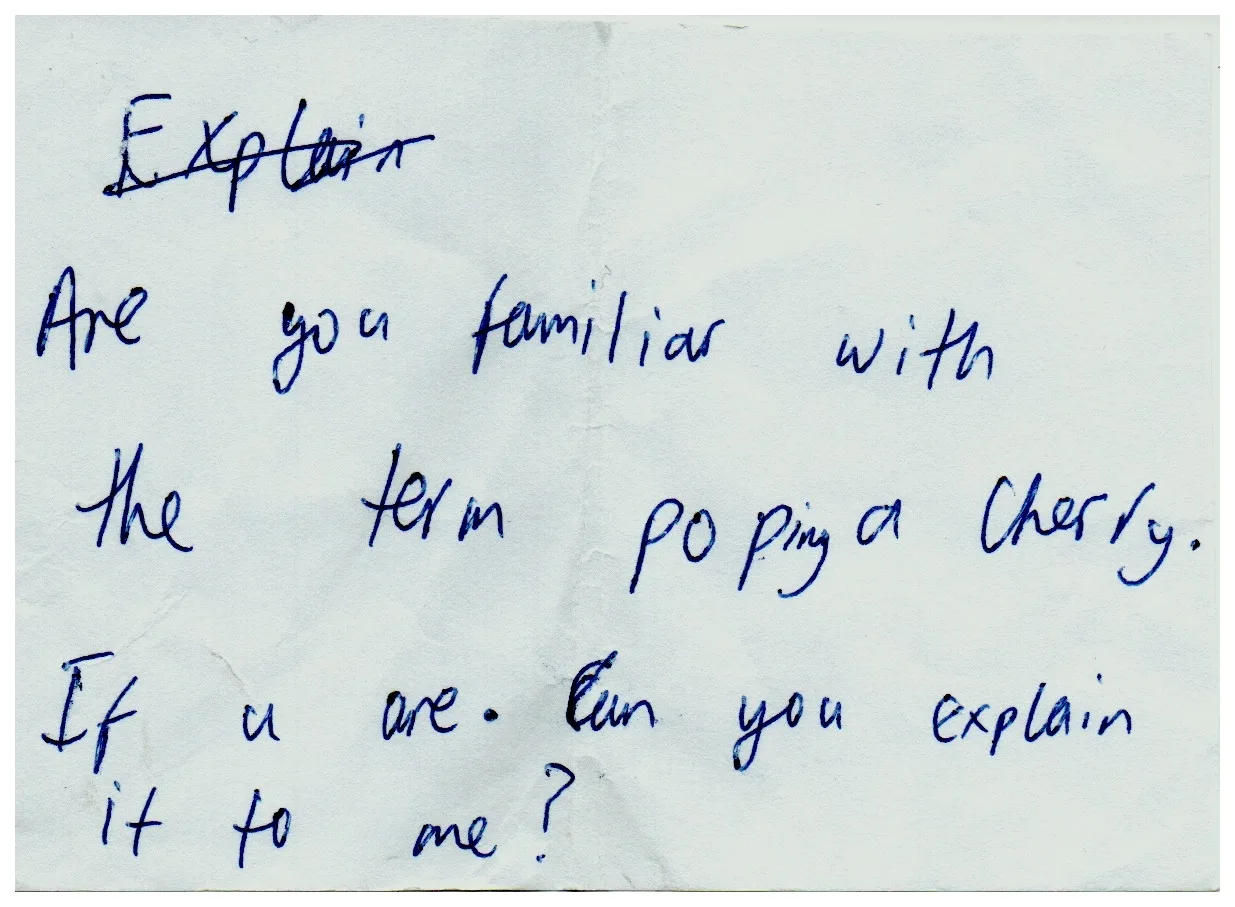
SexAre you familiar with the term 'popping a cherry'? If so, can you explain it to me?
Read the answer -
 Sex
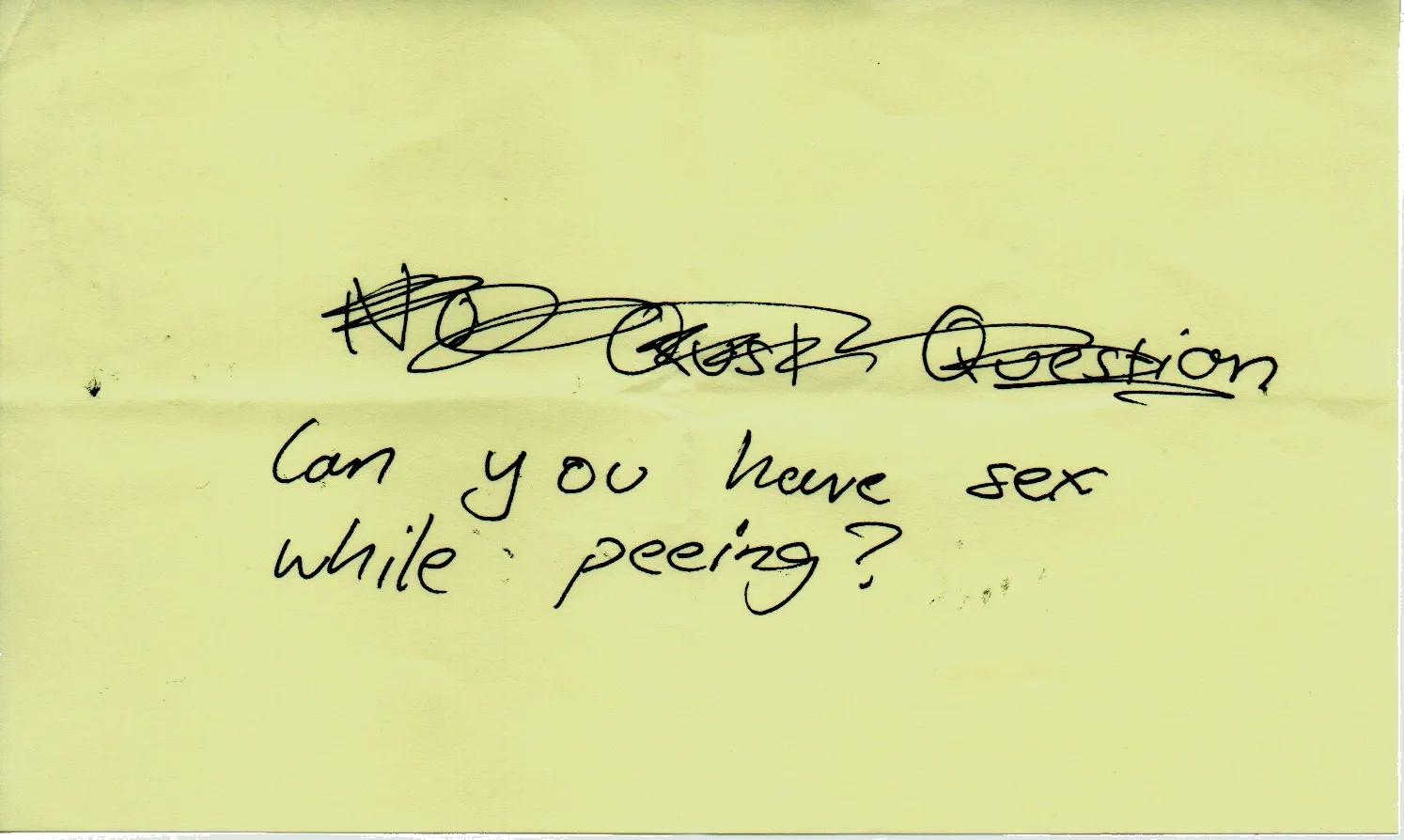
SexCan you have sex while peeing?
Read the answer -
 Anatomy
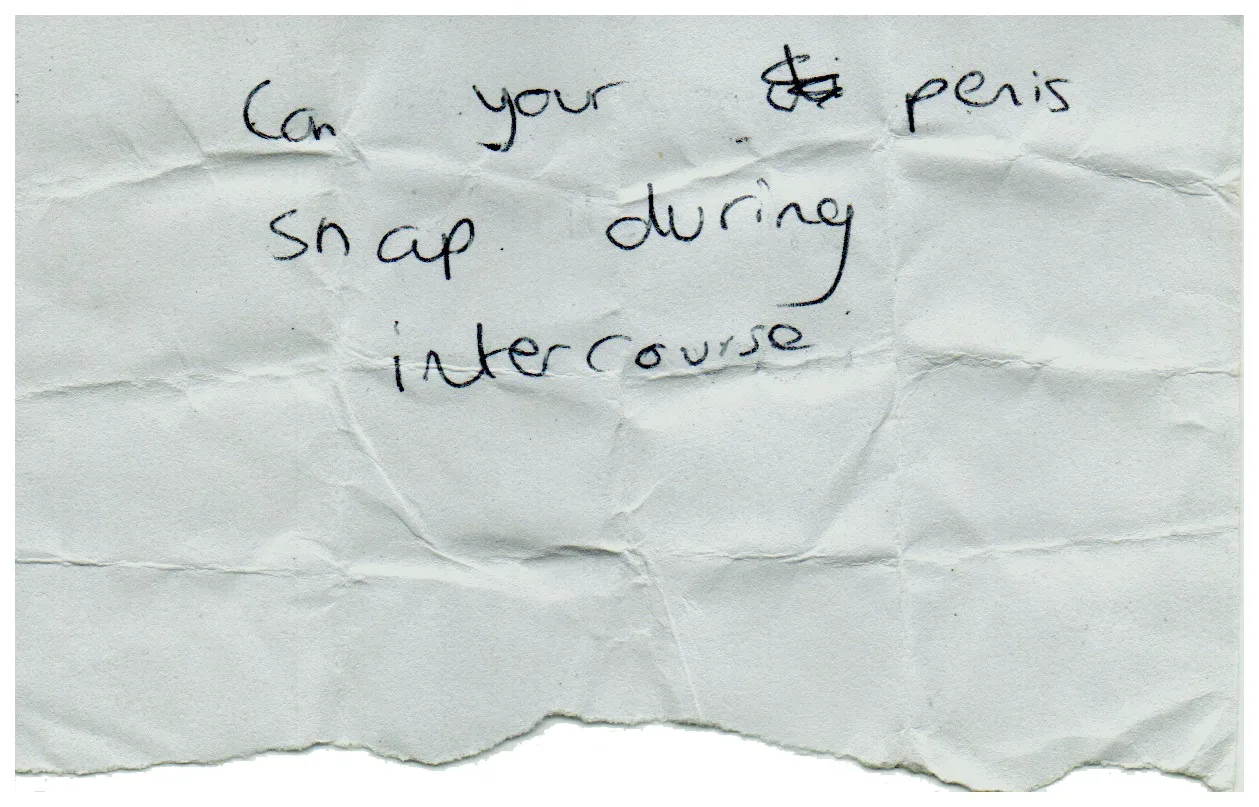
Can your penis snap during intercourse?
Read the answer -
 Sex
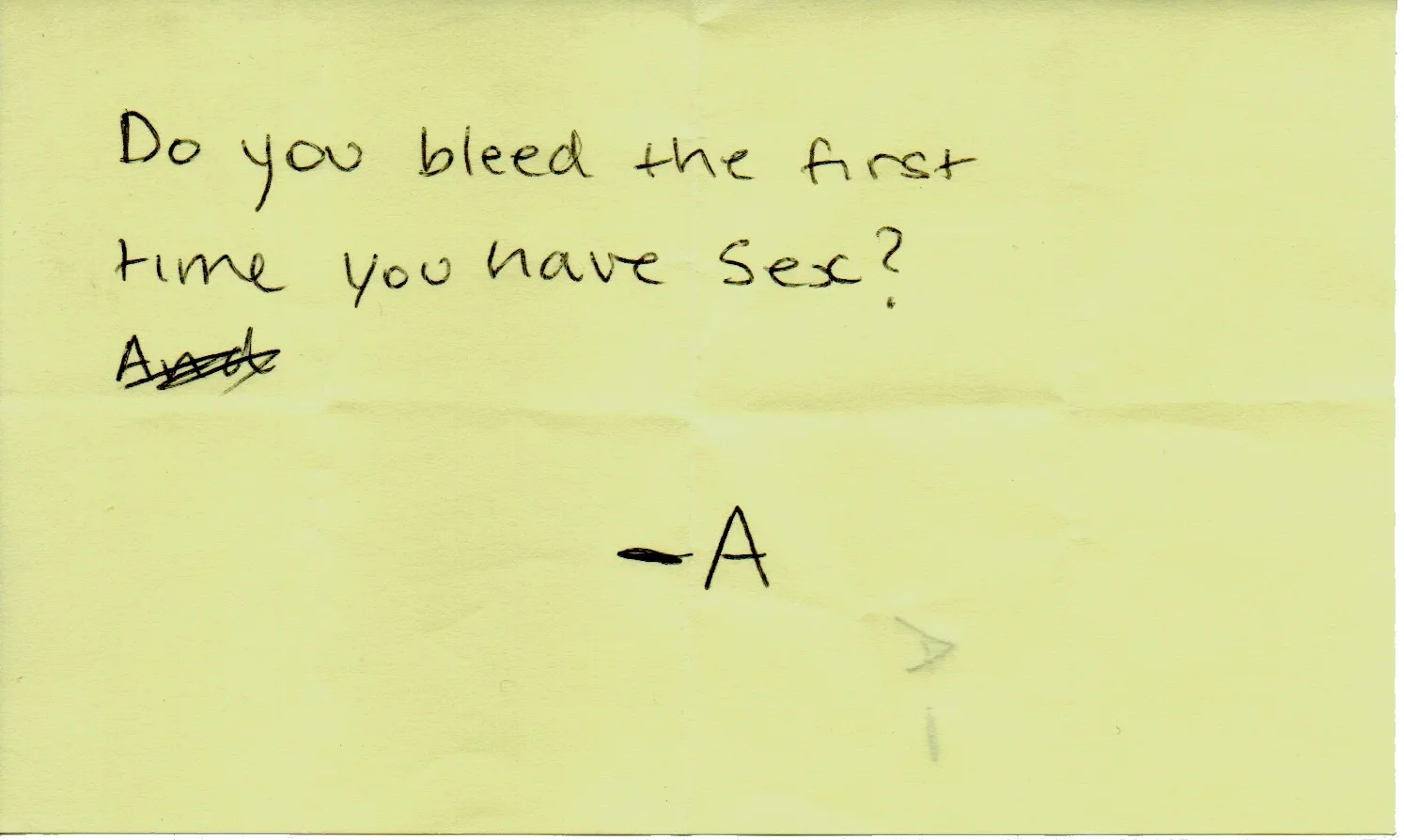
SexDo you bleed the first time you have sex?
Read the answer -
 Anatomy
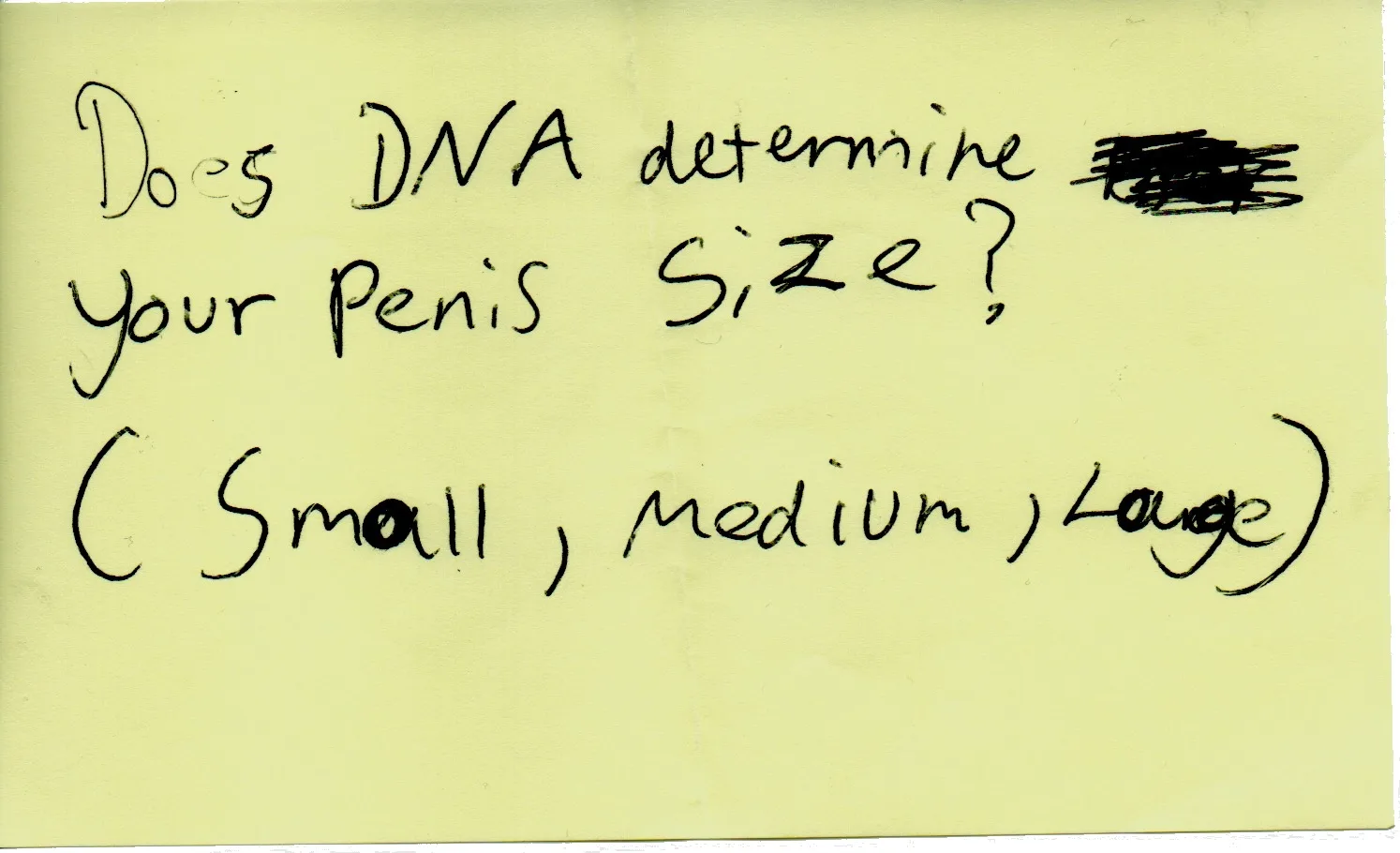
Does DNA determine your penis size?
Read the answer -
 Sex
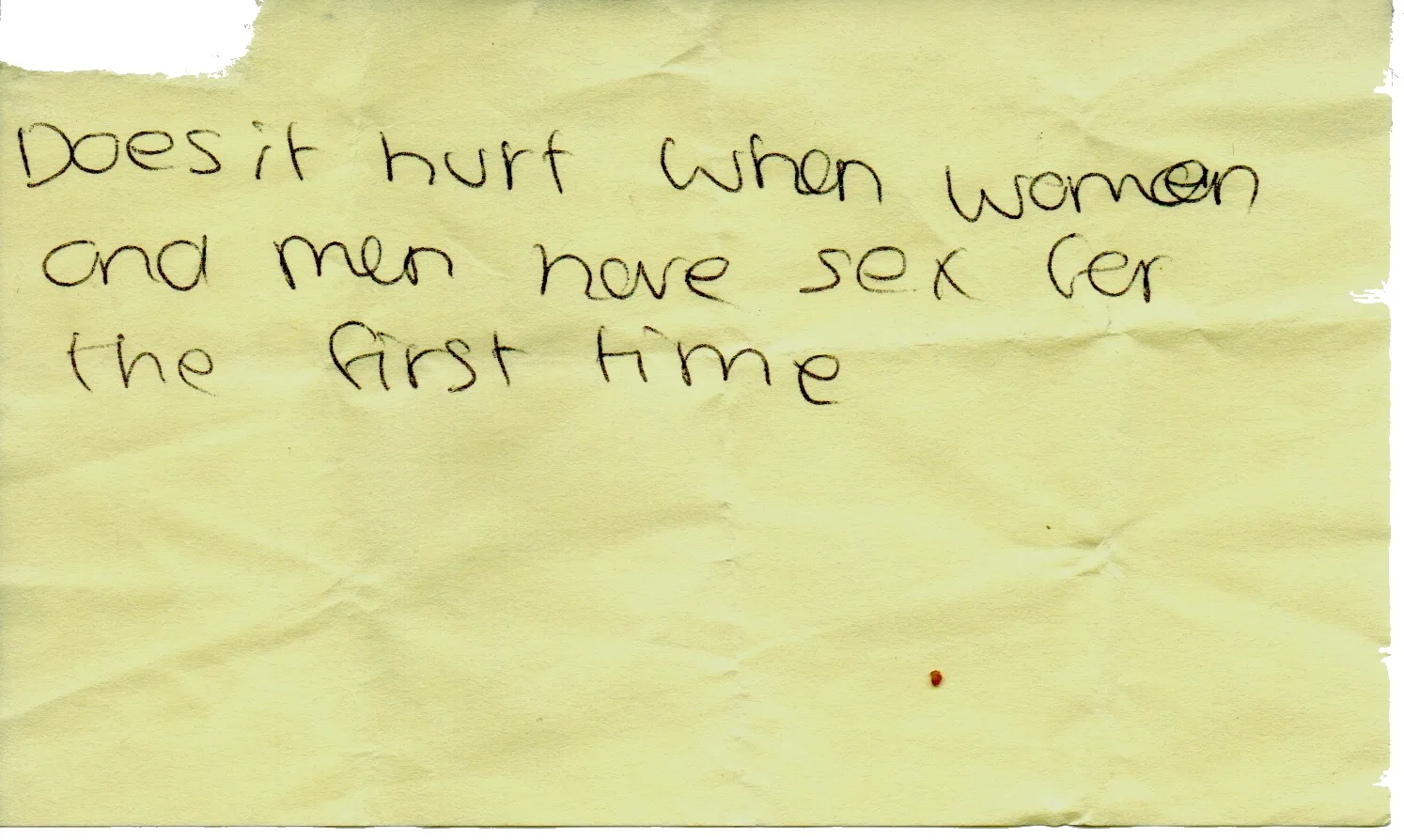
SexDoes it hurt when women and men have sex for the first time?
Read the answer
Bring Puberty into your school
Expert-led RSE sessions delivered directly to your students, or training for your staff to deliver with confidence.
RSE training