

Gender stereotypes and discrimination
Overview
Our teaching on gender stereotypes and discrimination helps young people see the boxes society puts them in — and gives them permission to step out.
We start early, because stereotyping starts early. By the age of five, children already have fixed ideas about what boys and girls are "supposed" to like, do, and be. At secondary level, this broadens into discrimination, bias, equality, and rights — how stereotypes affect career aspirations, relationships, mental health, and self-expression.
This topic takes in everything from challenging assumptions about "boys' toys" and "girls' colours" in primary, through to the Equality Act, protected characteristics, and structural inequality at KS4. And it makes space for identity in its fullest sense: who you are, how you express it, and what happens when the world tries to narrow that down.
Key learning outcomes
By the end of lessons on this topic, students will:
- Recognise how gender stereotypes are formed and reinforced from an early age
- Understand how stereotyping limits opportunities, aspirations, and self-expression for all genders
- Explore the concepts of discrimination, bias, and fairness in everyday contexts
- Learn about protected characteristics and the legal framework of equality in the UK
- Develop the confidence to challenge sexist language, assumptions, and behaviours
- Understand the connection between stereotypes and broader issues like pay inequality, , and mental health
- Celebrate the things that make each person unique, rather than conforming to narrow expectations
Why teaching about gender stereotypes and discrimination matters
Gender stereotypes are not harmless. They shape what children believe they can achieve, who they think they're allowed to be, and how they treat others. A boy who's told "boys don't cry" becomes a man who can't express grief. A girl who's told to be "nice" learns to silence her anger.
These sessions don't just benefit the children who feel constrained by gender norms. They benefit everyone — because a school where stereotypes go unchallenged is a school where some voices are louder than others, and that's not equality.
Curriculum alignment
This topic addresses 12 requirements from the DfE statutory RSE guidance and 12 learning outcomes from the PSHE Association Programme of Study , across KS1, KS2, KS3, KS4, KS5.
View all curriculum references
DfE RSE Statutory Guidance 2026
- "How stereotypes, in particular stereotypes based on sex, gender reassignment, race, religion, sexual orientation or disability, can cause damage (e.g. how they might normalise non-consensual behaviour or encourage prejudice)" Secondary RSE: Respectful relationships, 9 · KS3, KS4
- "How to consider the impact of their online behaviour on others, and how to recognise and display respectful behaviour online" Health Education: Wellbeing online, 4 · KS1, KS2
- "How to evaluate their impact on other people and treat others with kindness and respect, including in public spaces and including strangers. That everyone is unique and equal" Secondary RSE: Respectful relationships, 2 · KS3, KS4
- "How to pay attention to the needs and preferences of others, including in families and friendships" Relationships Education: Respectful kind relationships, 1 · KS1, KS2
- "That people should be respectful in online interactions, and that the same principles apply to online relationships as to face-to-face relationships, including where people are anonymous" Relationships Education: Online safety and awareness, 1 · KS1, KS2
- "That the families of other children sometimes look different from their family, but that they should respect those differences and know that other children's families are also characterised by love and care" Relationships Education: Families and people who care for me, 3 · KS1, KS2
- "That they can expect to be treated with respect by others, and the importance of respecting others, including those who are different or make different choices or have different preferences or beliefs" Relationships Education: Respectful kind relationships, 5 · KS1, KS2
- "The conventions of courtesy and manners" Relationships Education: Respectful kind relationships, 7 · KS1, KS2
- "The importance of self-esteem, independence and having a positive relationship with oneself, and how these characteristics support healthy relationships with others" Secondary RSE: Respectful relationships, 3 · KS3, KS4
- "The practical steps pupils can take and skills they can develop to support respectful and kind relationships, including skills for communicating respectfully within relationships and with strangers, including in situations of conflict" Secondary RSE: Respectful relationships, 5 · KS3, KS4
- "What a stereotype is, how stereotypes can be unfair, negative, destructive or lead to bullying and how to challenge a stereotype" Relationships Education: Respectful kind relationships, 10 · KS1, KS2
- "What tolerance requires, including the importance of tolerance of other people's beliefs" Secondary RSE: Respectful relationships, 4 · KS3, KS4
PSHE Association Programme of Study 2020
- "About personal identity; what contributes to who we are (e.g. ethnicity, family, gender, faith, culture, hobbies, likes/dislikes)" KS1-2 Core Theme 1: Health and Wellbeing, H25 · KS1, KS2
- "About the unacceptability of prejudice-based language and behaviour, offline and online, including sexism, homophobia, biphobia, transphobia, racism, ableism and faith-based prejudice" KS3 Core Theme 2: Relationships, R40 · KS3
- "How to recognise, respect and, if appropriate, challenge the ways different faith or cultural views influence relationships" KS5 Core Theme 2: Relationships, R3 · KS5
- "How we are all unique; that recognising and demonstrating personal strengths build self-confidence, self-esteem and good health and wellbeing" KS3 Core Theme 1: Health and Wellbeing, H1 · KS3
- "The impact of stereotyping, prejudice and discrimination on individuals and relationships" KS3 Core Theme 2: Relationships, R39 · KS3
- "The legal rights, responsibilities and protections provided by the Equality Act 2010" KS4 Core Theme 2: Relationships, R5 · KS4
- "The need to promote inclusion and challenge discrimination, and how to do so safely, including online" KS3 Core Theme 2: Relationships, R41 · KS3
- "To evaluate expectations about gender roles, behaviour and intimacy within romantic relationships" KS3 Core Theme 2: Relationships, R11 · KS3
- "To recognise and challenge prejudice and discrimination and understand rights and responsibilities with regard to inclusion" KS5 Core Theme 2: Relationships, R2 · KS5
- "To recognise the ways in which we are all unique" KS1 Core Theme 1: Health and Wellbeing, H22 · KS1, KS2
- "To recognise what makes them special" KS1 Core Theme 1: Health and Wellbeing, H21 · KS1, KS2
- "Ways to celebrate cultural diversity, promote inclusion and safely challenge prejudice and discrimination" KS5 Core Theme 2: Relationships, R25 · KS5
Explore ready-made lessons on Gender stereotypes and discrimination
Browse expert-written RSE lessons in the Tailor library, ready to use with your students.
Questions young people ask about Gender stereotypes and discrimination
-
 Sexual Health
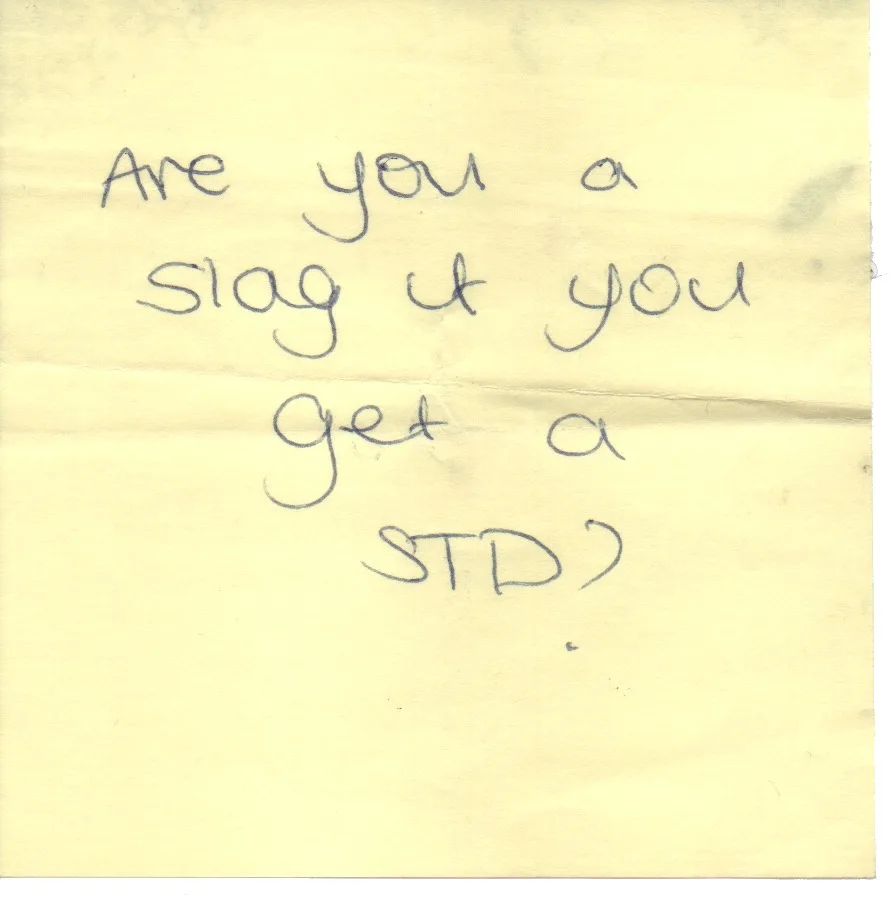
Are you a slag if you get an STD?
Read the answer -
 Sex & the Law
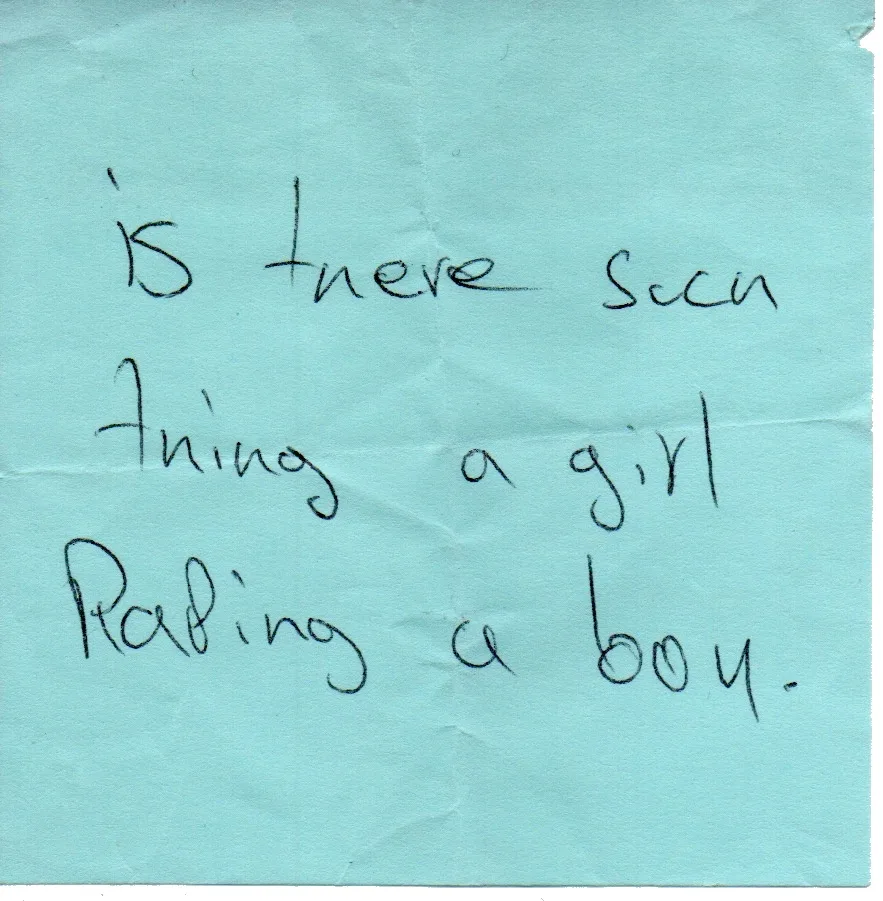
Is there such thing as a girl raping a boy?
Read the answer -
 Relationships
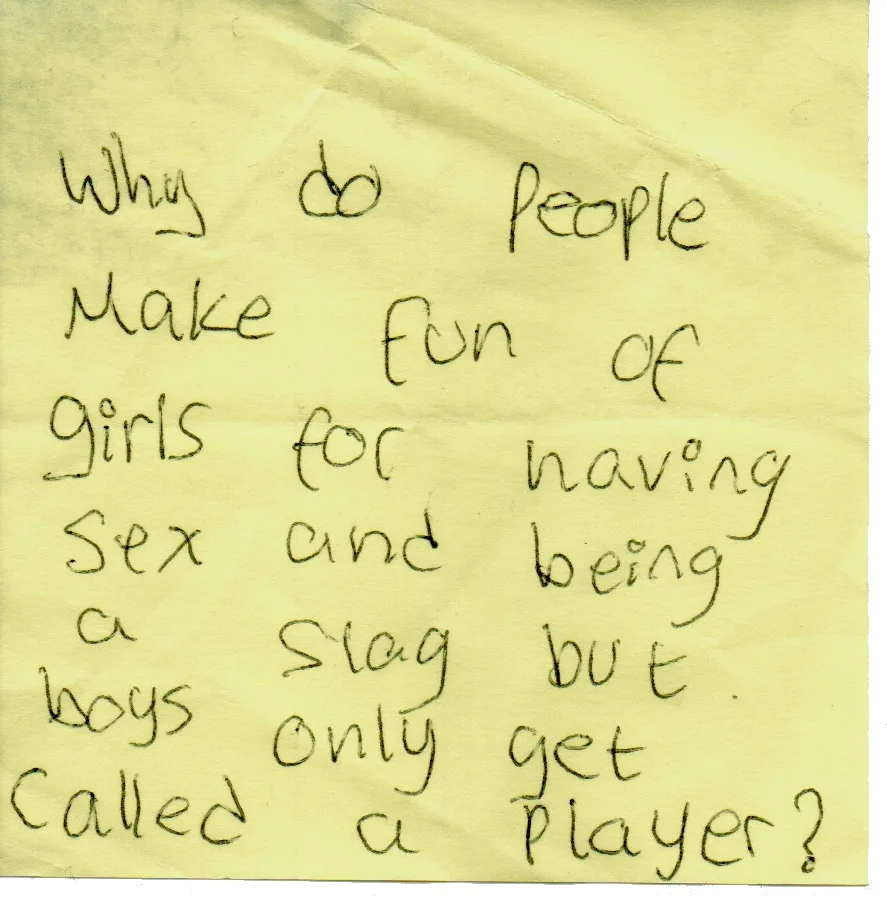
Why do people make fun of girls for having sex and being a slag but boys only get called a player?
Read the answer -
 Relationships
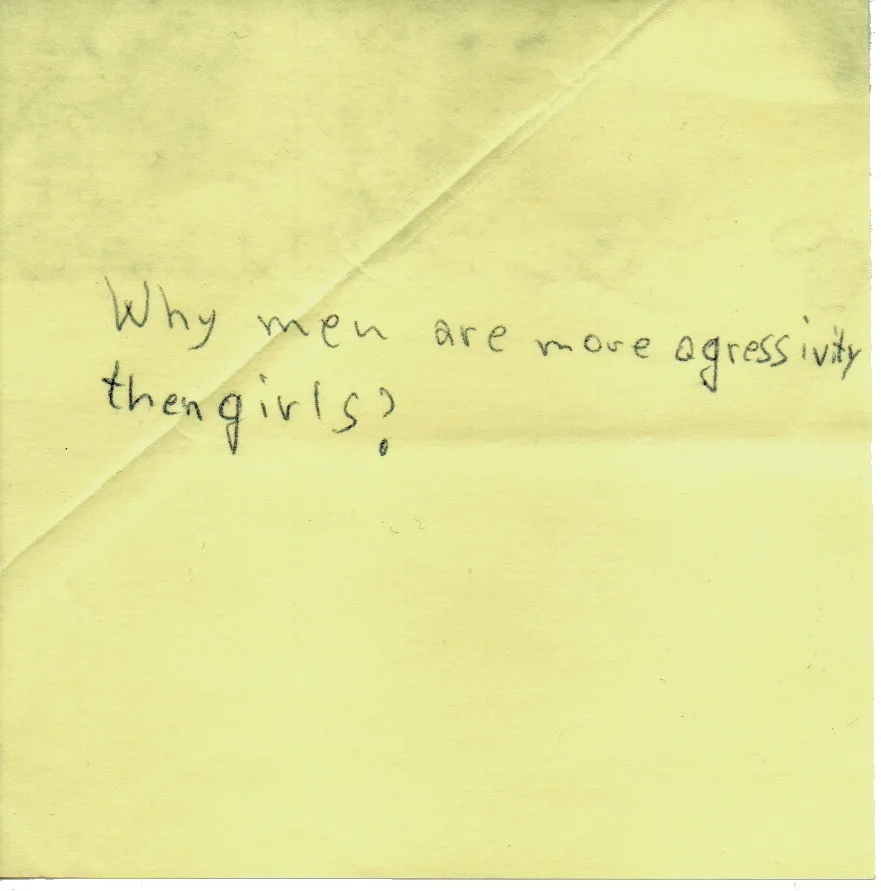
Why men are more agressive than girls?
Read the answer

Bring Gender stereotypes and discrimination into your school
Expert-led RSE sessions delivered directly to your students, or training for your staff to deliver with confidence.
RSE training