
Pregnancy and reproductive health
Overview
Our teaching on and reproductive health covers the full picture — from how pregnancy happens, to , to the choices people face when a pregnancy occurs.
We teach the biology clearly: conception, foetal development, and the changes that happen during pregnancy. But we also take in the wider context. What are the options when someone becomes unexpectedly? What does fertility mean, and why does it matter to understand it early? What about miscarriage, fertility treatment, and the emotional dimensions of reproductive health?
For younger students, this might start with age-appropriate understanding of how babies are made and how bodies work. For older students, it might mean an honest exploration of pregnancy choices — continuing a pregnancy, adoption, and — handled with care, accuracy, and without moral pressure.
Key learning outcomes
By the end of lessons on this topic, students will:
- Understand how conception and pregnancy happen
- Know the signs of pregnancy and how to access
- Explore the options available when someone becomes pregnant, including continuing the pregnancy, adoption, and abortion
- Understand fertility and the factors that can affect it
- Recognise the emotional and physical impact of pregnancy, miscarriage, and pregnancy loss
- Know where to access support and advice around reproductive health
- Develop empathy and understanding for the range of experiences people have around pregnancy
Why teaching about pregnancy and reproductive health matters
Reproductive health is one of the most significant aspects of a person's life. Understanding fertility, knowing the options, processing pregnancy loss, separating myth from fact — this is knowledge that empowers young people to understand their bodies, plan their futures, and support others through experiences that are deeply personal and often poorly understood.
Curriculum alignment
This topic addresses 4 requirements from the DfE statutory RSE guidance and 7 learning outcomes from the PSHE Association Programme of Study , across KS1, KS2, KS3, KS4, KS5.
View all curriculum references
DfE RSE Statutory Guidance 2026
- "That there are choices in relation to pregnancy, including keeping the baby, adoption, abortion and where to get further help" Secondary RSE: Intimate and sexual relationships, 7 · KS3, KS4
- "The correct names of body parts, including the penis, vulva, vagina, testicles, scrotum, nipples. Pupils should understand that all of these parts of the body are private" Health Education: Developing bodies, 2 · KS1, KS2
- "The facts about reproductive health, including fertility and menopause, and the potential impact of lifestyle on fertility for men and women" Secondary Health: Developing bodies, 4 · KS3, KS4
- "The importance of healthy behaviours before and during pregnancy, including the importance of pre-conception health, taking folic acid, pelvic floor health, information on miscarriage and pregnancy loss, and how to access care and support" Secondary Health: Health protection and prevention, 7 · KS3, KS4
PSHE Association Programme of Study 2020
- "About choices and support available in the event of an unplanned pregnancy, and how to access appropriate help and advice" KS4 Core Theme 1: Health and Wellbeing, H33 · KS4
- "About the current legal position on abortion and the range of beliefs and opinions about it" KS4 Core Theme 2: Relationships, R27 · KS4
- "About the processes of reproduction and birth as part of the human life cycle; how babies are conceived and born (and that there are ways to prevent a baby being made)" KS1-2 Core Theme 1: Health and Wellbeing, H33 · KS1, KS2
- "That fertility can vary in all people, changes over time (including menopause) and can be affected by STIs and other lifestyle factors" KS4 Core Theme 1: Health and Wellbeing, H31 · KS4
- "The consequences of unintended pregnancy, sources of support and the options available" KS3 Core Theme 2: Relationships, R34 · KS3
- "To identify the external genitalia and internal reproductive organs in males and females and how the process of puberty relates to human reproduction" KS1-2 Core Theme 1: Health and Wellbeing, H30 · KS1, KS2
- "To understand the implications of unintended pregnancy and young parenthood; to recognise the advantages of delaying conception, whilst acknowledging the changes in fertility with age" KS5 Core Theme 2: Relationships, R14 · KS5
Explore ready-made lessons on Pregnancy and reproductive health
Browse expert-written RSE lessons in the Tailor library, ready to use with your students.
Questions young people ask about Pregnancy and reproductive health
-
 Contraception & Pregnancy
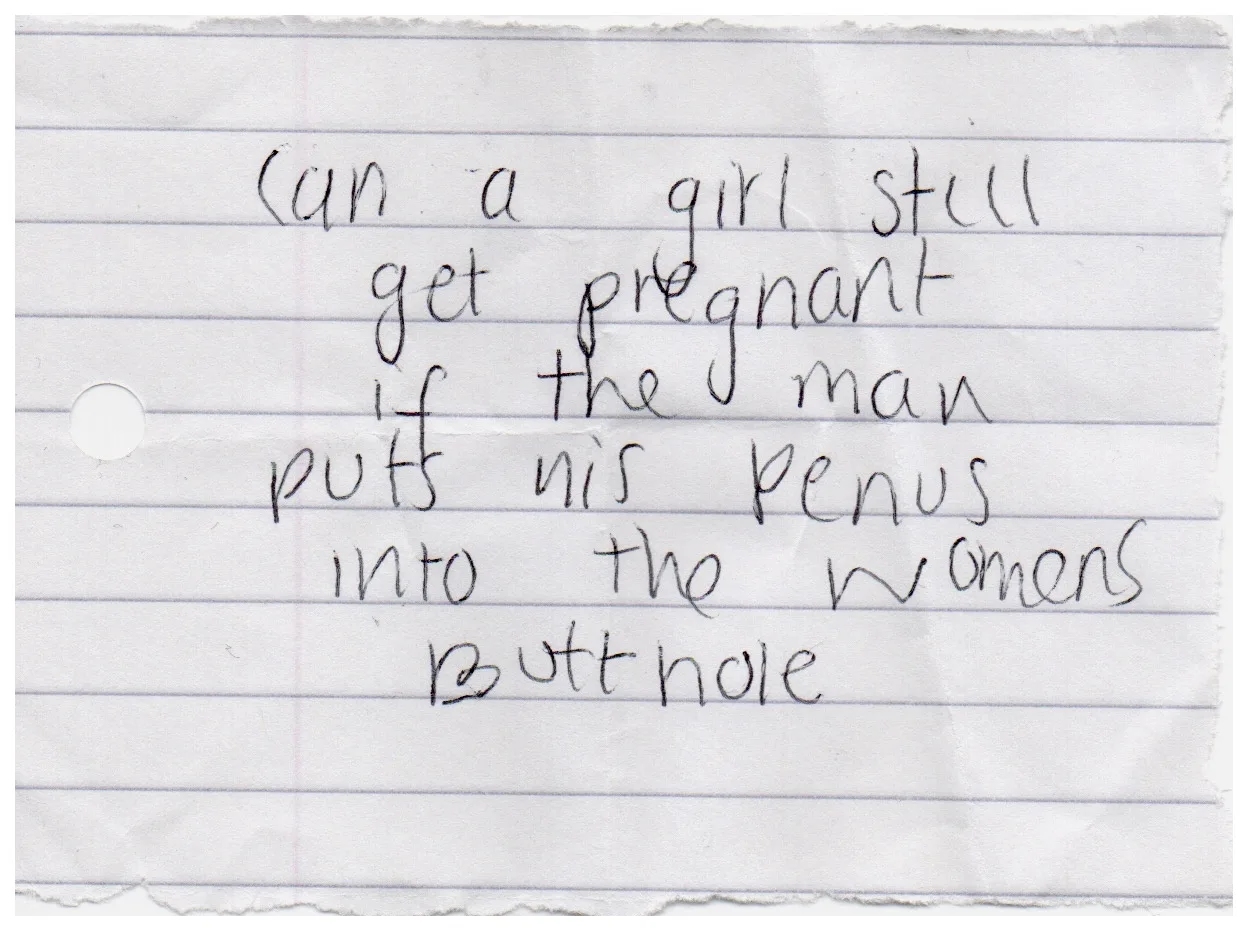
Can a girl still get pregnant if the man puts his penis into the womens butthole?
Read the answer -
 Contraception & Pregnancy
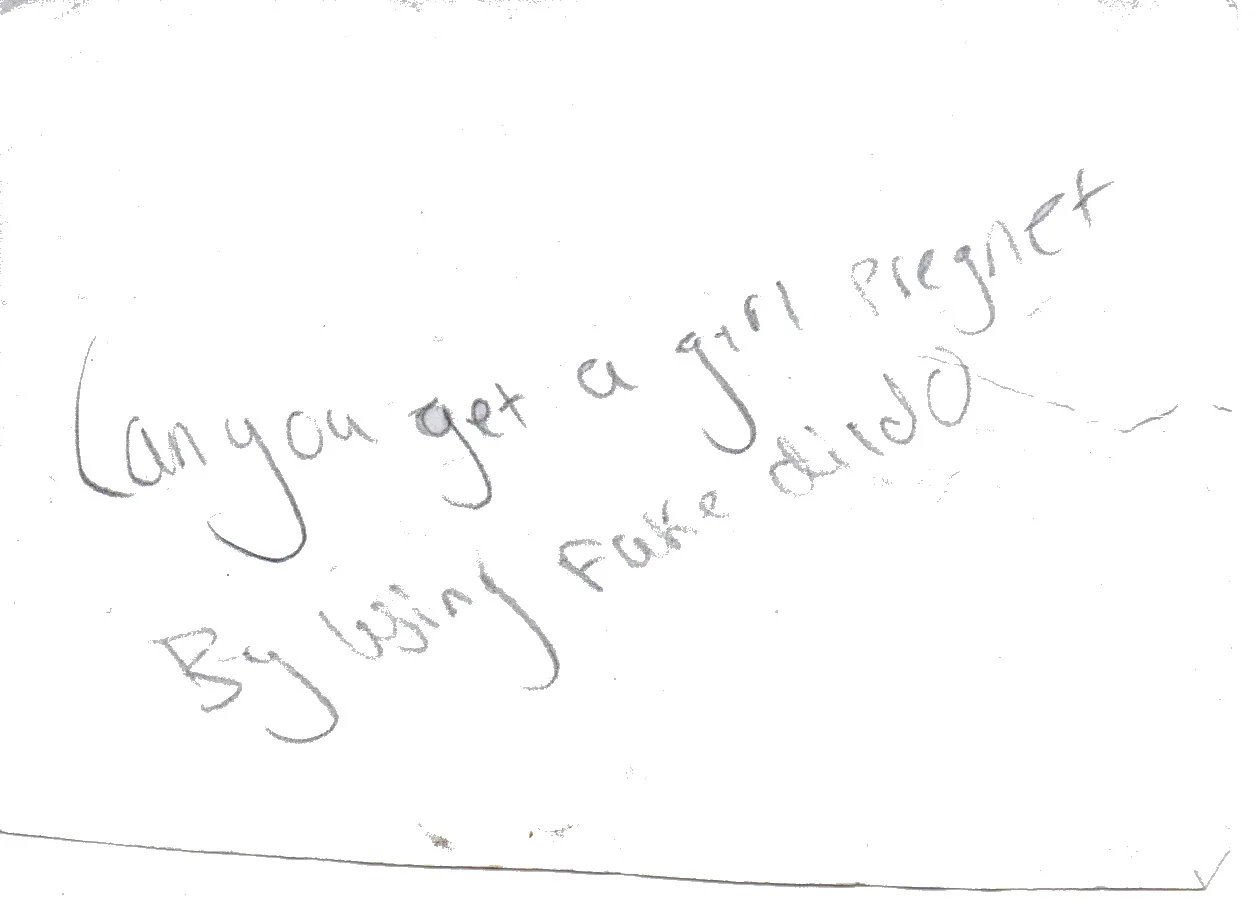
Can you get a girl pregnant by using a fake dildo?
Read the answer -
 Contraception & Pregnancy
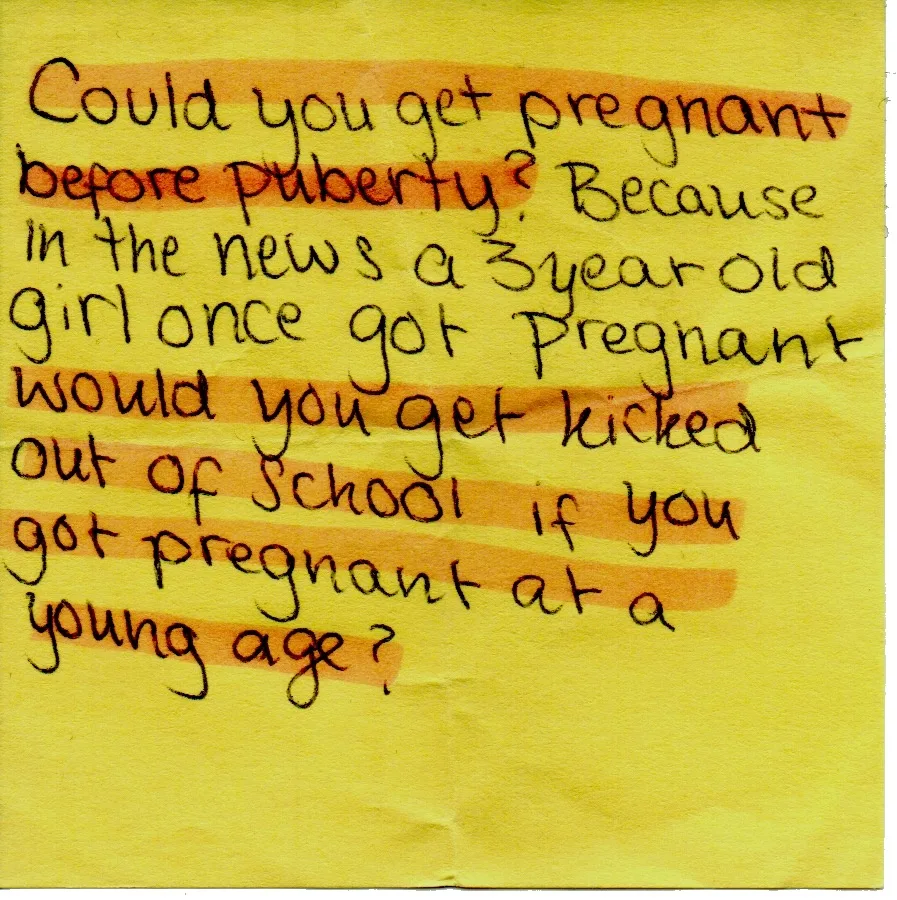
Can you get pregnant before puberty?
Read the answer -
 Contraception & Pregnancy
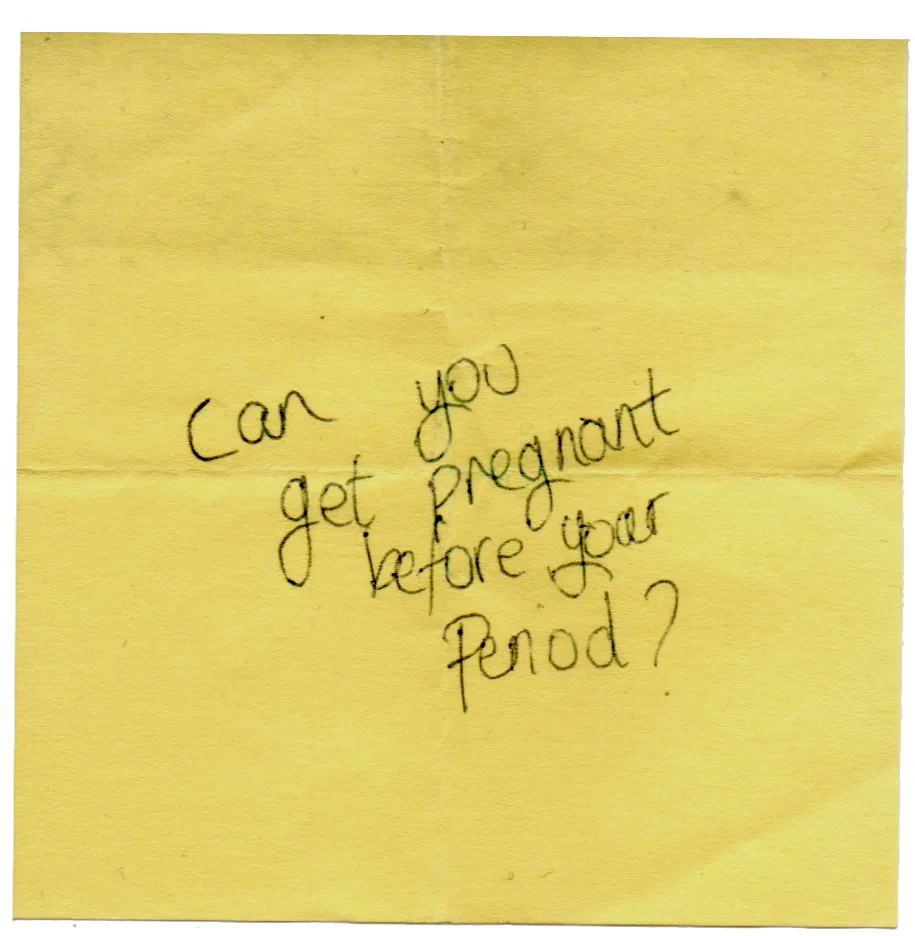
Can you get pregnant before your period?
Read the answer -
 Contraception & Pregnancy
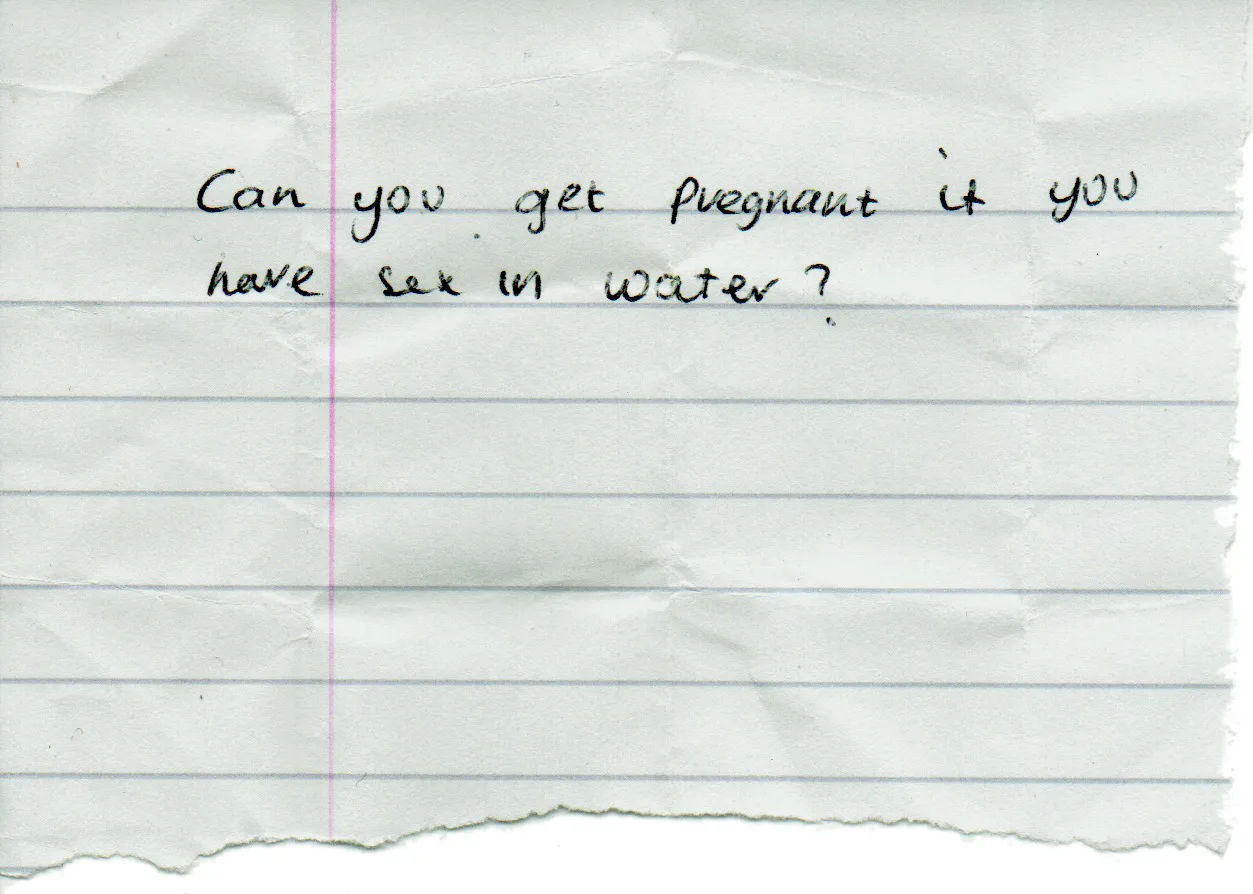
Can you get pregnant if you have sex in water?
Read the answer -
 Contraception & Pregnancy
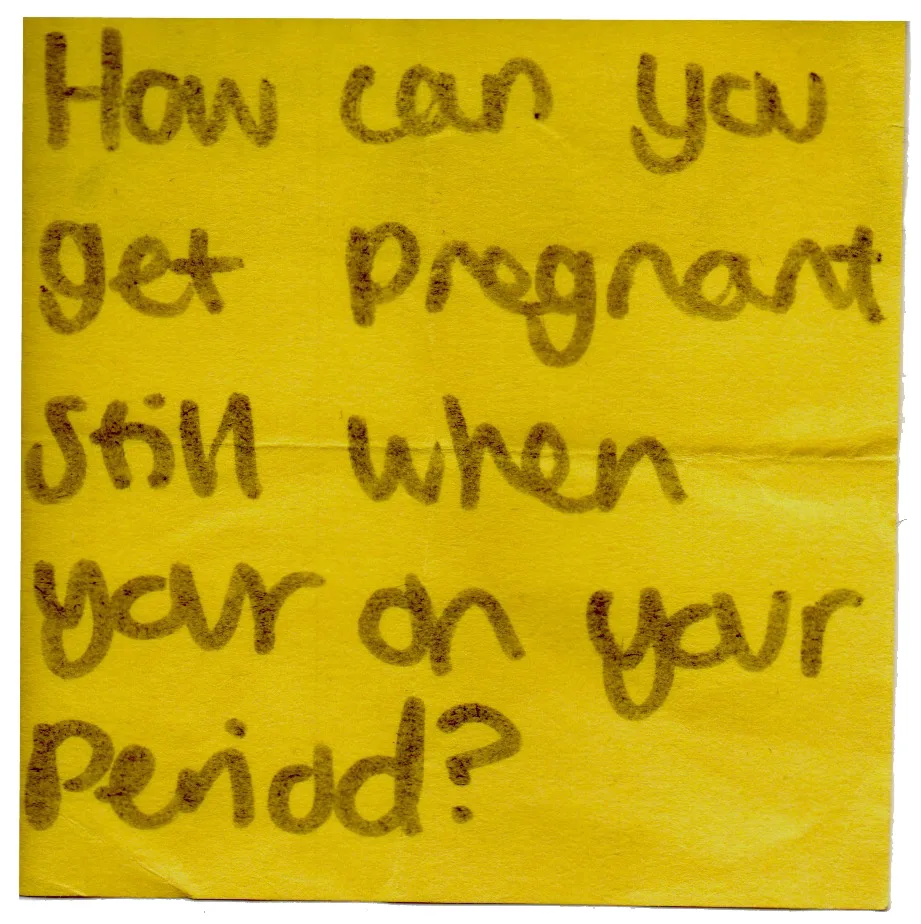
How can you get pregnant still when you're on your period?
Read the answer

Bring Pregnancy and reproductive health into your school
Expert-led RSE sessions delivered directly to your students, or training for your staff to deliver with confidence.
RSE training