
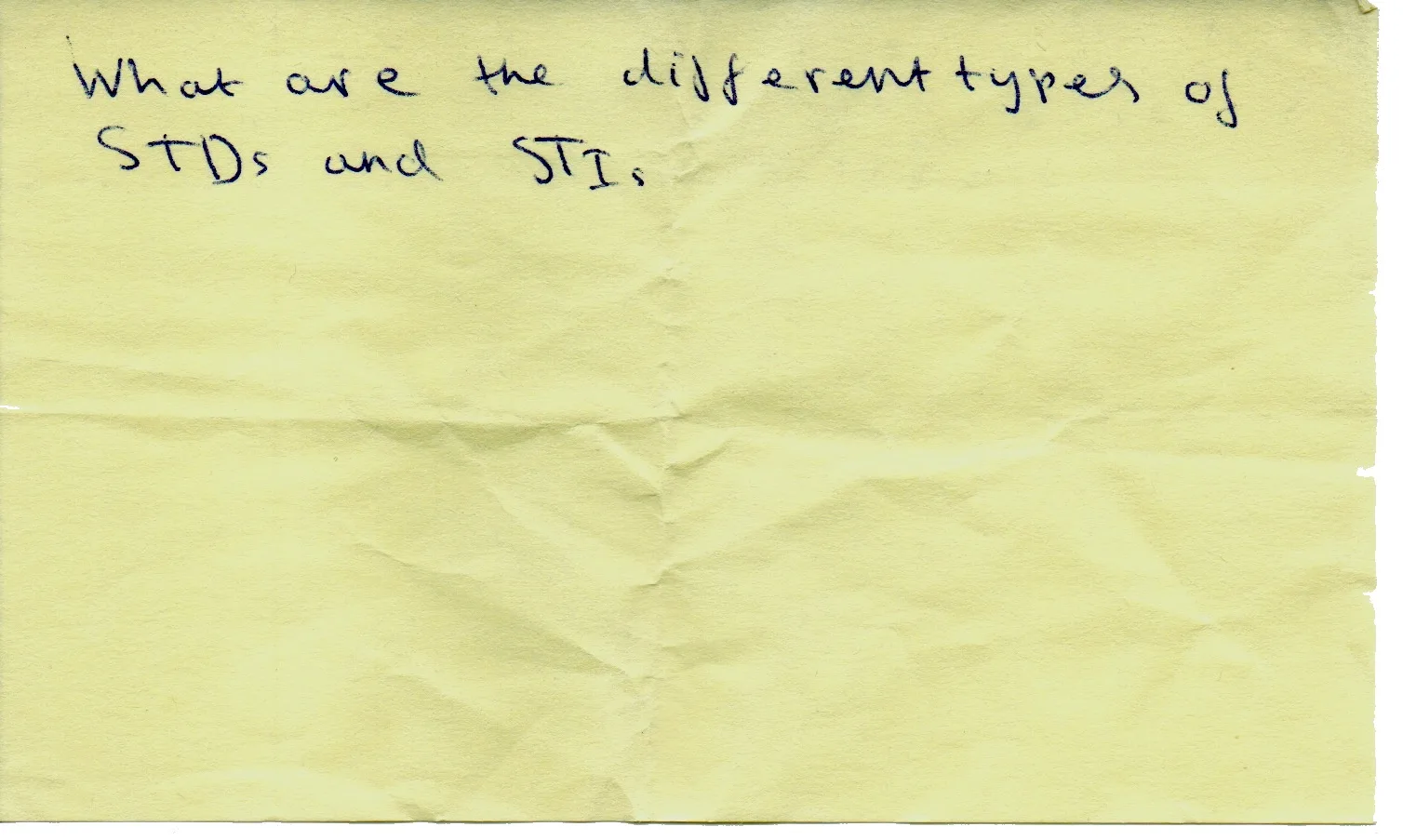
What are the different types of STI?
There are quite a few different , but the ones you're most likely to hear about in the UK are , , , , , , and .
They fall into two main groups: bacterial and viral. The difference matters because it affects whether they can be cured.
Bacterial STIs (like chlamydia, gonorrhoea, and syphilis) can be cured with antibiotics. You take the treatment, the infection clears up, and it's gone. These are also among the most common, especially chlamydia, which is the most frequently diagnosed STI in the UK.
Viral STIs (like herpes, HPV, and HIV) can't be cured, but they can be managed. Herpes outbreaks can be controlled with medication. HPV often clears up on its own, and there's a vaccine that protects against the most harmful strains. HIV can be managed with daily medication so that people live long, healthy lives.
There are also parasitic ones like trichomoniasis and , which are treatable.
Most STIs are far more common than people realise, and most are either curable or manageable. The biggest risk with any of them is not knowing you have one, which is why testing matters.
The most common are , , , , , , and .
Some are caused by bacteria. These can be cured with antibiotics. Chlamydia, gonorrhoea, and syphilis are all in this group.
Some are caused by viruses. These cannot be cured but can be managed. Herpes outbreaks can be controlled with medicine. HPV often goes away on its own, and there is a vaccine. HIV is managed with daily tablets.
There are also parasitic ones like , which are treatable.
Most STIs are more common than people think. The biggest risk is not knowing you have one, which is why testing matters.
Need to talk to someone?
- BrookSexual health, contraception, relationships, STIs. For under-25s.
- NHS Sexual HealthSexual health services, STI testing, contraception.
- ChildlineAny issue affecting under-19s. Abuse, bullying, mental health, relationships, sexual health.
Other questions young people ask
-
 Sexual Health
How can you get AIDS?
Read the answer -
 Sexual Health
Where do STIs come from?
Read the answer -
 Sexual Health
HIV can be passed by oral sex?
Read the answer -
 Sexual Health
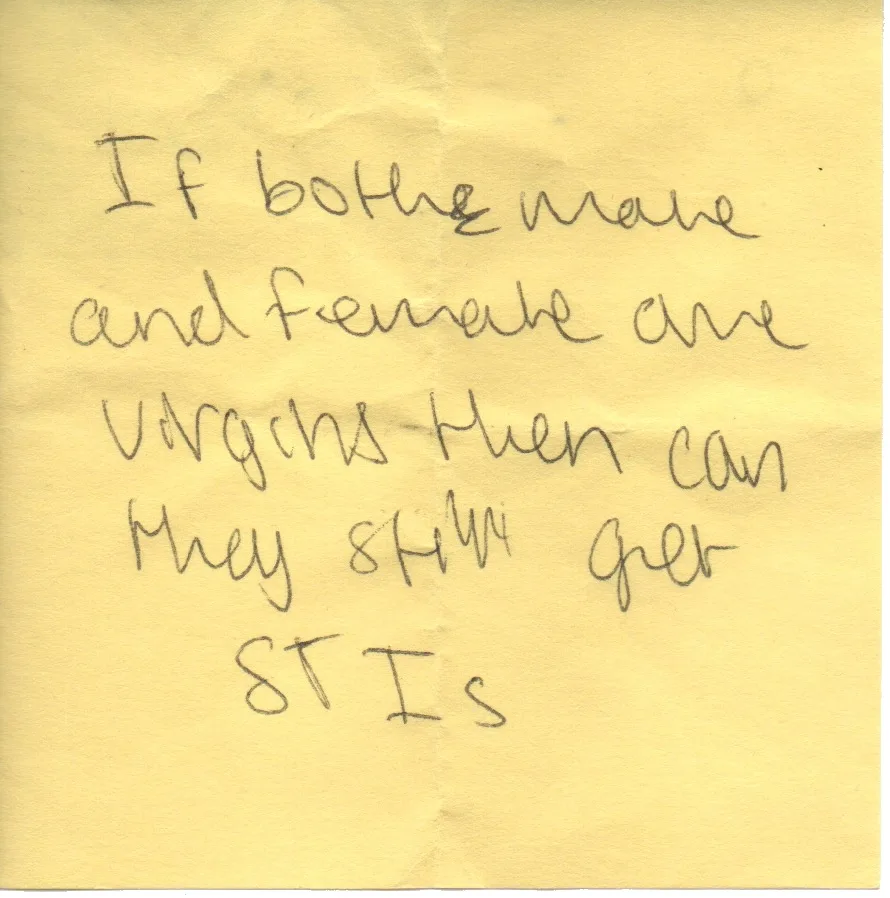
If both male and female are virgins can they still get STIs?
Read the answer -
 Sexual Health
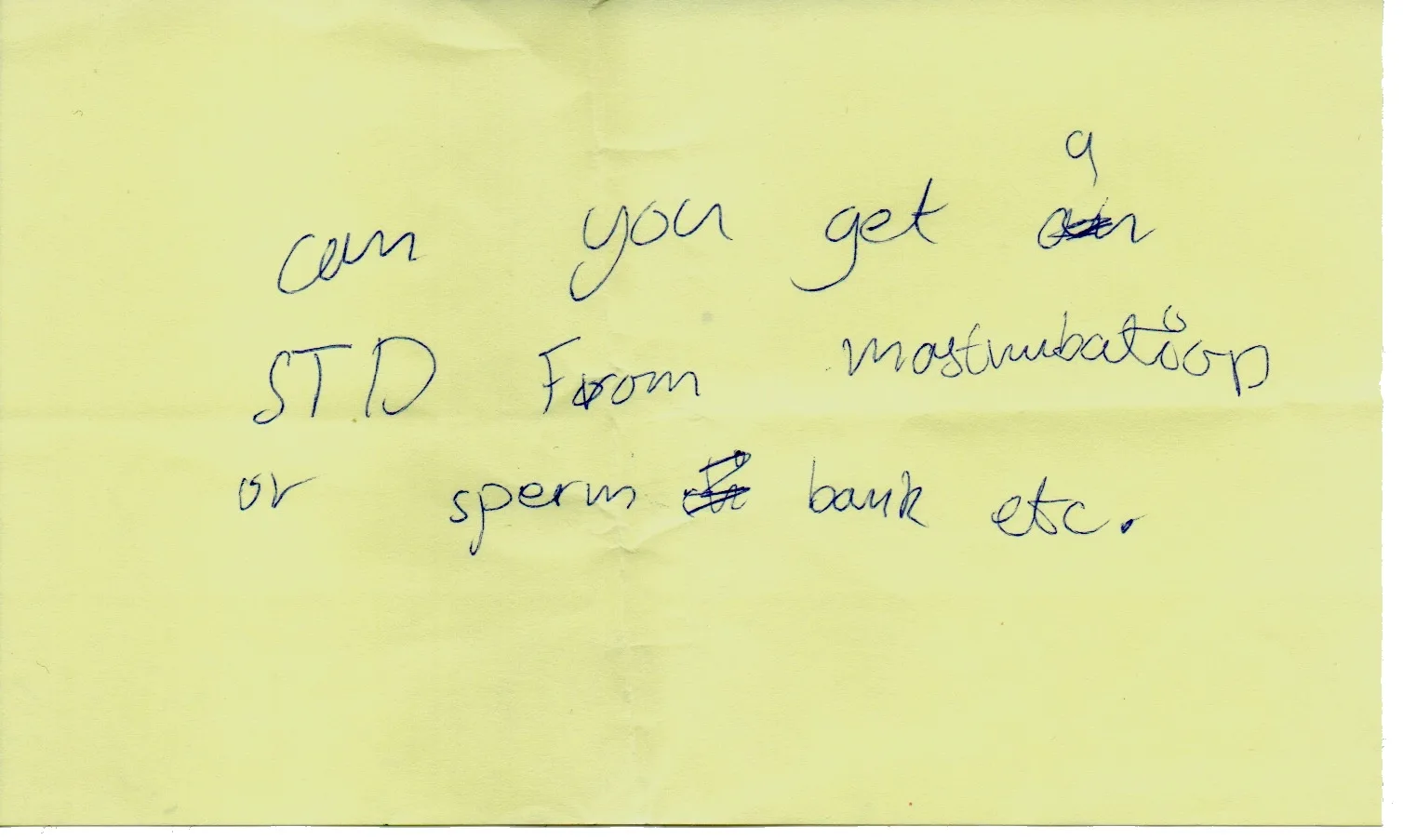
Can you get an STI from masturbation or sperm bank etc?
Read the answer
Where to go from here
Three places this answer connects to — pick what you need next.
The book that answers the questions young people really ask — written for parents, carers and educators.
Buy the book →Curriculum guidance, lesson ideas and key terms to teach this topic with confidence.
See the topic hub →Expert-led delivery, training and curriculum planning from the team behind Okay to Ask.
See our services →