
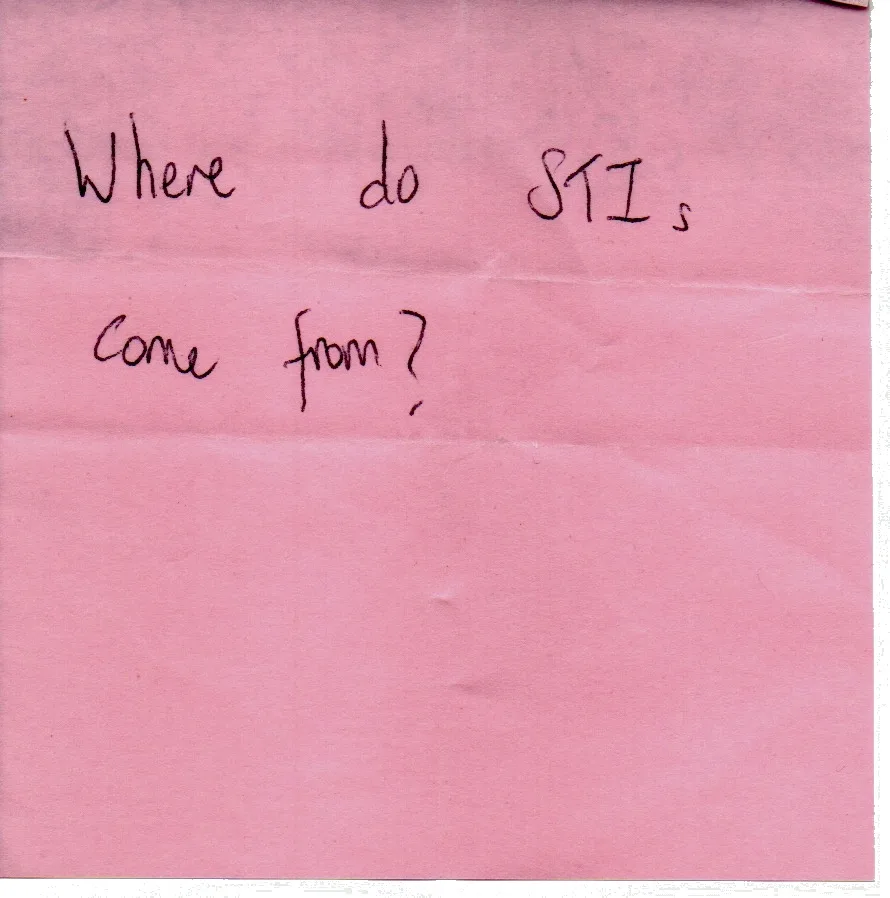
Where do STIs come from?
are caused by bacteria, viruses, or parasites that are passed from one person to another during sexual contact.
You catch an STI from someone who already has one. They don't appear out of nowhere. If neither person in a sexual encounter has an STI, neither of you can catch one from each other. STIs are transmitted, not generated.
The infections themselves have been around for a very long time. Some, like , have been documented for hundreds of years. Others, like , emerged more recently. They're caused by microorganisms (bacteria like and , viruses like HIV and , parasites like ) that evolved to spread through the kind of close physical contact that happens during sex.
The reason STIs spread is that many of them have no symptoms, so people pass them on without knowing. That's why testing matters, even if you feel fine.
are caused by tiny germs like bacteria, viruses, or parasites. They are passed from one person to another during sexual contact.
You catch an STI from someone who already has one. They do not appear out of nowhere. If neither person has an infection, neither can give one to the other.
These infections have been around for a very long time. They spread because many of them have no symptoms, so people pass them on without knowing.
That is why getting tested matters, even if you feel fine.
Need to talk to someone?
- BrookSexual health, contraception, relationships, STIs. For under-25s.
- NHS Sexual HealthSexual health services, STI testing, contraception.
- ChildlineAny issue affecting under-19s. Abuse, bullying, mental health, relationships, sexual health.
Other questions young people ask
-
 Sexual Health
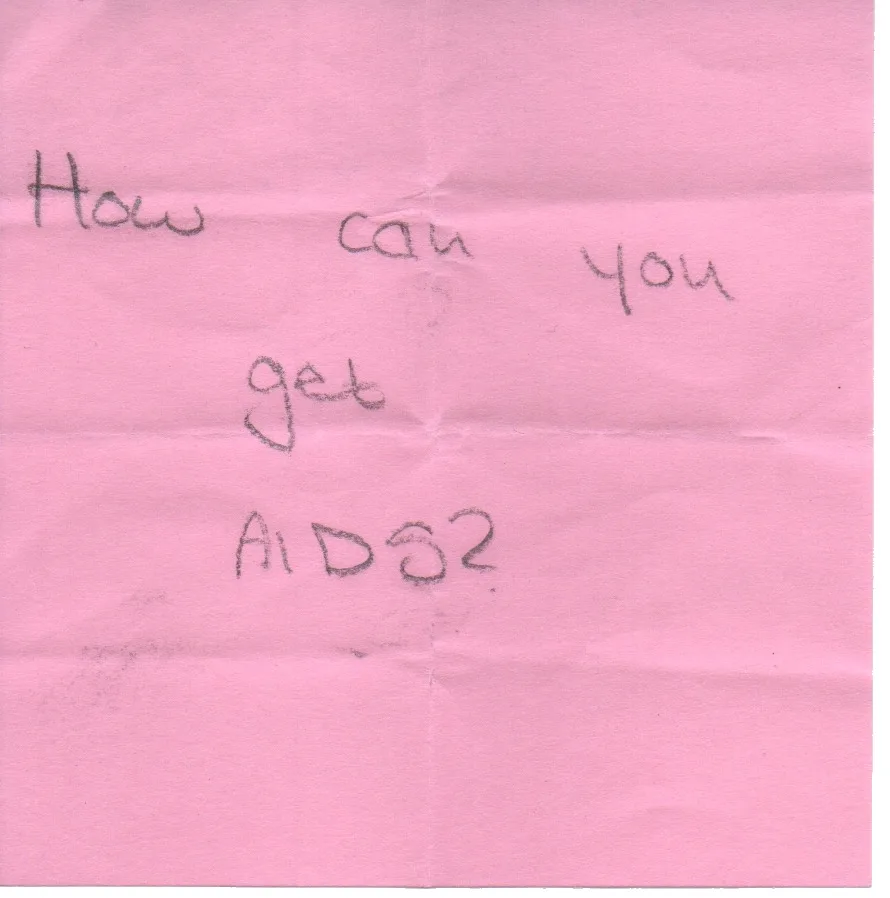
How can you get AIDS?
Read the answer -
 Sexual Health
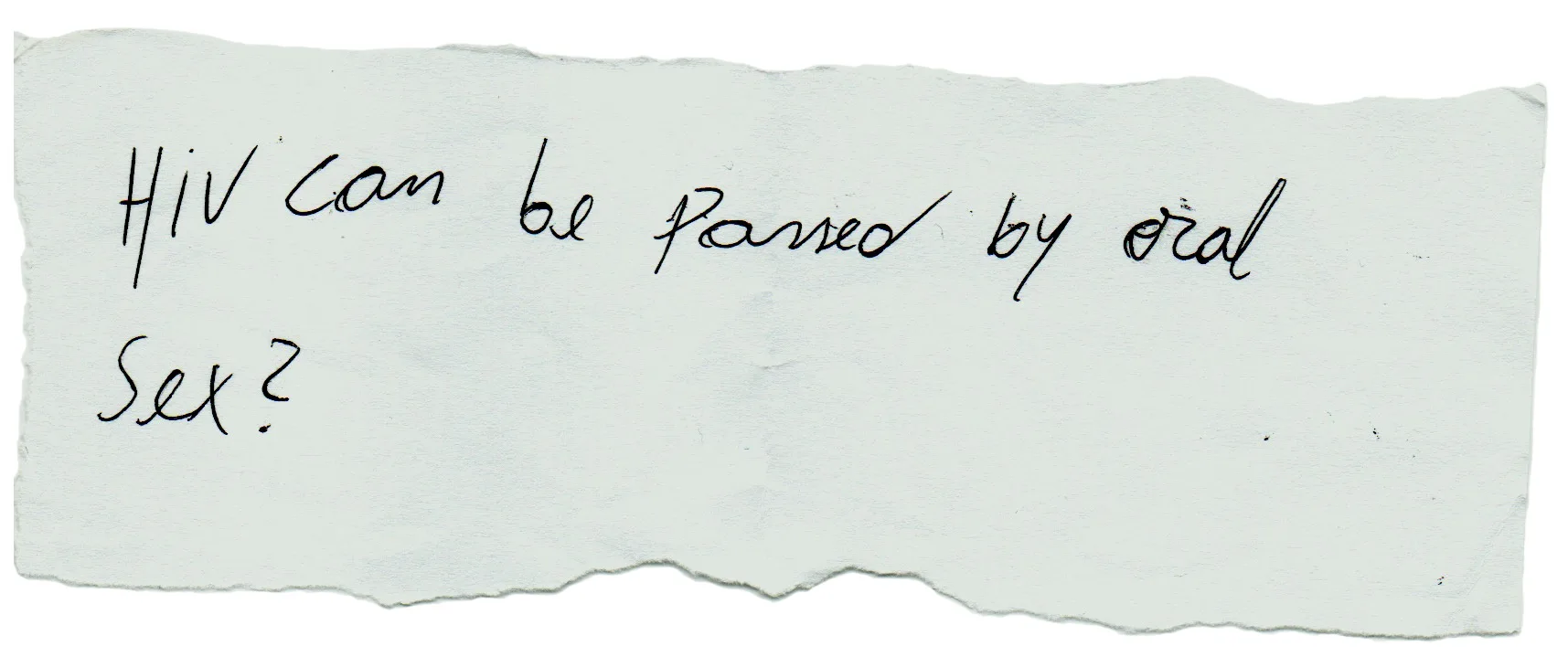
HIV can be passed by oral sex?
Read the answer -
 Sexual Health
If both male and female are virgins can they still get STIs?
Read the answer -
 Sexual Health
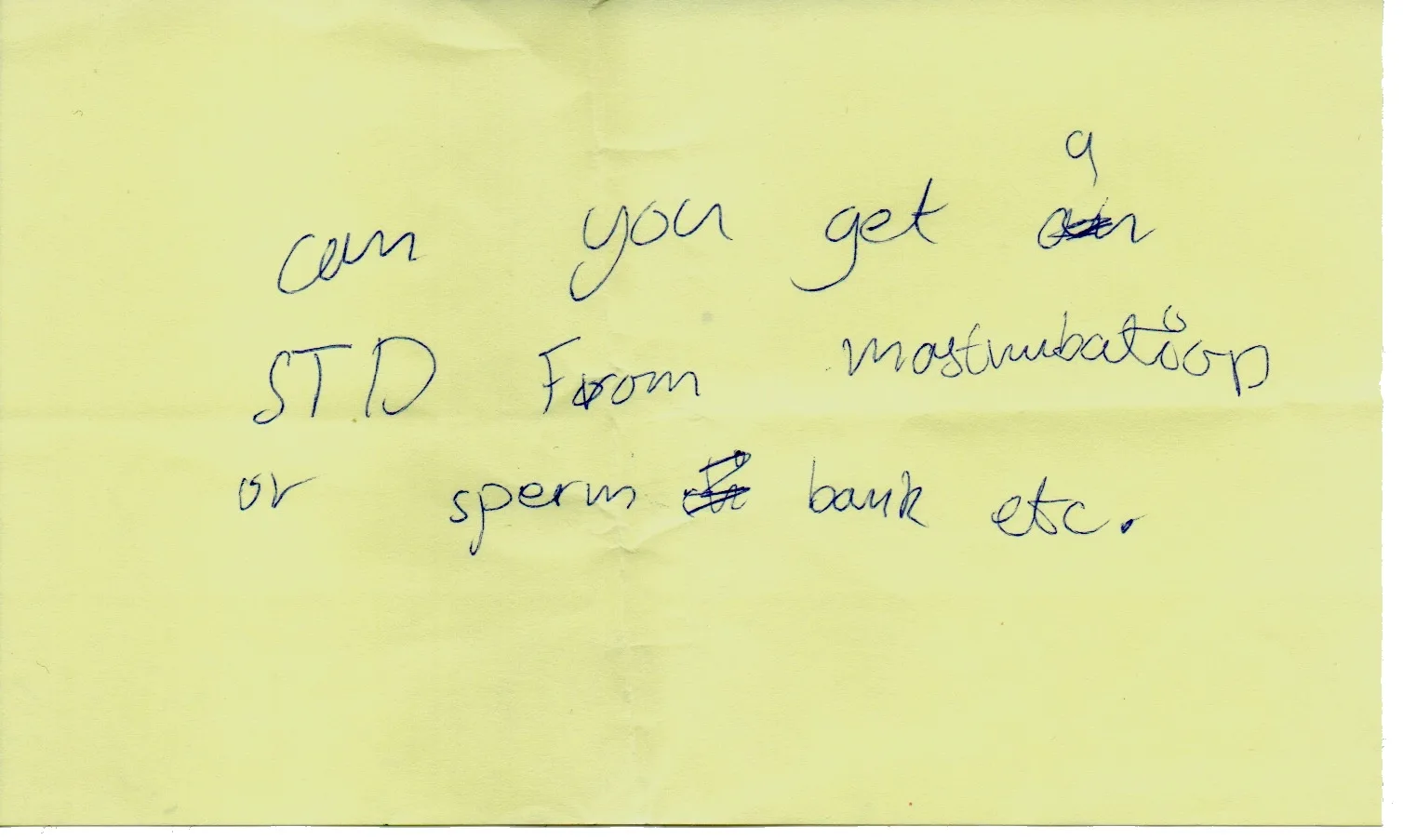
Can you get an STI from masturbation or sperm bank etc?
Read the answer -
 Sexual Health
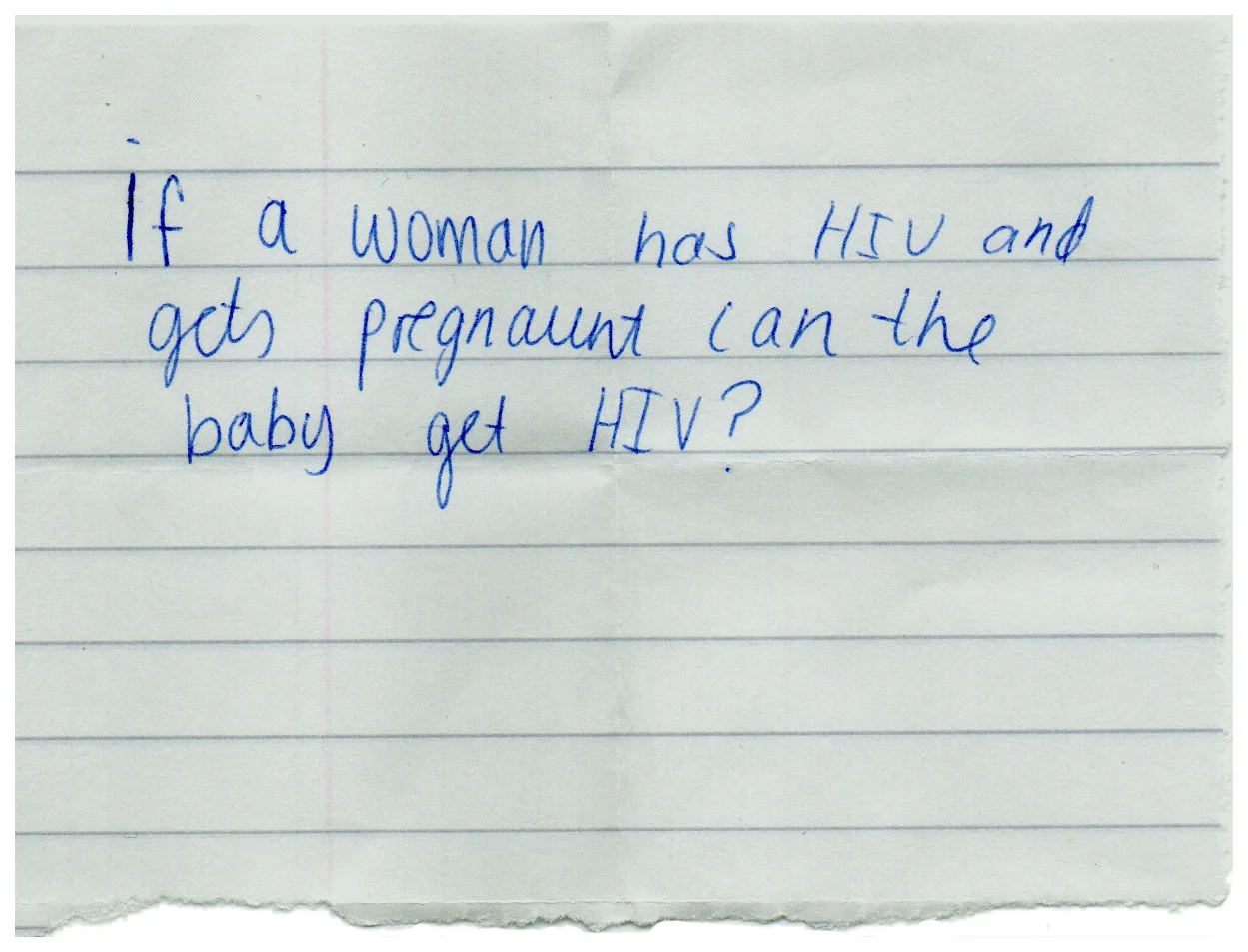
If a woman has HIV and gets pregnant can the baby get HIV?
Read the answer
Where to go from here
Three places this answer connects to — pick what you need next.
The book that answers the questions young people really ask — written for parents, carers and educators.
Buy the book →Curriculum guidance, lesson ideas and key terms to teach this topic with confidence.
See the topic hub →Expert-led delivery, training and curriculum planning from the team behind Okay to Ask.
See our services →