
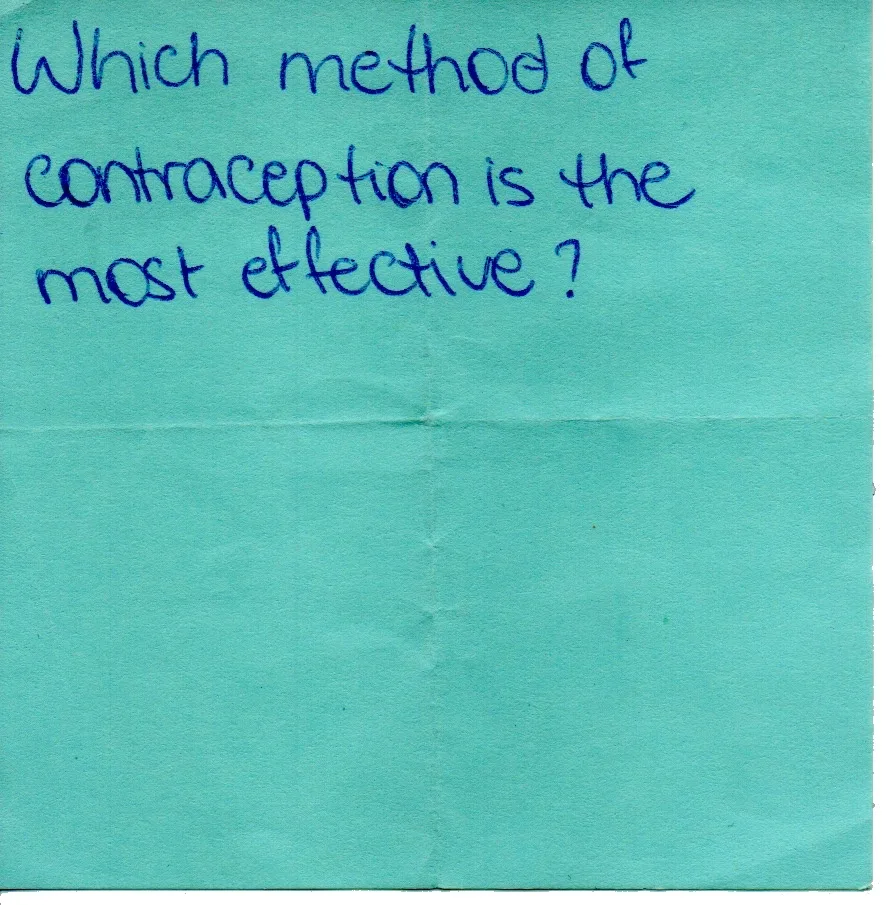
Which method of contraception is the most effective?
The most effective methods of are the and the (coil). Both are over 99% effective, which means fewer than 1 in 100 people using them will get in a year.
The reason they're so effective is that once they're fitted, you don't need to do anything. There's no pill to remember, nothing to put on before sex, and no appointments to keep (until it needs replacing). Human error is the main reason contraception fails, and these methods take that out of the equation.
The is also very effective (around 96% with typical use), and is about 91% effective with typical use. The gap between the pill's "perfect use" effectiveness (over 99%) and its "typical use" (91%) is mostly down to people forgetting to take it.
are around 82% effective with typical use. That's lower than hormonal methods, but condoms are the only method that also protects against .
No method is 100%. But the implant and the IUD come closest.
The most effective methods of are the and the (coil). Both are over 99% effective.
They work so well because once they are fitted, you do not need to do anything. There is no pill to forget and nothing to put on before sex.
The is also very effective. works well too, but only if you take it properly every day.
are less effective at preventing , but they are the only method that also protects against .
No method is 100% perfect. But the implant and the coil come closest.
Need to talk to someone?
- BrookSexual health, contraception, relationships, STIs. For under-25s.
- NHS Sexual HealthSexual health services, STI testing, contraception.
- ChildlineAny issue affecting under-19s. Abuse, bullying, mental health, relationships, sexual health.
Other questions young people ask
-
 Contraception & Pregnancy
What if the condom are too big?
Read the answer -
 Contraception & Pregnancy
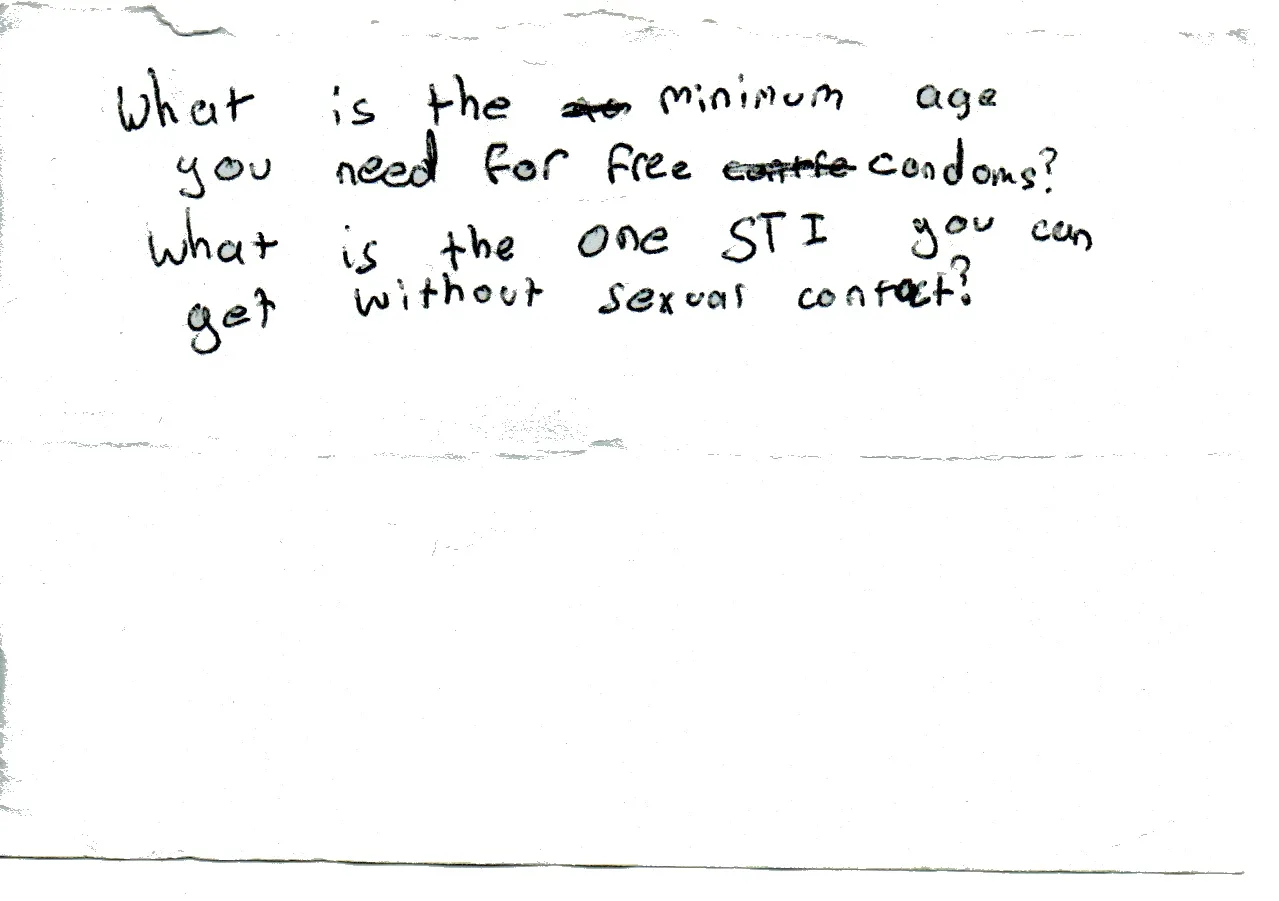
What is the minimum age you need for free condoms?
Read the answer -
 Contraception & Pregnancy
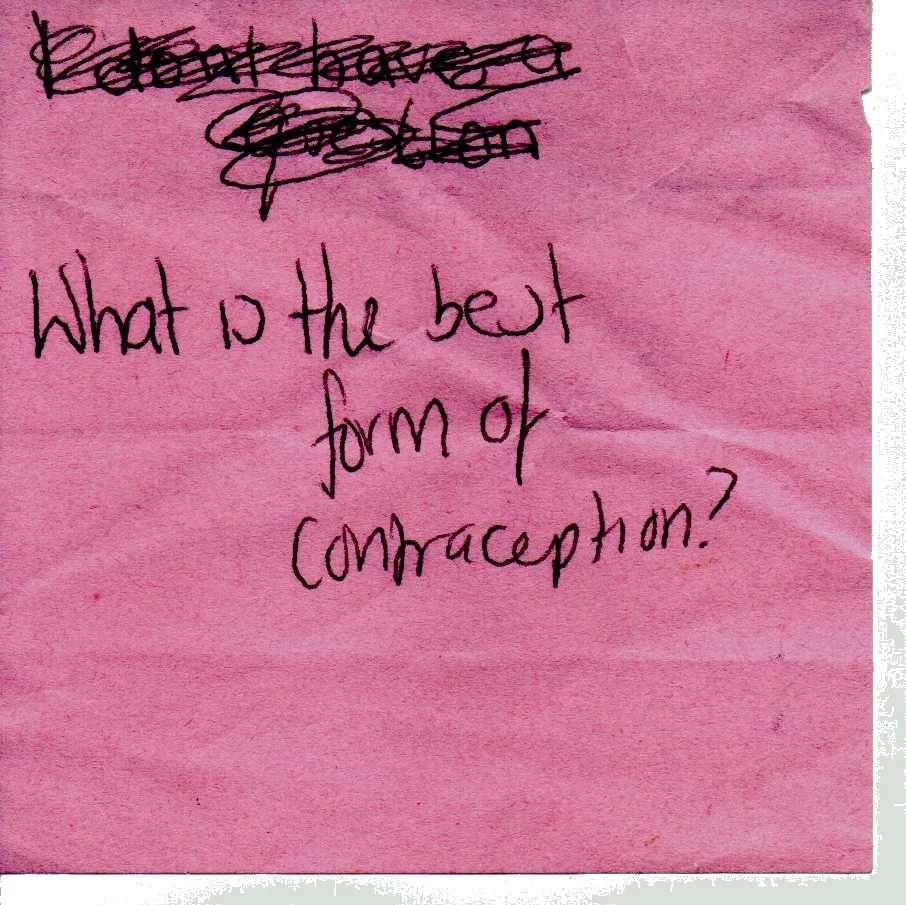
What is the best form of contraception?
Read the answer -
 Contraception & Pregnancy
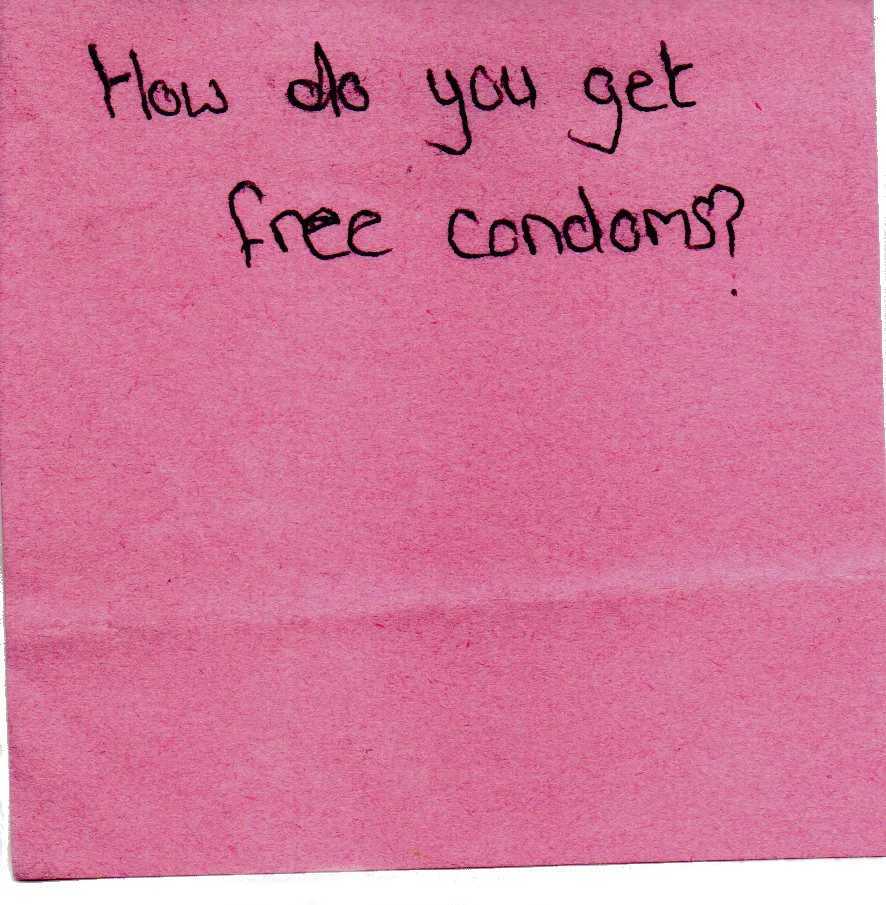
How do get free condoms?
Read the answer -
 Contraception & Pregnancy
How do you put a condom on?
Read the answer
Where to go from here
Three places this answer connects to — pick what you need next.
The book that answers the questions young people really ask — written for parents, carers and educators.
Buy the book →Curriculum guidance, lesson ideas and key terms to teach this topic with confidence.
See the topic hub →Expert-led delivery, training and curriculum planning from the team behind Okay to Ask.
See our services →