
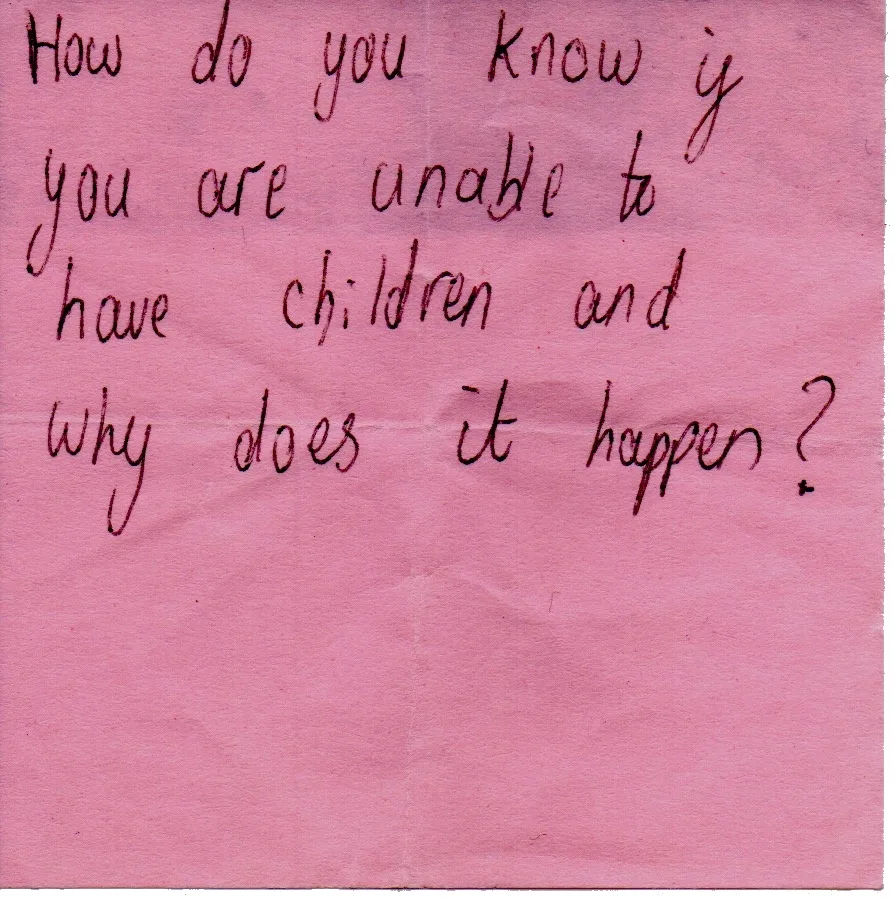
How do you know if you're unable to have children?
Most people don't know whether they can have children until they try. There's usually no obvious sign that tells you in advance.
isn't something you can check by looking at your body or by how you feel. Most people who have fertility problems don't find out until they've been trying to conceive for a while without success. In the UK, doctors usually suggest getting checked if you've been trying for a year without getting (or six months if you're over 35).
There are some things that can affect fertility. For women, very irregular or absent can sometimes be a sign that isn't happening regularly. Conditions like polycystic ovary syndrome (PCOS) or endometriosis can also affect fertility. For men, fertility issues are usually related to quality or quantity, which can only be checked with a test.
Untreated (especially and ) can cause fertility problems if they're left for a long time, which is another reason regular testing matters.
If you're a teenager worrying about this, it's very unlikely you'd know at your age whether you can have children or not. If you have concerns, a GP can talk you through it.
Most people do not know if they can have children until they try. There is usually no obvious sign beforehand.
For girls and women, very irregular or no periods at all can sometimes mean the body is not releasing regularly. Conditions like PCOS can affect this.
For boys and men, problems are usually about , which can only be checked with a test.
Untreated like can cause fertility problems if left for a long time. This is one reason getting tested matters.
If you are a teenager worrying about this, you would not usually know at your age. If you have concerns, a GP can help.
Need to talk to someone?
- BrookSexual health, contraception, relationships, STIs. For under-25s.
- NHS Sexual HealthSexual health services, STI testing, contraception.
- ChildlineAny issue affecting under-19s. Abuse, bullying, mental health, relationships, sexual health.
Other questions young people ask
-
 Contraception & Pregnancy
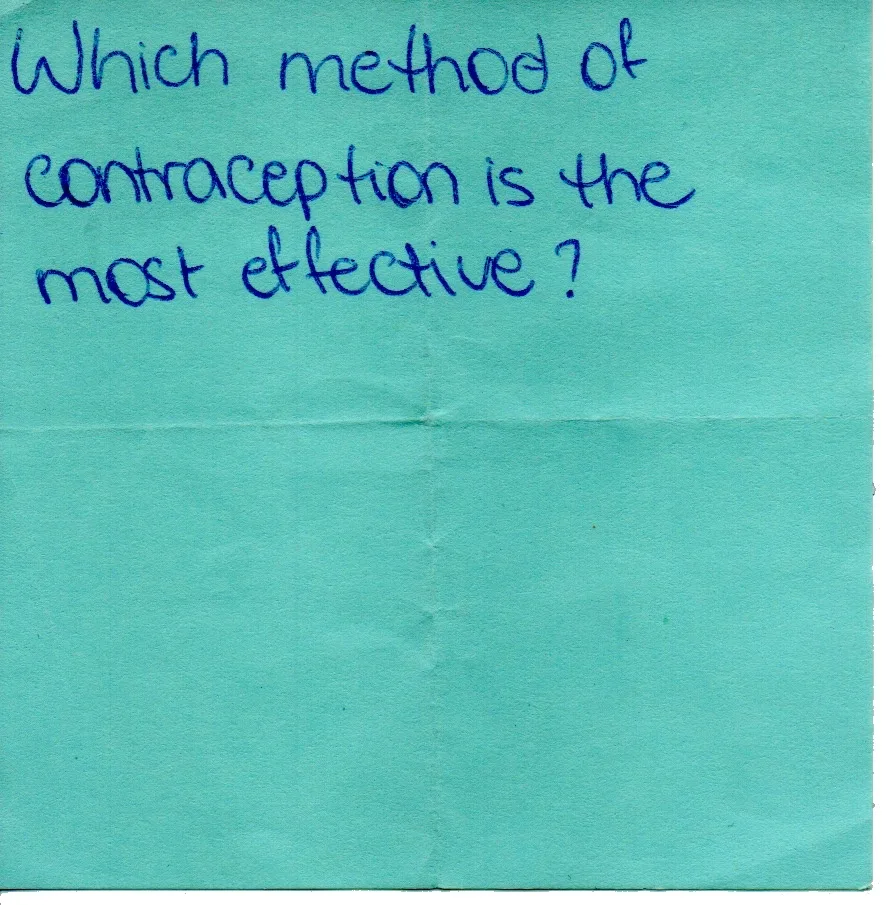
Which method of contraception is the most effective?
Read the answer -
 Contraception & Pregnancy
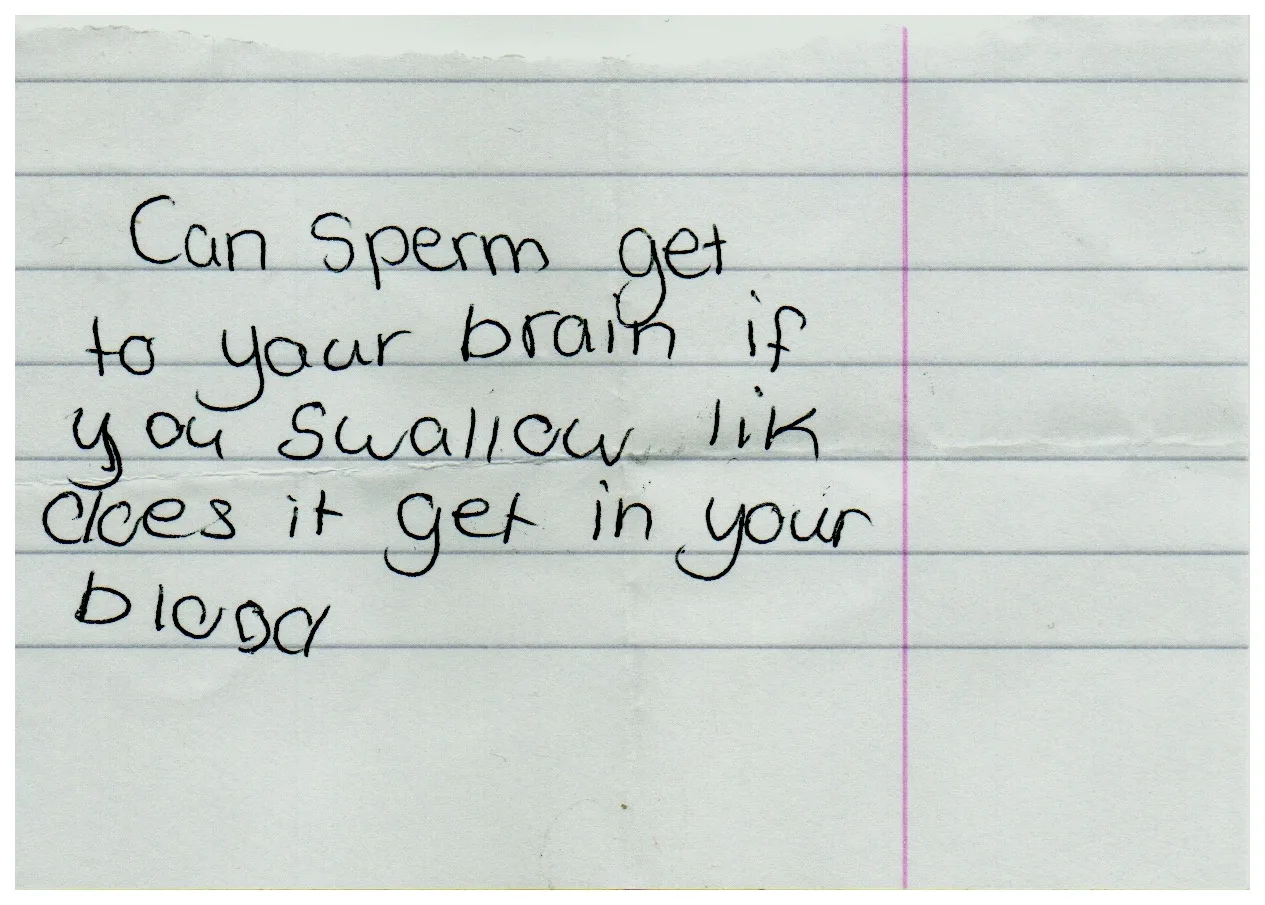
Can sperm get to your brain if you swallow, like does it get in your blood?
Read the answer -
 Contraception & Pregnancy
What if the condom are too big?
Read the answer -
 Contraception & Pregnancy
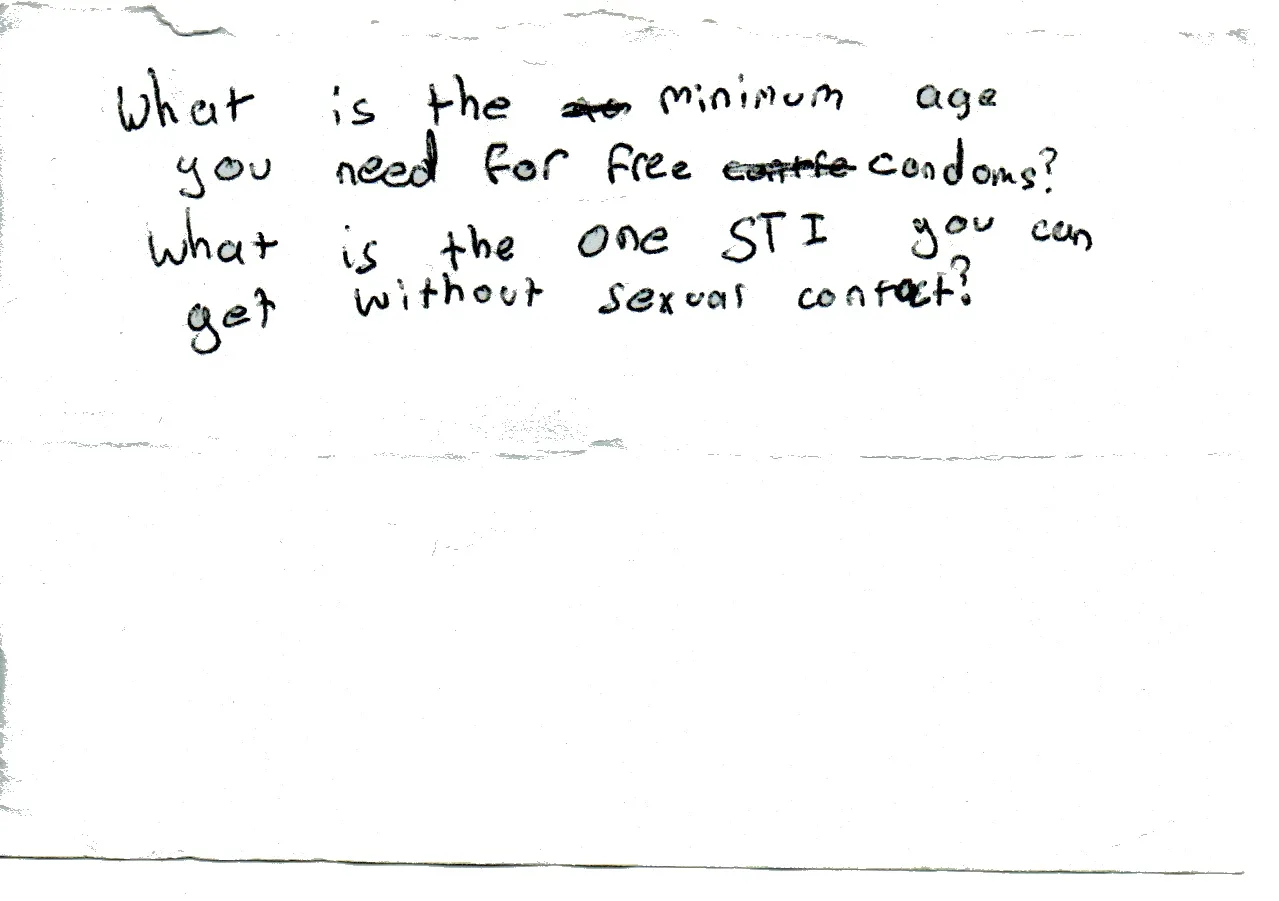
What is the minimum age you need for free condoms?
Read the answer -
 Contraception & Pregnancy
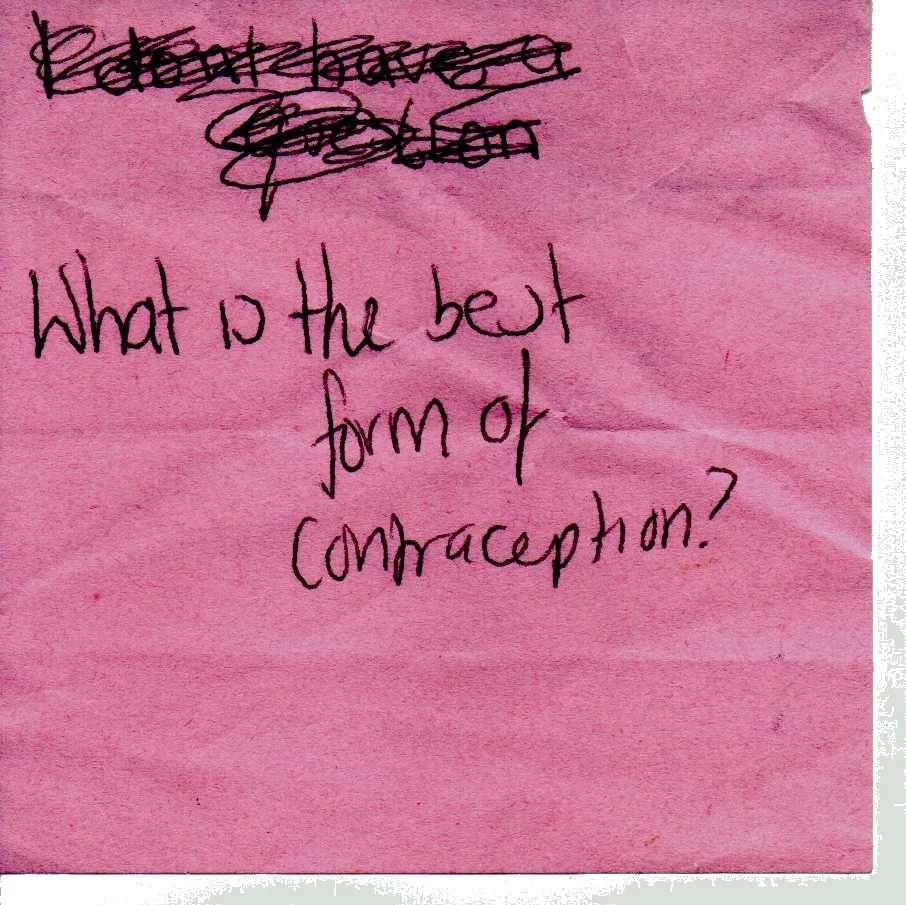
What is the best form of contraception?
Read the answer
Where to go from here
Three places this answer connects to — pick what you need next.
The book that answers the questions young people really ask — written for parents, carers and educators.
Buy the book →Curriculum guidance, lesson ideas and key terms to teach this topic with confidence.
See the topic hub →Expert-led delivery, training and curriculum planning from the team behind Okay to Ask.
See our services →