
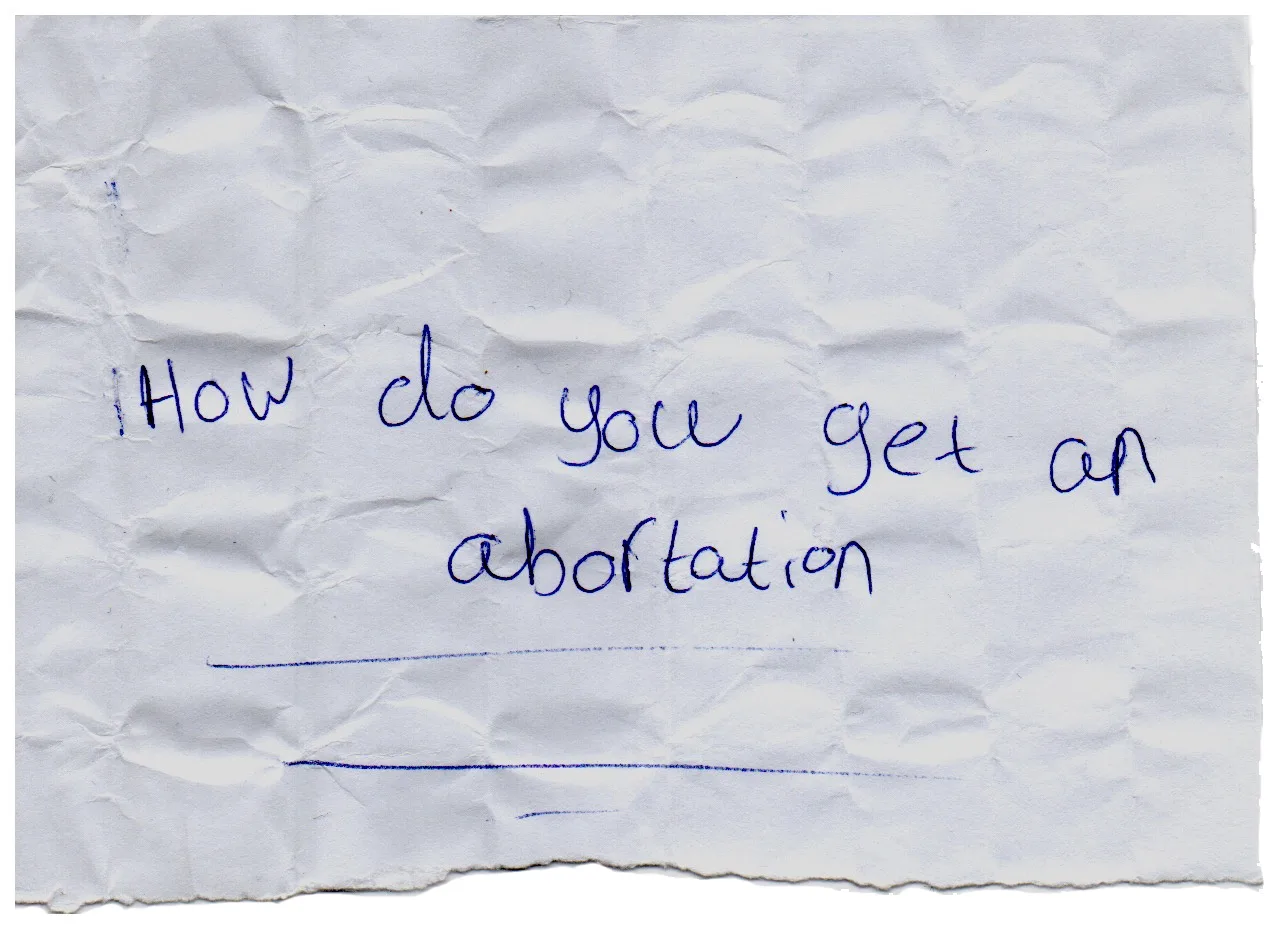
How do you get an abortion?
In the UK, are available free on the NHS. You can get one by contacting your GP, a , or by self-referring directly to an abortion provider like BPAS or MSI Reproductive Choices. You don't have to go through your GP if you'd rather not.
There are two main types. A medical abortion involves taking two sets of pills, usually a day or two apart. It causes the to end in a way that's similar to a heavy . This is the most common method and is used in early pregnancy, usually up to 10 weeks. An early medical abortion can sometimes be done at home.
A surgical abortion is a short procedure carried out under local anaesthetic or sedation. It's usually used for pregnancies over 10 weeks and takes about 5 to 10 minutes. You'll normally be at the clinic for a few hours in total.
Abortions are legal in England, Scotland, and Wales up to 24 weeks of pregnancy, though the vast majority happen in the first 12 weeks. The law is slightly different in Northern Ireland, but services are available there too.
If you're under 16, you can access an abortion without your parents' permission, as long as the healthcare professional believes you understand the decision. It's confidential.
If you think you might need an abortion, don't wait. Contact your GP or a provider like BPAS (0345 730 4030) as soon as possible.
In the UK, are free on the NHS. You can get one by going to your GP, a , or by contacting an abortion provider like BPAS or MSI directly. You do not have to go through your GP if you would rather not.
There are two types. A medical abortion uses two sets of pills. It is the most common type and is used in early . A surgical abortion is a short procedure done at a clinic.
Abortions are legal up to 24 weeks in England, Scotland, and Wales. Most happen in the first 12 weeks.
If you are under 16, you can get an abortion without your parents knowing. It is private.
If you think you might need one, do not wait. Contact your GP or BPAS as soon as possible.
Need to talk to someone?
- BrookSexual health, contraception, relationships, STIs. For under-25s.
- NHS Sexual HealthSexual health services, STI testing, contraception.
- ChildlineAny issue affecting under-19s. Abuse, bullying, mental health, relationships, sexual health.
Other questions young people ask
-
 Contraception & Pregnancy
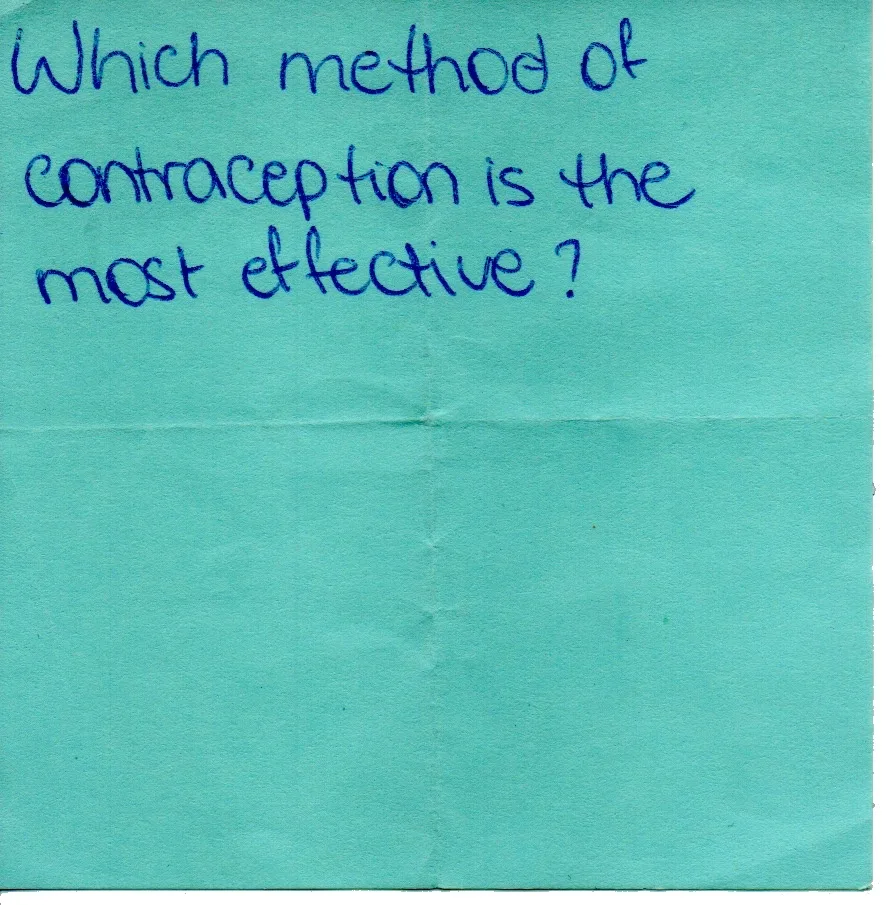
Which method of contraception is the most effective?
Read the answer -
 Contraception & Pregnancy
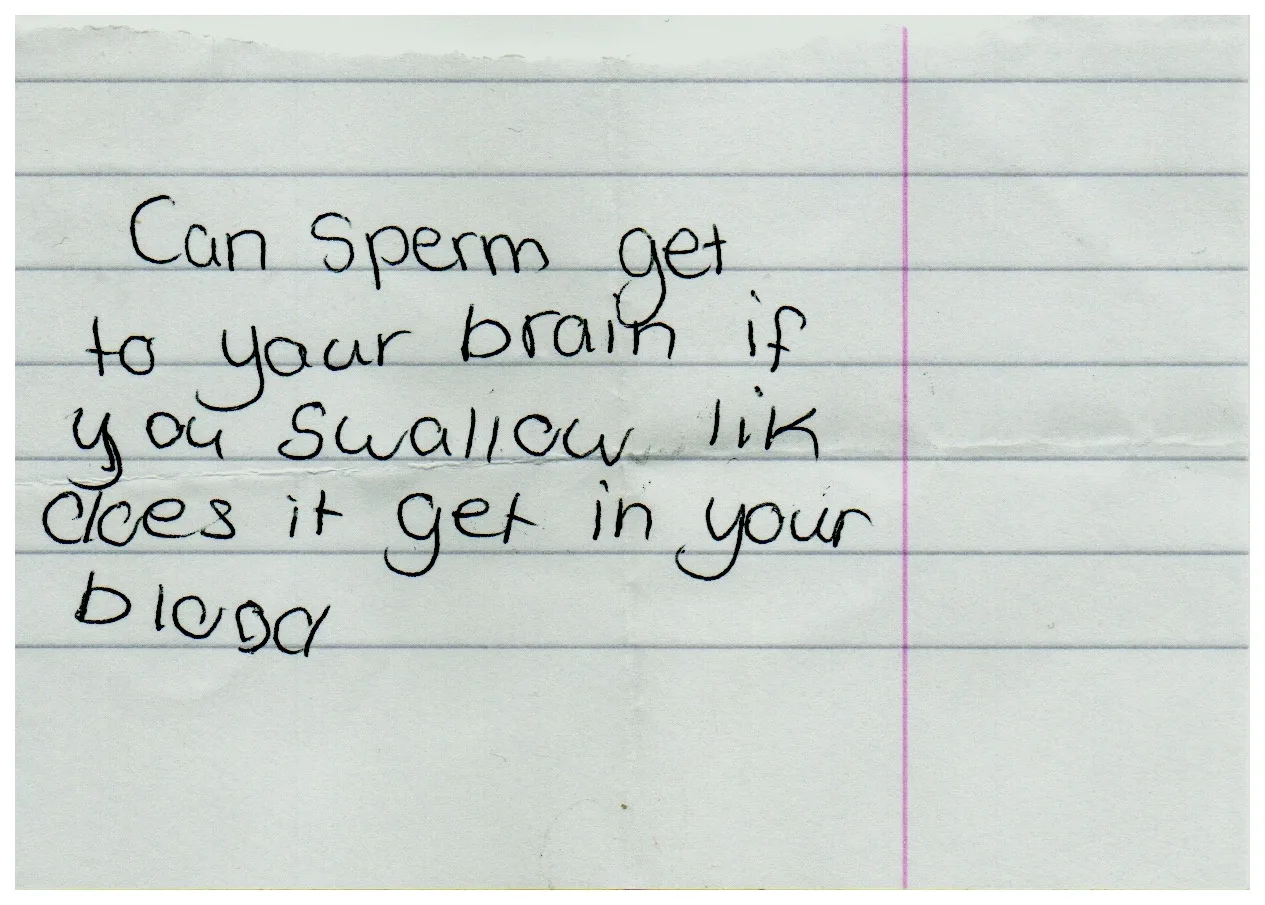
Can sperm get to your brain if you swallow, like does it get in your blood?
Read the answer -
 Contraception & Pregnancy
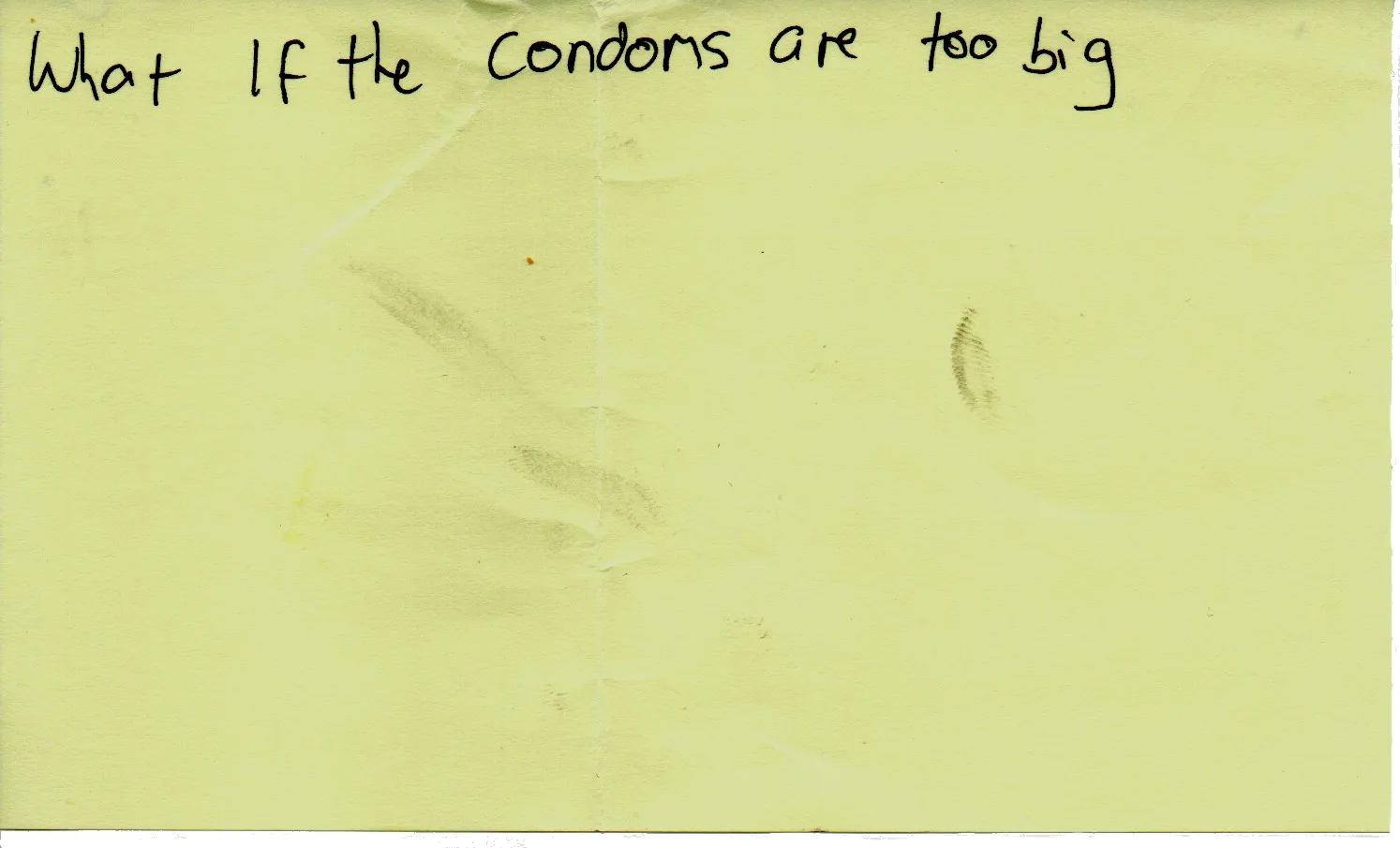
What if the condom are too big?
Read the answer -
 Contraception & Pregnancy
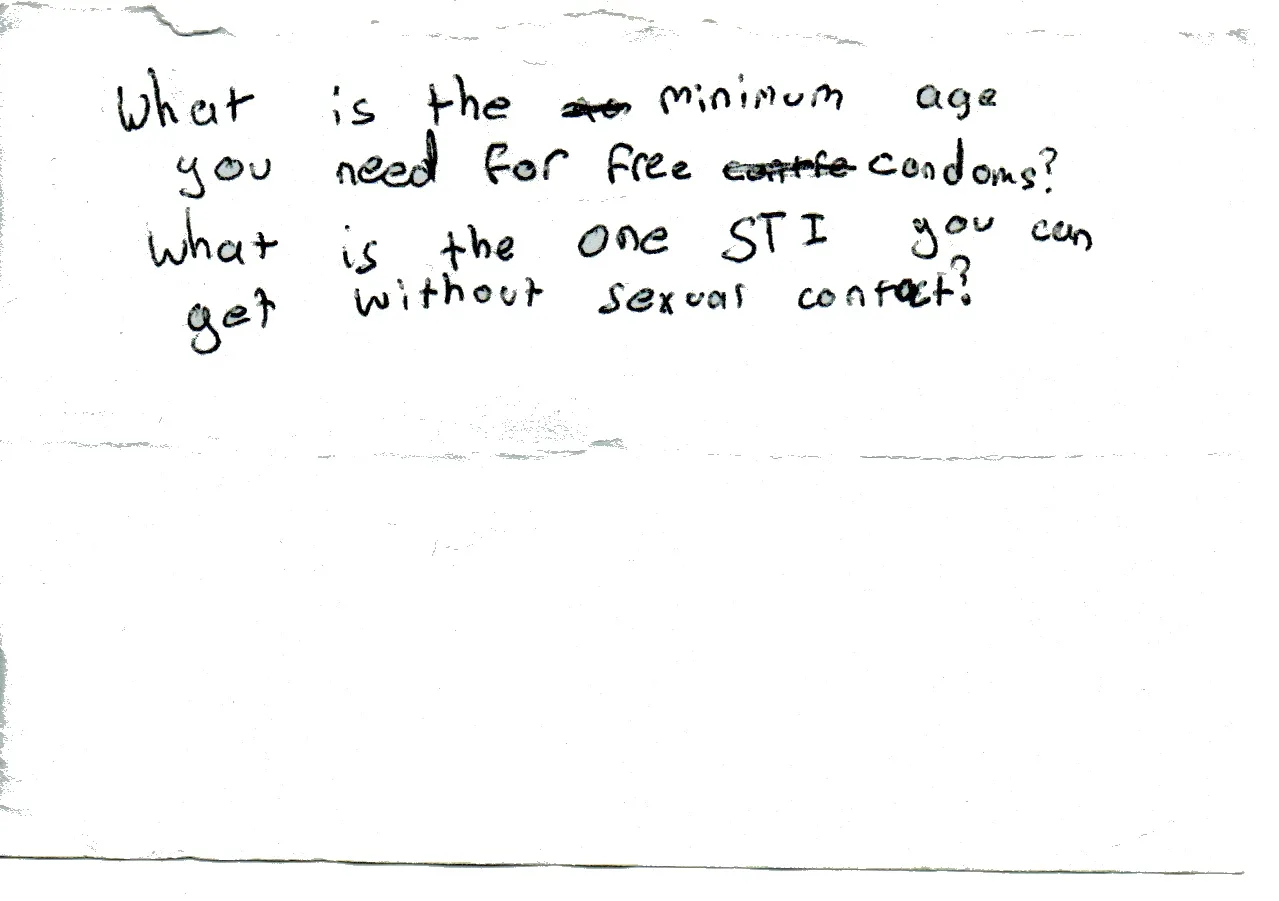
What is the minimum age you need for free condoms?
Read the answer -
 Contraception & Pregnancy
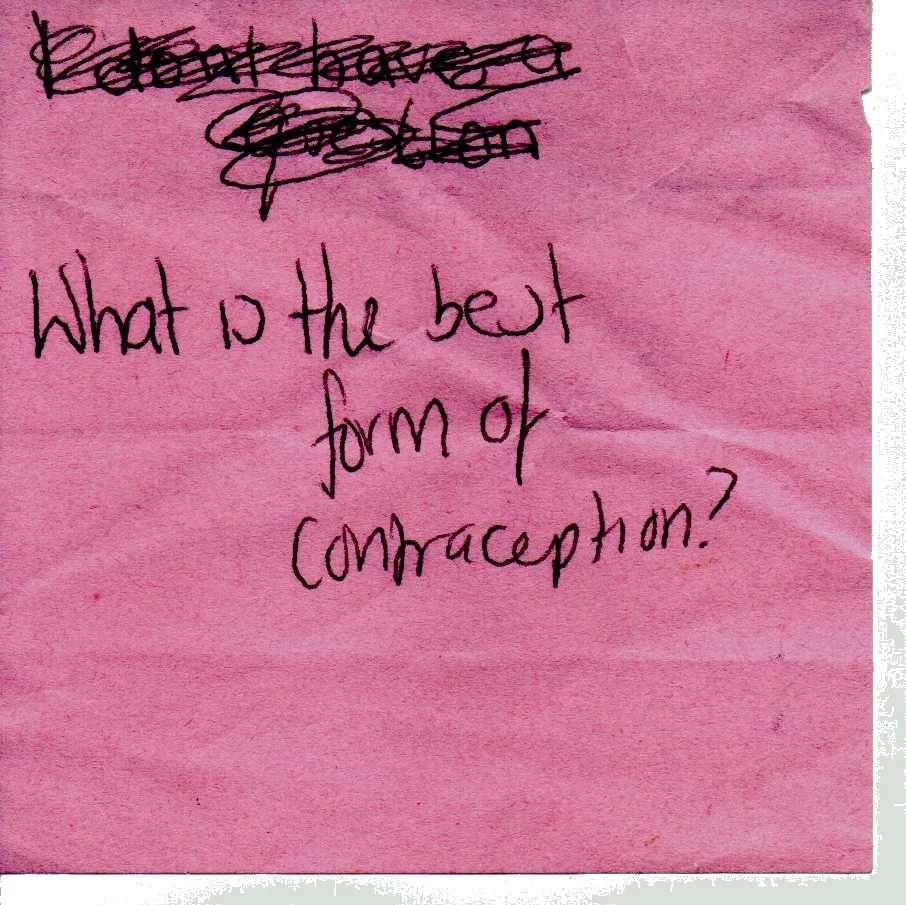
What is the best form of contraception?
Read the answer
Where to go from here
Three places this answer connects to — pick what you need next.
The book that answers the questions young people really ask — written for parents, carers and educators.
Buy the book →Curriculum guidance, lesson ideas and key terms to teach this topic with confidence.
See the topic hub →Expert-led delivery, training and curriculum planning from the team behind Okay to Ask.
See our services →