
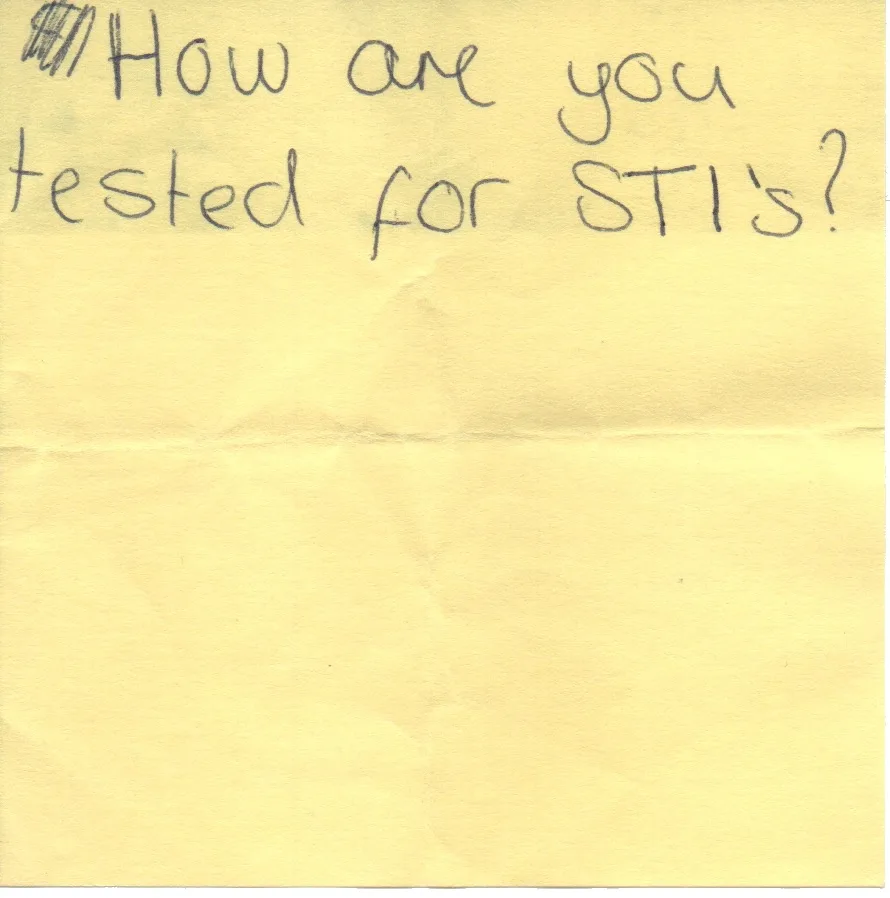
How are you tested for STIs?
testing usually involves a urine sample, a blood test, a swab, or a combination of these. It depends on what you're being tested for.
For and (the most common ones), you usually just pee in a pot. That's it. For others like and , a small blood sample is taken. If you've had oral or , they might do a swab of your throat or rectum. For visible symptoms like sores or blisters, a doctor or nurse might take a look and swab the area.
You can get tested at a , your GP, or in many areas you can order a home testing kit online and do it yourself. Most testing is quick, straightforward, and nowhere near as awkward as people expect it to be.
Results usually come back within a few days, sometimes sooner. If anything comes back positive, the clinic or GP will talk you through what happens next. Most STIs are treatable, and the staff deal with this every day, so there's nothing to be embarrassed about.
Testing is free, confidential, and you don't need your parents' permission.
testing usually involves peeing in a pot, a blood test, a swab, or a mix of these. It depends on what you are being tested for.
For and , you usually just pee in a pot. For and , a small blood sample is taken. If you have had oral or , they might swab your throat or bum.
You can get tested at a , your GP, or by ordering a home test kit online.
It is quick, free, and private. You do not need your parents' permission. Results usually come back in a few days. If anything comes back positive, they will help you with treatment.
Need to talk to someone?
- BrookSexual health, contraception, relationships, STIs. For under-25s.
- NHS Sexual HealthSexual health services, STI testing, contraception.
- ChildlineAny issue affecting under-19s. Abuse, bullying, mental health, relationships, sexual health.
Other questions young people ask
-
 Sexual Health
What is the single most effective way of limiting sexual infections?
Read the answer -
 Sexual Health
Can an STI go away if you have it?
Read the answer -
 Sexual Health
I don't know if I have an STI or not
Read the answer -
 Sexual Health
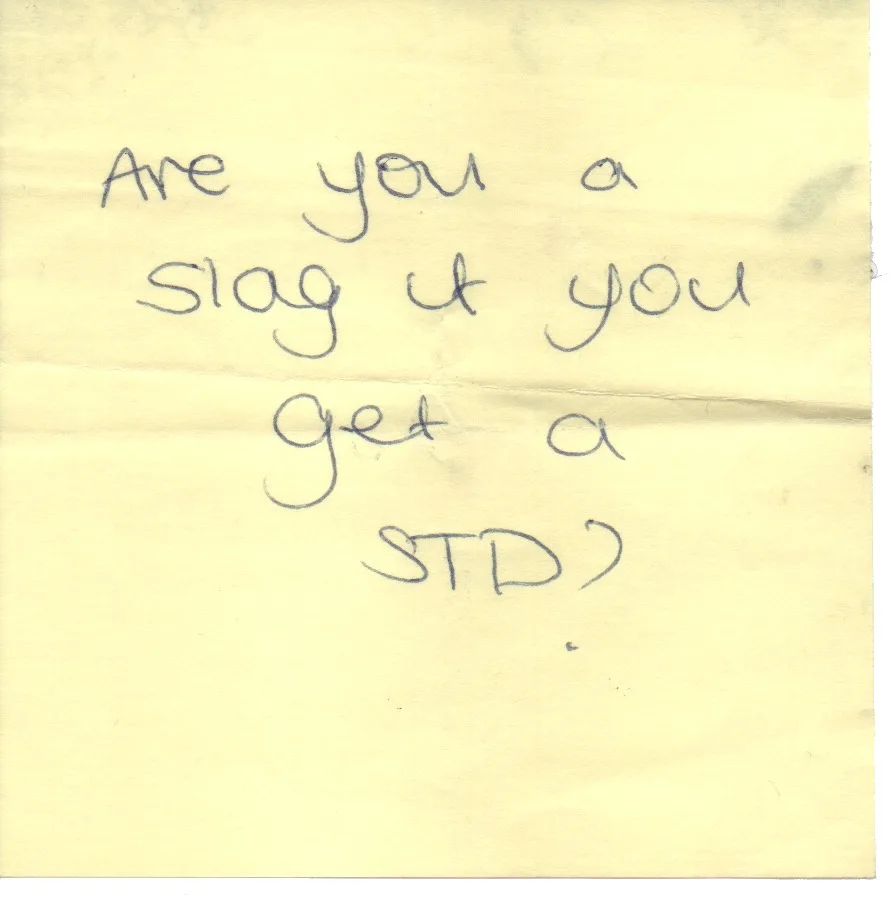
Are you a slag if you get an STD?
Read the answer -
 Sexual Health
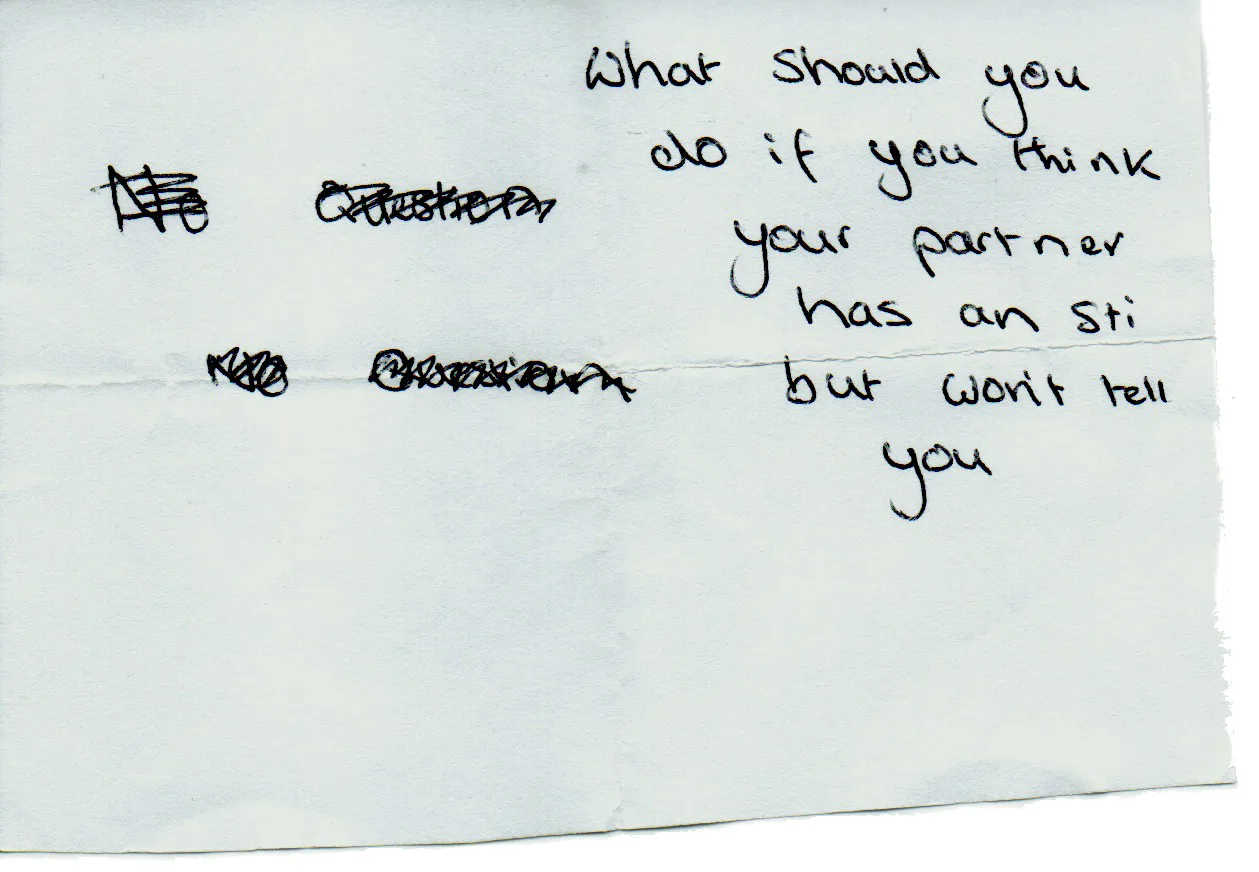
What should you do if you think your partner has an STI but wont tell you?
Read the answer
Where to go from here
Three places this answer connects to — pick what you need next.
The book that answers the questions young people really ask — written for parents, carers and educators.
Buy the book →Curriculum guidance, lesson ideas and key terms to teach this topic with confidence.
See the topic hub →Expert-led delivery, training and curriculum planning from the team behind Okay to Ask.
See our services →