
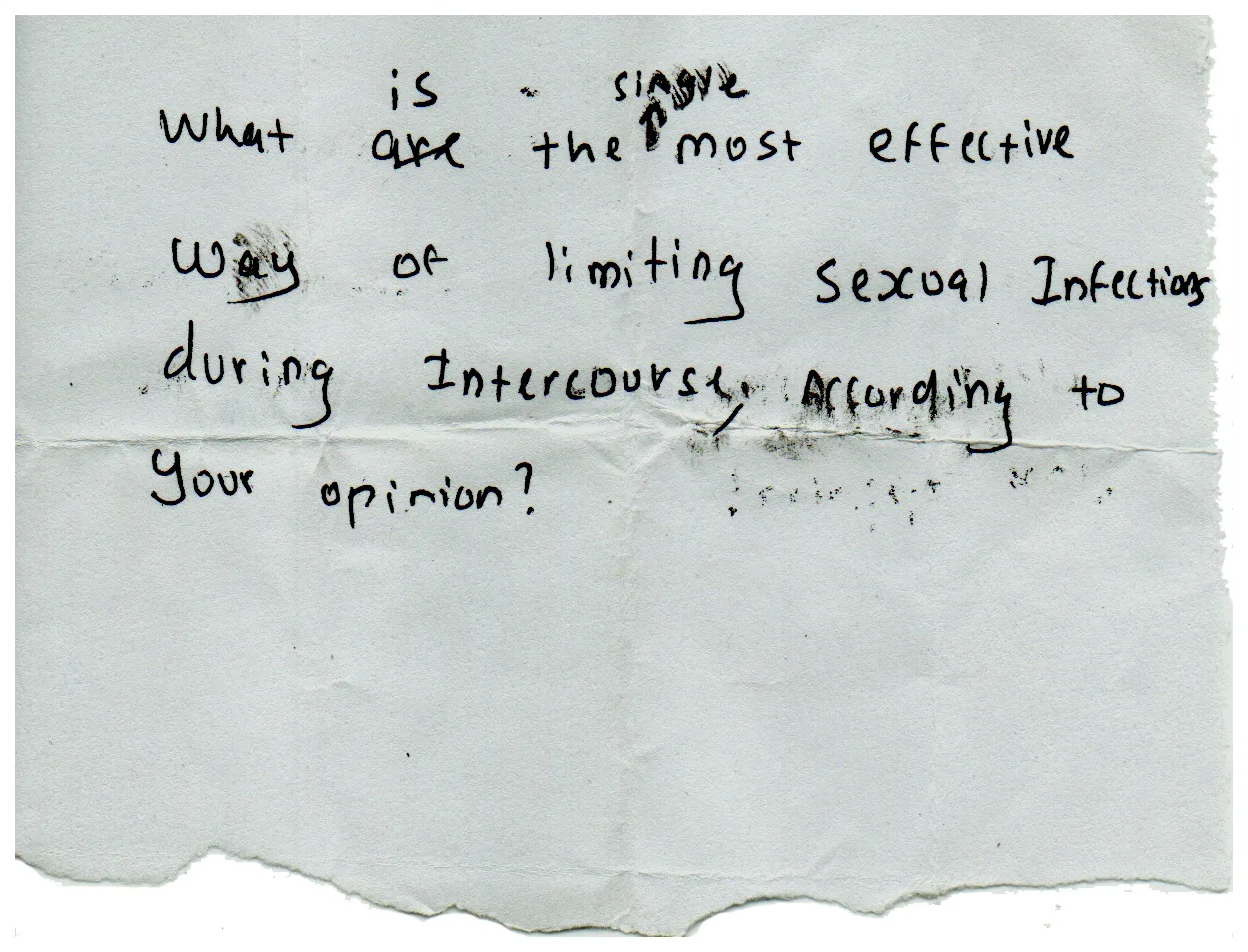
What is the single most effective way of limiting sexual infections?
. They're the single most effective way to reduce the risk of during sex.
Condoms create a barrier that stops bodily fluids from being exchanged, which is how most STIs are transmitted. They protect against , , , and many others. No other method of does this. , the , the coil: none of them protect against STIs. Only condoms.
They're not 100% effective because some STIs (like and ) can be spread through skin-to-skin contact in areas the condom doesn't cover. But they're still the best protection available during sex.
Getting tested regularly is the other big one. A lot of STIs have no symptoms, so you could have one and not know. Regular testing means you catch things early and avoid passing them on.
are the most effective way to reduce the risk of sexual infections during sex.
Condoms stop body fluids from being shared between people. This is how most are passed on. No other type of protects against STIs. , the , and the coil only prevent .
Condoms are not 100% perfect because some STIs like can spread through skin touching skin. But they are still the best protection there is.
Getting tested regularly is the other important thing. Many STIs have no symptoms, so testing is the only way to catch them early.
Need to talk to someone?
- BrookSexual health, contraception, relationships, STIs. For under-25s.
- NHS Sexual HealthSexual health services, STI testing, contraception.
- ChildlineAny issue affecting under-19s. Abuse, bullying, mental health, relationships, sexual health.
Other questions young people ask
-
 Sexual Health
Can an STI go away if you have it?
Read the answer -
 Sexual Health
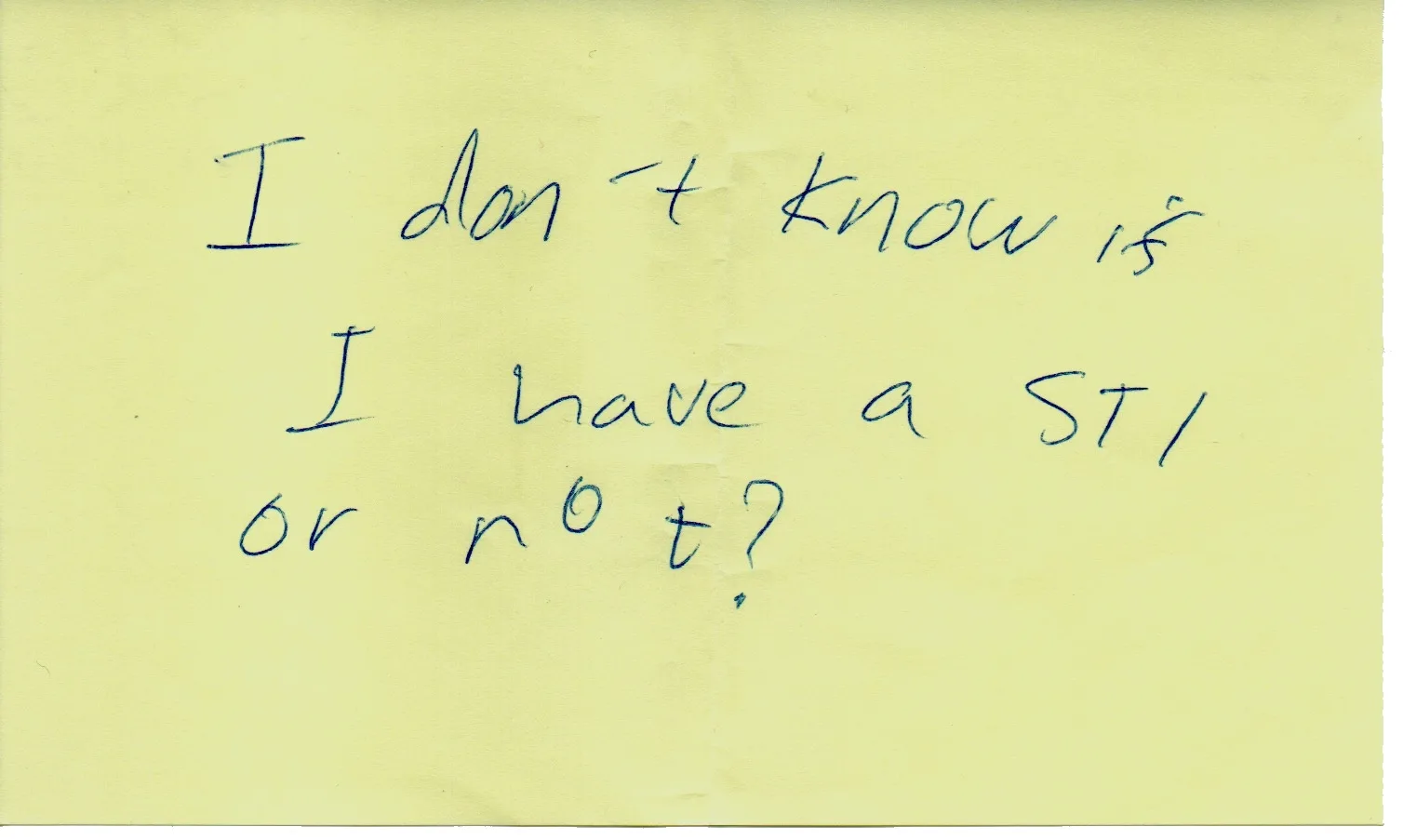
I don't know if I have an STI or not
Read the answer -
 Sexual Health
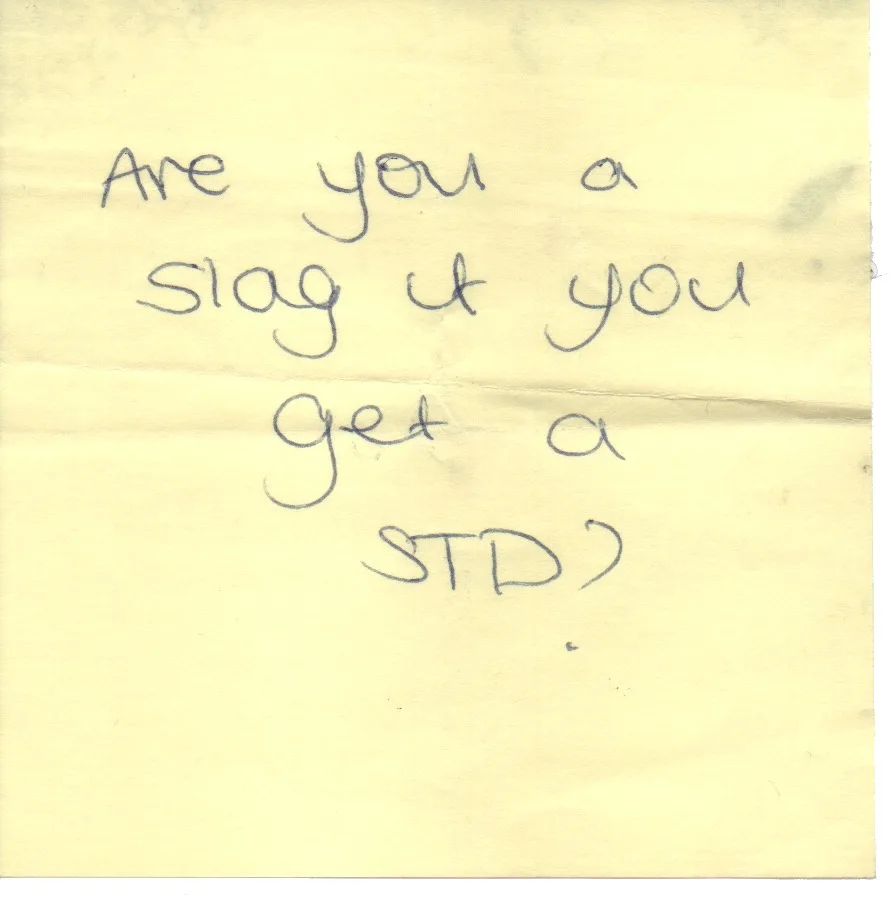
Are you a slag if you get an STD?
Read the answer -
 Sexual Health
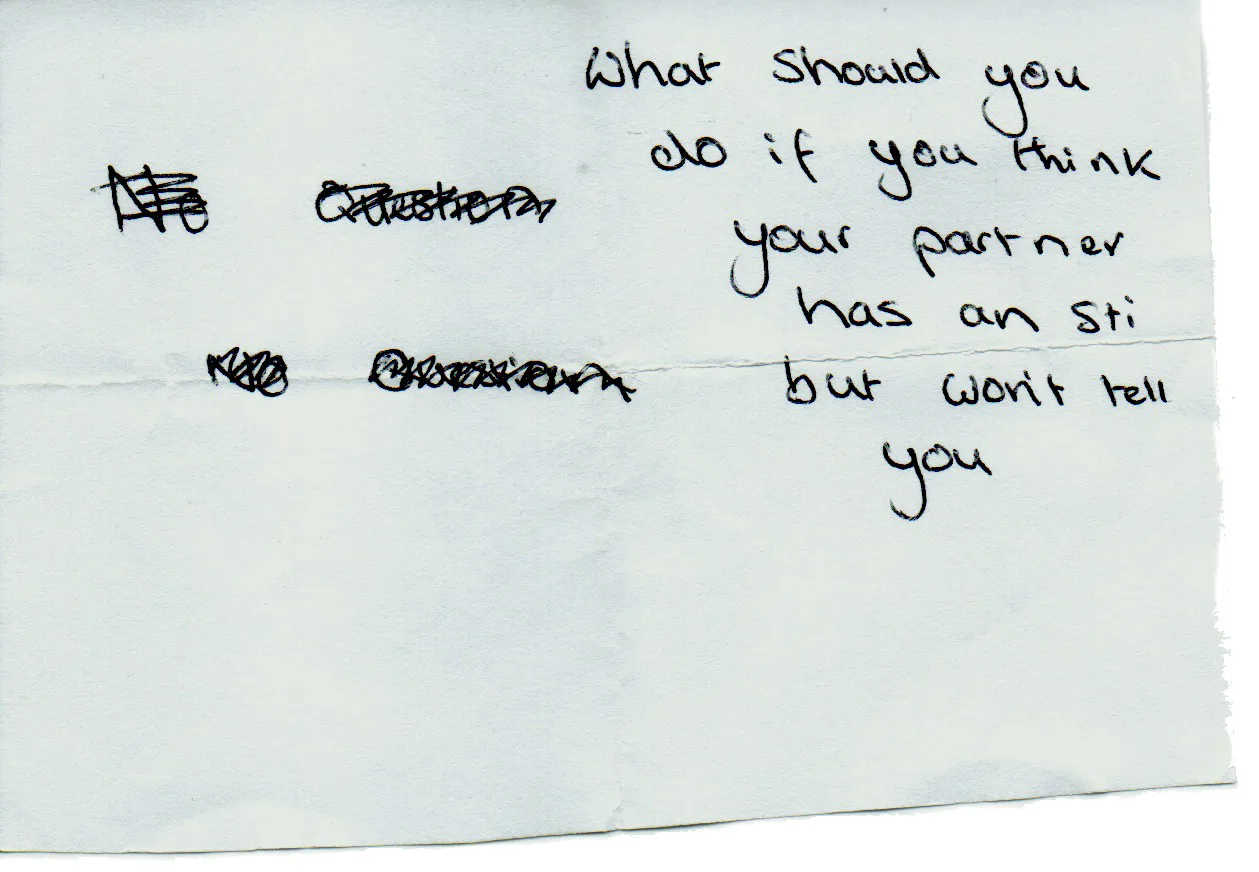
What should you do if you think your partner has an STI but wont tell you?
Read the answer -
 Sexual Health
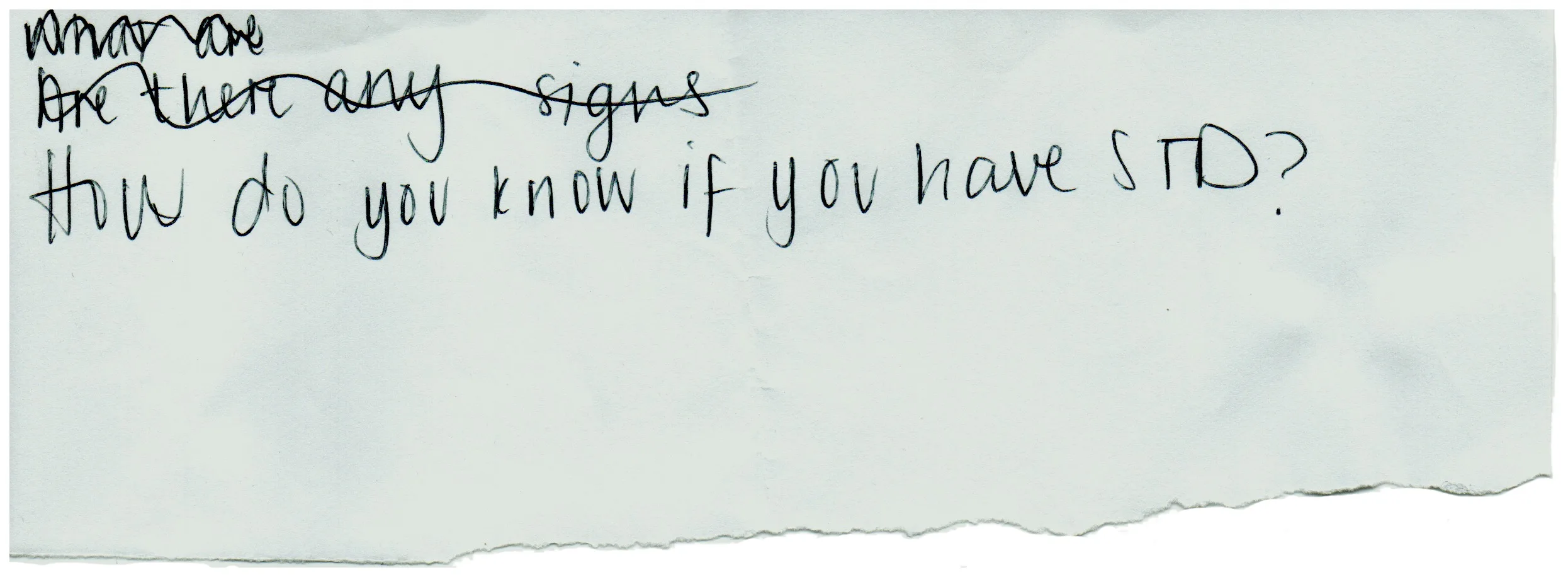
How do you know if you have STD?
Read the answer
Where to go from here
Three places this answer connects to — pick what you need next.
The book that answers the questions young people really ask — written for parents, carers and educators.
Buy the book →Curriculum guidance, lesson ideas and key terms to teach this topic with confidence.
See the topic hub →Expert-led delivery, training and curriculum planning from the team behind Okay to Ask.
See our services →