

Do gay men get more STDs than straight men?
Statistically, men who have sex with men do have higher rates of some , including and . But that's about the type of sex, not about being .
carries a higher risk of passing on STIs than vaginal sex because the lining of the is thinner and tears more easily. That's a biological fact that applies to anyone having anal sex, regardless of their sexuality.
There are other factors too. Gay men tend to get tested more often than straight men, which means more infections are detected and recorded. That can make the numbers look higher even when some of the difference is just better testing. Stigma and discrimination can also make it harder for some gay men to access healthcare or talk openly about their sexual health, which affects prevention.
Your risk of catching an STI depends on what you do (the type of sex you have and whether you use protection), not who you are. A gay man who uses consistently is at lower risk than a straight man who doesn't.
Regular testing and condom use are the best protection, and that's true for everyone.
Statistically, some are more common among men who have sex with men. But this is about the type of sex, not about being .
carries a higher risk of passing on STIs than vaginal sex. That is true for anyone who has anal sex, not just gay men.
Gay men also tend to get tested more often. More testing means more infections are found and counted. That can make the numbers look higher.
Your risk depends on what you do, like what type of sex you have and whether you use . It does not depend on who you are. Condoms and regular testing are the best protection for everyone.
Need to talk to someone?
- BrookSexual health, contraception, relationships, STIs. For under-25s.
- NHS Sexual HealthSexual health services, STI testing, contraception.
- ChildlineAny issue affecting under-19s. Abuse, bullying, mental health, relationships, sexual health.
Other questions young people ask
-
 Sexual Health
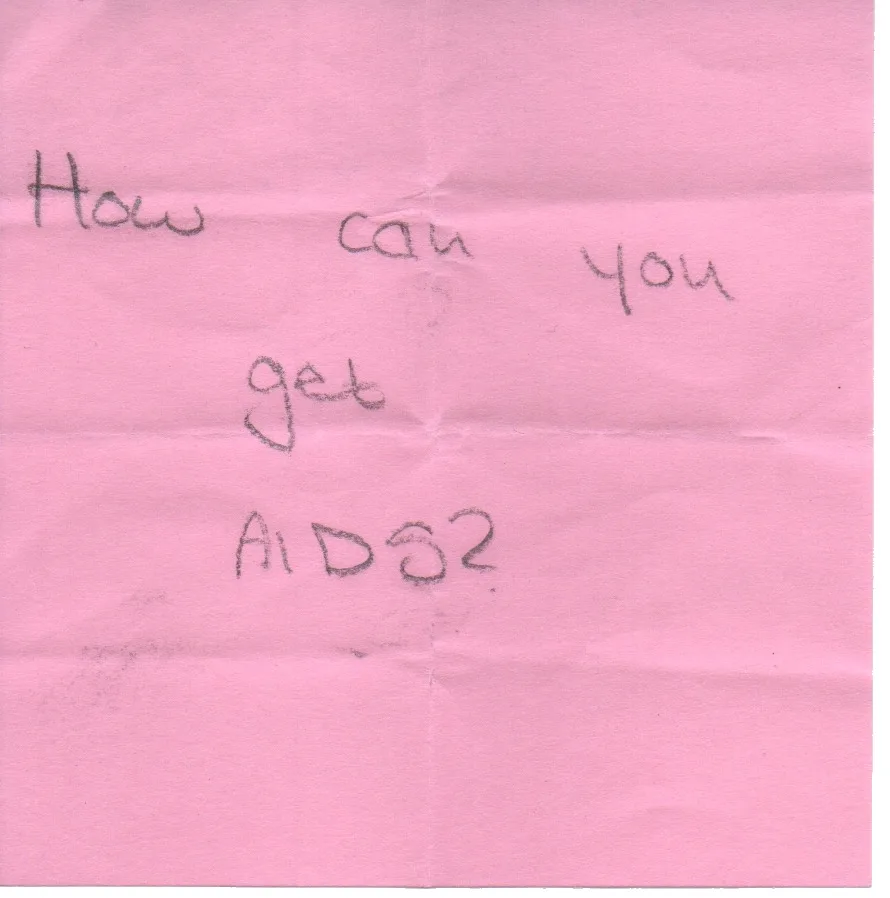
How can you get AIDS?
Read the answer -
 Sexual Health
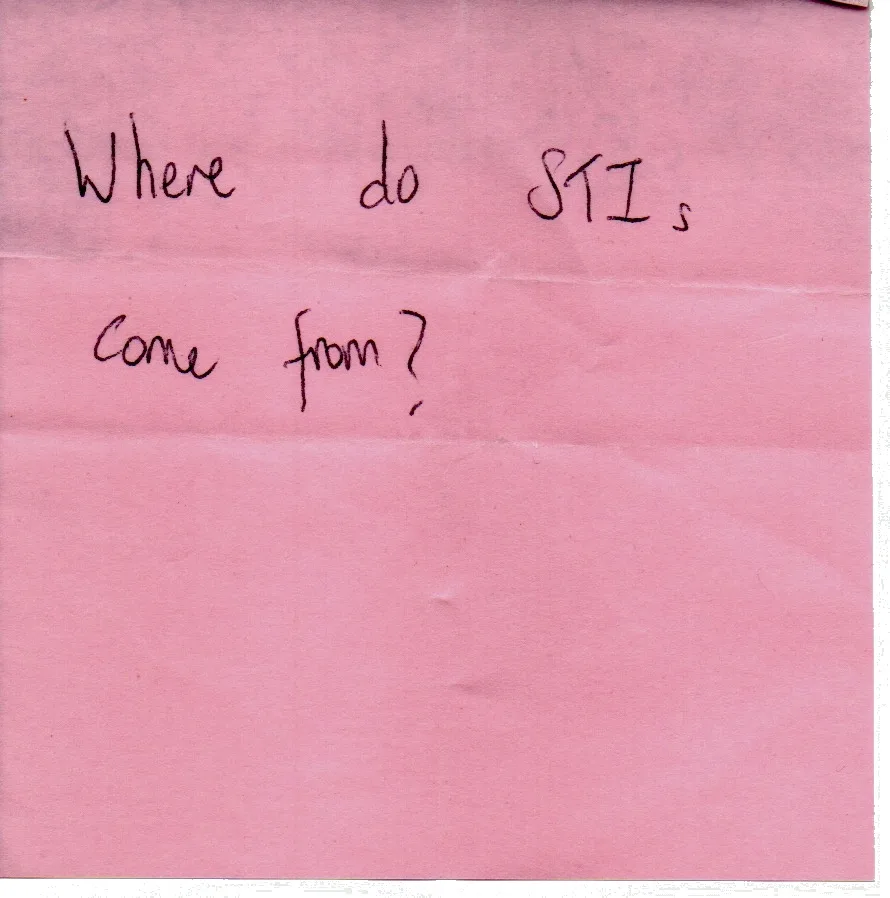
Where do STIs come from?
Read the answer -
 Sexual Health
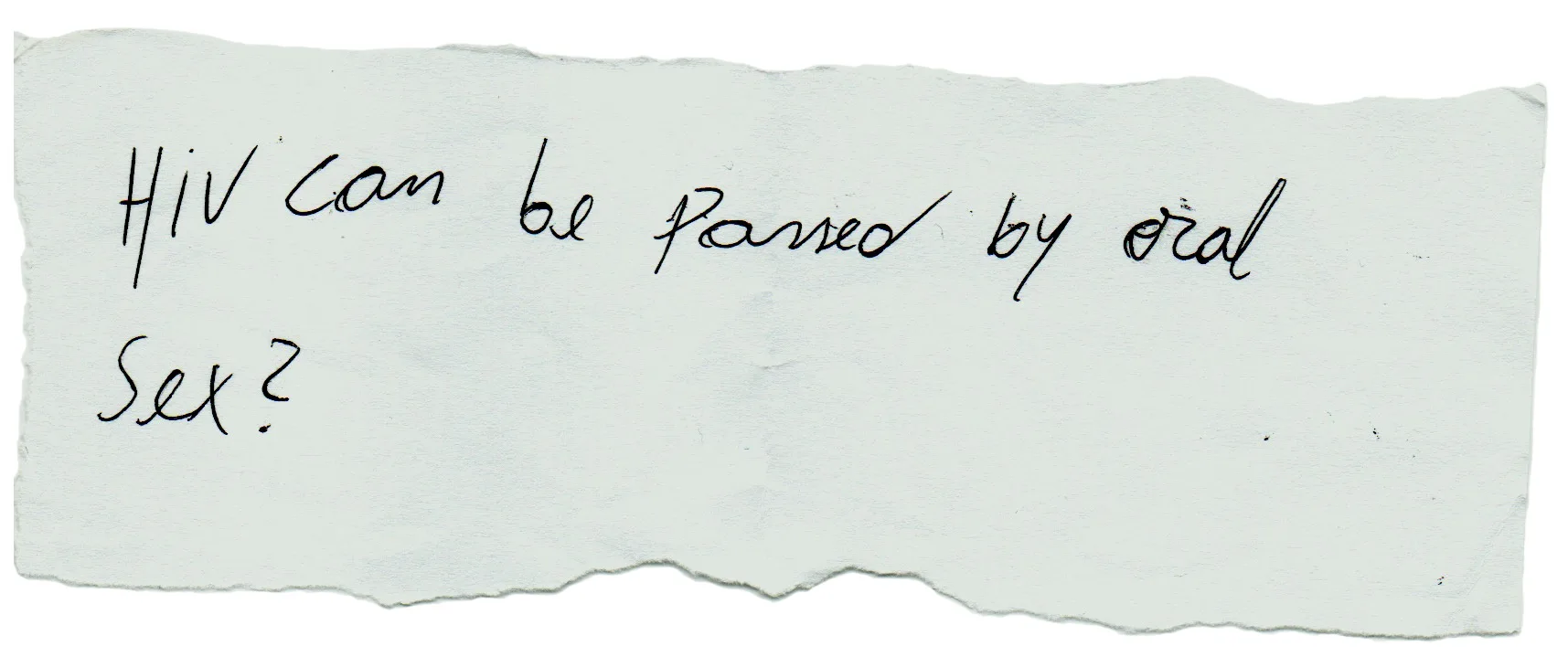
HIV can be passed by oral sex?
Read the answer -
 Sexual Health
If both male and female are virgins can they still get STIs?
Read the answer -
 Sexual Health
Can you get an STI from masturbation or sperm bank etc?
Read the answer
Where to go from here
Three places this answer connects to — pick what you need next.
The book that answers the questions young people really ask — written for parents, carers and educators.
Buy the book →Curriculum guidance, lesson ideas and key terms to teach this topic with confidence.
See the topic hub →Expert-led delivery, training and curriculum planning from the team behind Okay to Ask.
See our services →