

Work Out: Consent, Masculinity, and a Room Full of Athletes
Earlier this year I spent time working on a project called Work Out — a collaboration between Somerset House Studios, King's College London, and a group of educators, artists, and researchers. The aim was to run and masculinity workshops with male university athletes using creative methods instead of a standard curriculum. I was there to design and facilitate the reflective dialogue sessions.
The rest of the team brought very different skills. Dorothee Boulanger and Dr Alana Harris brought historical research on sexual politics and gender. Phoebe Davies brought her "print as protest" art practice. Alex Bowmer brought sports medicine and an understanding of how athlete culture works from the inside. It was a genuinely unusual mix, and that was the point.
Why sports teams
Sports teams at university are one of the places where ideas about masculinity get reinforced most visibly. Not because athletes are worse than anyone else, but because team culture creates a context where certain performances of masculinity become the default, and anything outside that gets quietly discouraged. That makes them an interesting group to work with.
The workshops ran with rugby, basketball, American football, boxing, and handball teams at King's. We weren't there to lecture anyone. The sessions were designed to open up conversations that most of these men had never been invited into — about power, privilege, identity, and what they'd absorbed about how men are supposed to behave.
One participant said afterwards: "It was really nice actually, to be given the opportunity to talk about mental health, harassment, and other issues with a group of guys you play with every week."
That response came up a lot. Not resistance — relief. A lot of young men want to have these conversations. They've never been given the space.
What the sessions looked like
The project didn't start with a fixed curriculum. The team shaped the sessions around what was emerging from the group as we went. Phoebe's art workshops gave participants a way to express things they might not have said out loud. The reflective dialogue sessions I facilitated gave them space to sit with difficult questions without needing to land on a tidy answer.
That combination turned out to work well. The art gave people permission to be honest. The dialogue gave that honesty somewhere to go.
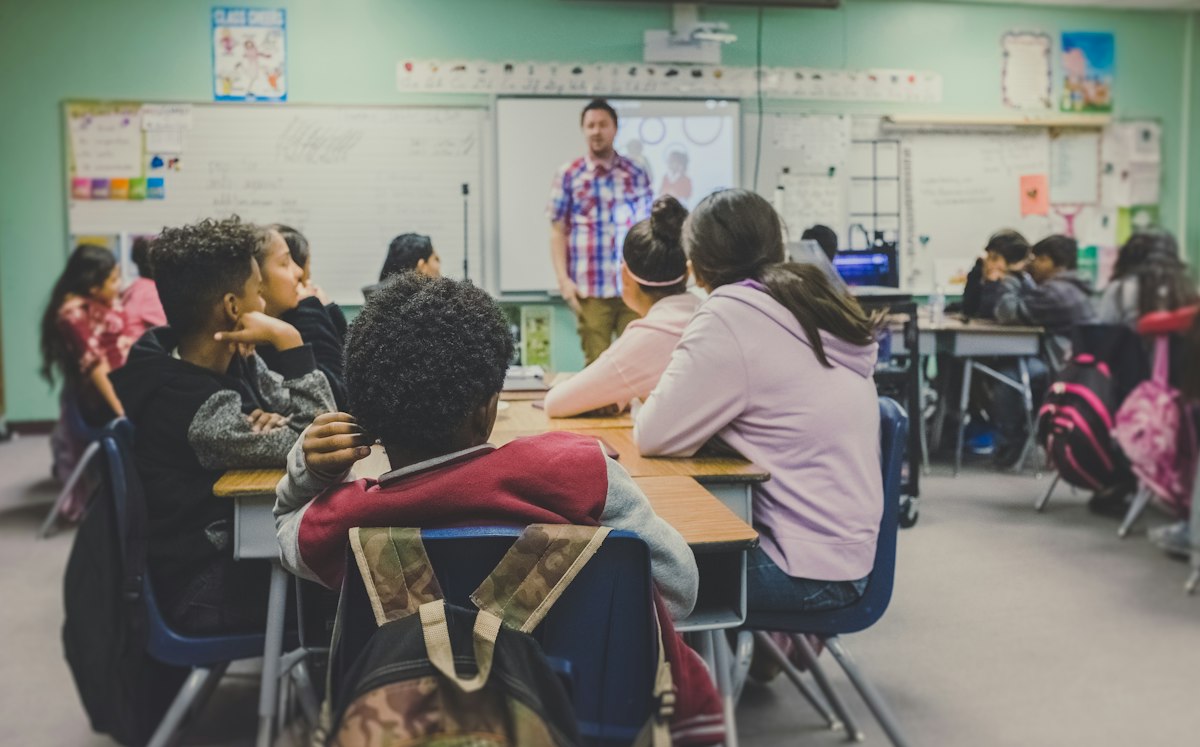
I've worked in RSE for a long time, and one thing I've learnt is that the format matters as much as the content. A consent session that treats participants as people with things to work out — rather than an audience to be briefed — gets a completely different response. That's what happened here.
What I took away
The thing that stuck with me most was how hungry the participants were for the conversation. Once the space was set up properly, they wanted to talk about masculinity, about relationships, about the gap between what they'd been told men should be and what they actually felt.
That tells me something about where consent education could go if it were given more room. In a lot of settings it's delivered as a set of rules. Work Out treated it as something worth thinking about together, and the engagement was completely different.
The project has given me a lot to think about in terms of how we approach masculinity and consent in our own schools work. I'd like to see more projects like it — ones that take creative methods seriously and trust participants to engage honestly when you give them the right conditions.
There's a short documentary about the project that captures what the sessions felt like better than I can in writing.
<video url="https://youtu.be/Sr1gGYVGuGE?si=HYOln647gTKG9m5z"/>
If your school or university is thinking about how to approach consent and masculinity education, I'd be happy to talk about what we learnt. Get in touch.

Want help with direct RSE delivery?
Talk to us about how Tailor Education can support your school.
Get in touch