
RSE for Pupils with SEND: Practical Approaches That Work
I was running a session on healthy relationships in a special school in Oxfordshire a couple of years ago. I'd planned it carefully, adapted my resources, used clear language. About ten minutes in, a pupil put his hand up and asked me a question so direct and so honest that it completely reframed how I thought about the session. He didn't need the nuance stripped out. He needed it presented differently.
That's the thing about RSE for pupils with SEND. The content matters just as much — often more. It's the delivery that needs to change.
Why this matters more, not less
Disabled children are over three times more likely to be abused or neglected than non-disabled children, according to the NSPCC. Research consistently shows that children with SEND have a poorer understanding of , inappropriate touching, and what constitutes a healthy relationship. That makes RSE not just important but urgent for this group.
The 2026 DfE guidance is clear that RSE is statutory for all pupils, including those in special schools and alternative provision. There's no exemption, and there shouldn't be. But the guidance also acknowledges that schools need to adapt content to be age-appropriate and developmentally appropriate, and that's where the practical challenge lies.
What actually works
The Oxfordshire RSE framework for pupils with SEND, developed by practitioners from special schools across the county, is the best resource I've come across. It's built around key safeguarding themes and uses activities, visual resources, and concrete language that work for pupils with a range of needs including autism, moderate learning difficulties, and attachment disorders.
Here's what I've seen make the biggest difference in practice.
Use concrete, literal language. Abstract concepts like "respect" or "boundaries" need to be anchored in specific, observable behaviours. Instead of "respect someone's personal space," try "stand an arm's length away unless they say it's OK to be closer." Pupils with autism in particular benefit from this specificity.
Repetition is your friend. In mainstream settings, you might cover a topic once and move on. In SEND settings, the same concept needs revisiting across multiple sessions, in different contexts, using different examples. The Oxfordshire framework builds this spiral approach into its structure.
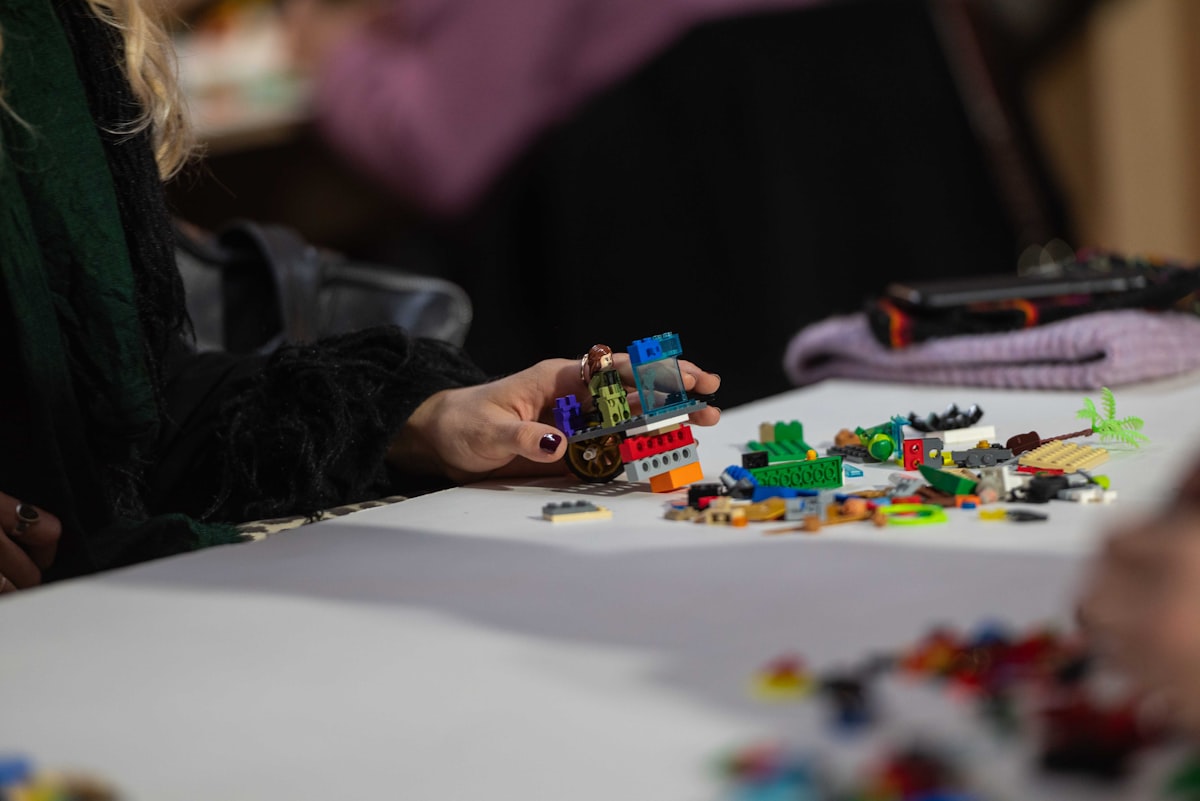
Visual resources do heavy lifting. Social stories, comic strip conversations, and visual scales for emotions give pupils concrete reference points they can return to. One school I work with uses a traffic light system for physical contact — green for handshakes and high fives, amber for hugs with permission, red for touches that aren't OK — and it's become part of the school's shared language.
Teach private and public explicitly. The distinction between what's appropriate in private and what's appropriate in public is something many pupils with learning difficulties need taught directly and repeatedly. This isn't about shaming. It's about giving young people the social knowledge they need to stay safe and navigate the world.
Managing disclosure
SEND settings can have higher rates of disclosure during RSE sessions, partly because the teaching itself helps pupils recognise and name experiences they hadn't previously understood as harmful. Staff need to be prepared for this. Have clear, practised protocols. Know who your DSL is and how to make a referral without disrupting the session for other pupils.
The emotional impact on staff shouldn't be underestimated either. Delivering RSE in settings where vulnerability is high can be draining. Make sure staff have access to supervision and debrief time.
Trusted resources
- Oxfordshire RSE framework for SEND: Practical activities and resources organised by safeguarding theme (schools.oxfordshire.gov.uk)
- NSPCC: Safeguarding deaf and disabled children — research and guidance (learning.nspcc.org.uk)
- DfE 2026 statutory guidance: Requirements for SEND settings (gov.uk)
If your school needs support adapting your RSE programme for pupils with SEND, get in touch.


Want help with direct RSE delivery?
Talk to us about how Tailor Education can support your school.
Get in touch