
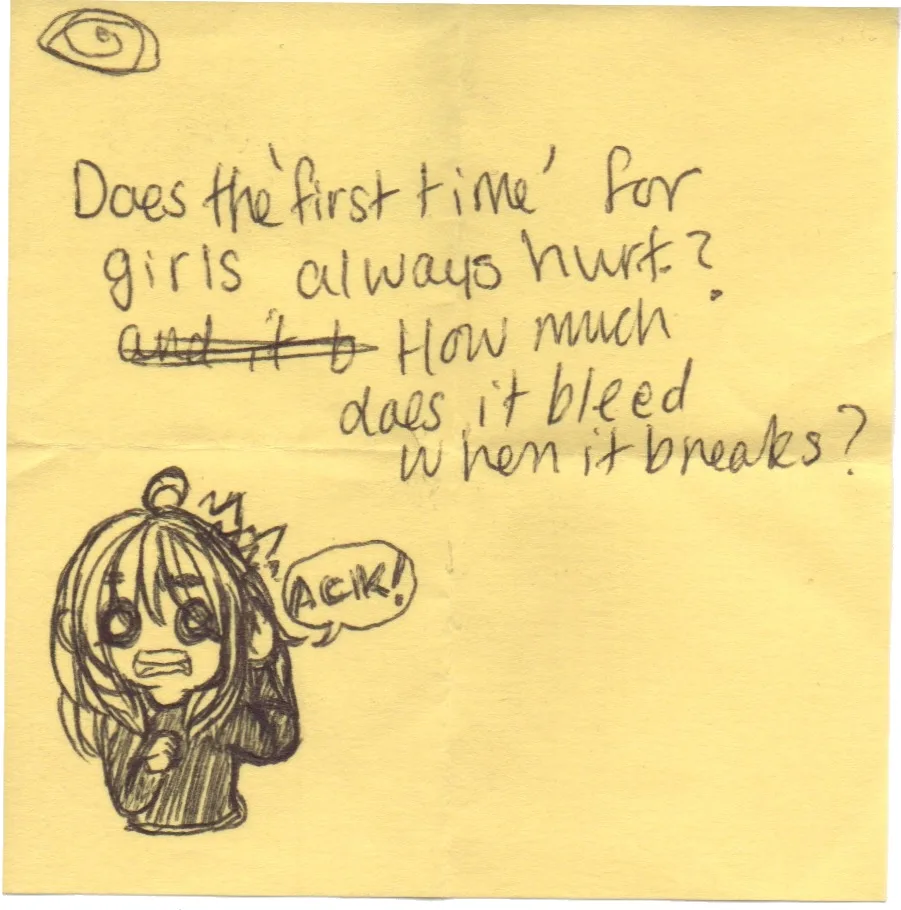
Does the 1st time always hurt?
No, the first time doesn't always hurt. Some people feel discomfort, some feel nothing unusual, and for some it's painful. It varies a lot.
When it does hurt, it's usually because of nervousness, not being aroused enough, or rushing into it. When you're nervous, your muscles tense up, which can make uncomfortable. When you're aroused, the naturally relaxes and produces lubrication, which makes things much more comfortable. Skipping that step is one of the main reasons the first time hurts.
Using lube can help a lot, especially the first time. There's nothing wrong with using it, and it doesn't mean your body isn't working properly. It just makes things easier.
If something hurts, you can slow down, change what you're doing, or stop. You should always feel able to stop. Pain isn't something you're supposed to push through during sex.
If sex is consistently painful beyond the first time, it's worth speaking to a GP or . There are common, treatable reasons for it.
No, the first time does not always hurt. Some people feel a bit uncomfortable. Some feel nothing unusual. Some find it painful. It is different for everyone.
When it does hurt, it is usually because of feeling nervous, not being turned on enough, or rushing. When you are nervous, your muscles tense up. When you are relaxed and turned on, the gets wet and opens up, which makes things much more comfortable.
Using lube helps a lot. There is nothing wrong with using it.
If something hurts, you can slow down or stop. You should always feel able to stop. If sex keeps hurting after the first time, see a doctor. There are common reasons for it that can be treated.
Need to talk to someone?
- BrookSexual health, contraception, relationships, STIs. For under-25s.
- ChildlineAny issue affecting under-19s. Abuse, bullying, mental health, relationships, sexual health.
- NHS Sexual HealthSexual health services, STI testing, contraception.
Other questions young people ask
-
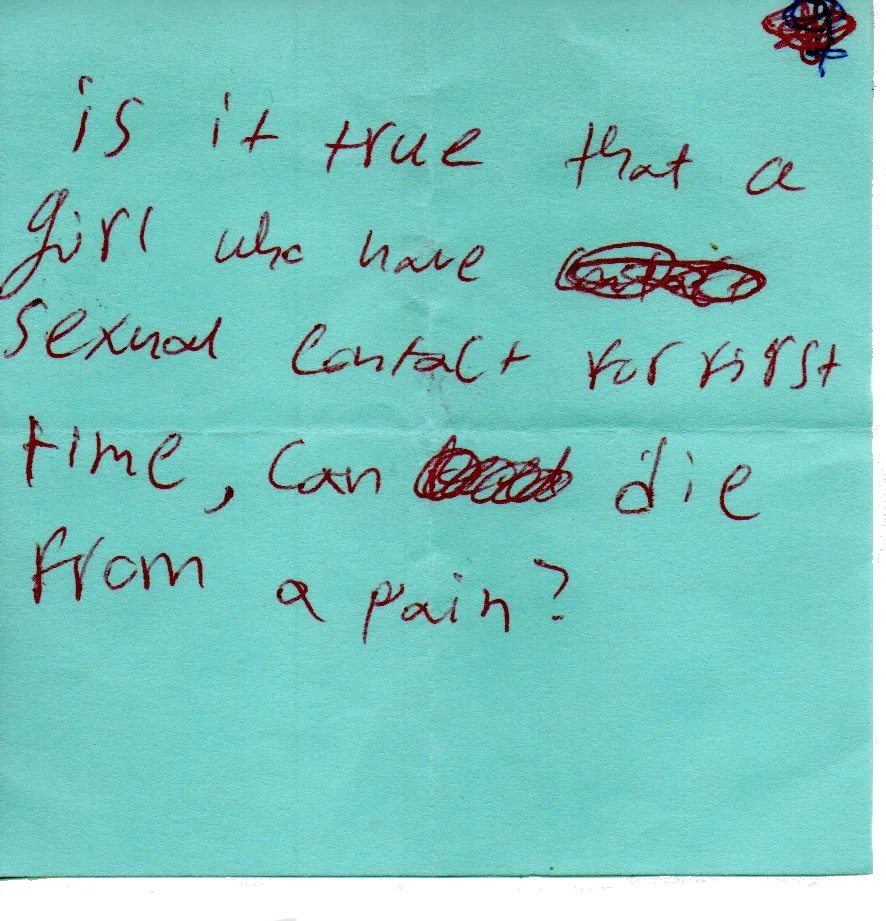 Sex
SexIs it true that a girl who has sexual contact for the first time can die from the pain?
Read the answer -
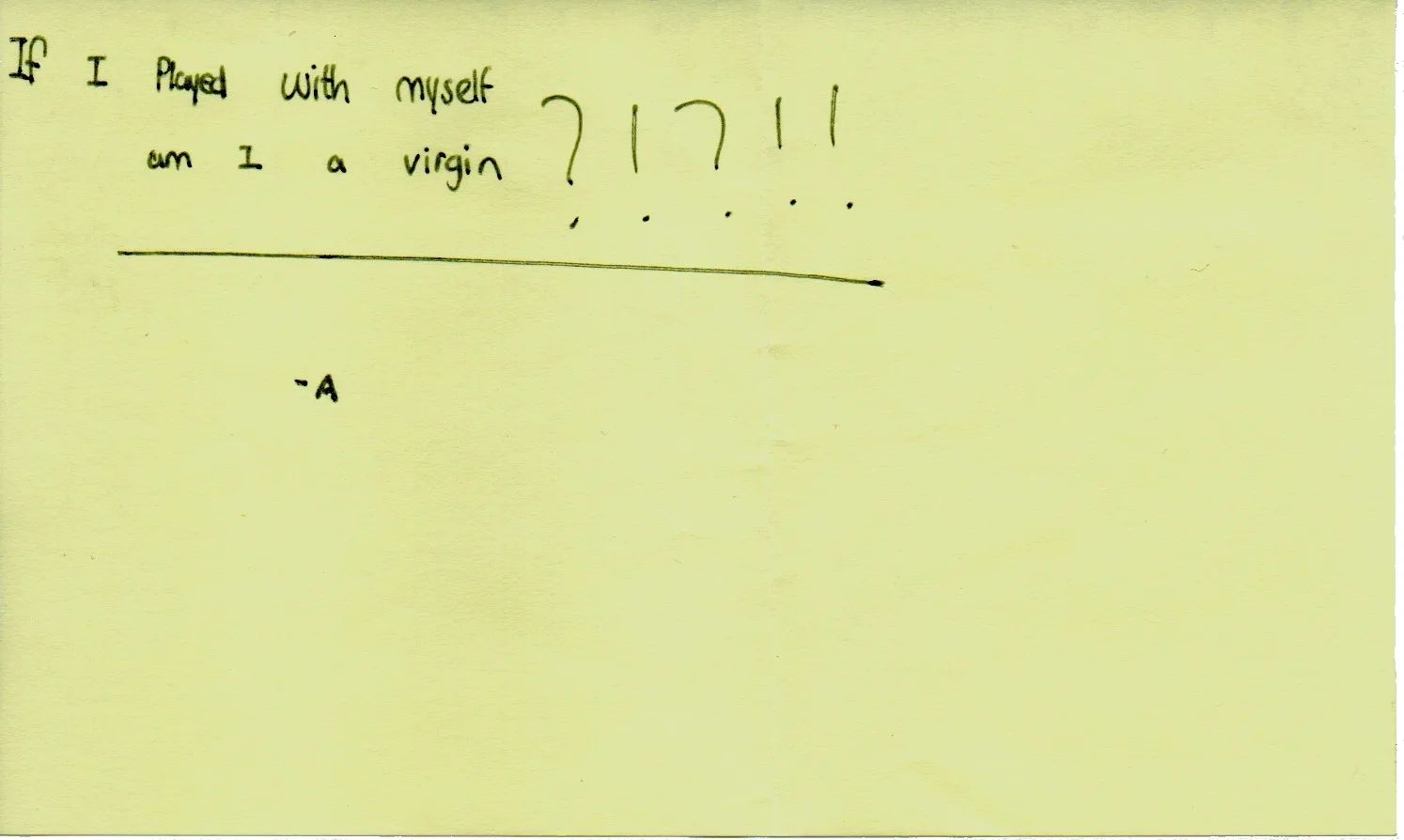 Sex
SexIf I played with myself, am I a virgin?
Read the answer -
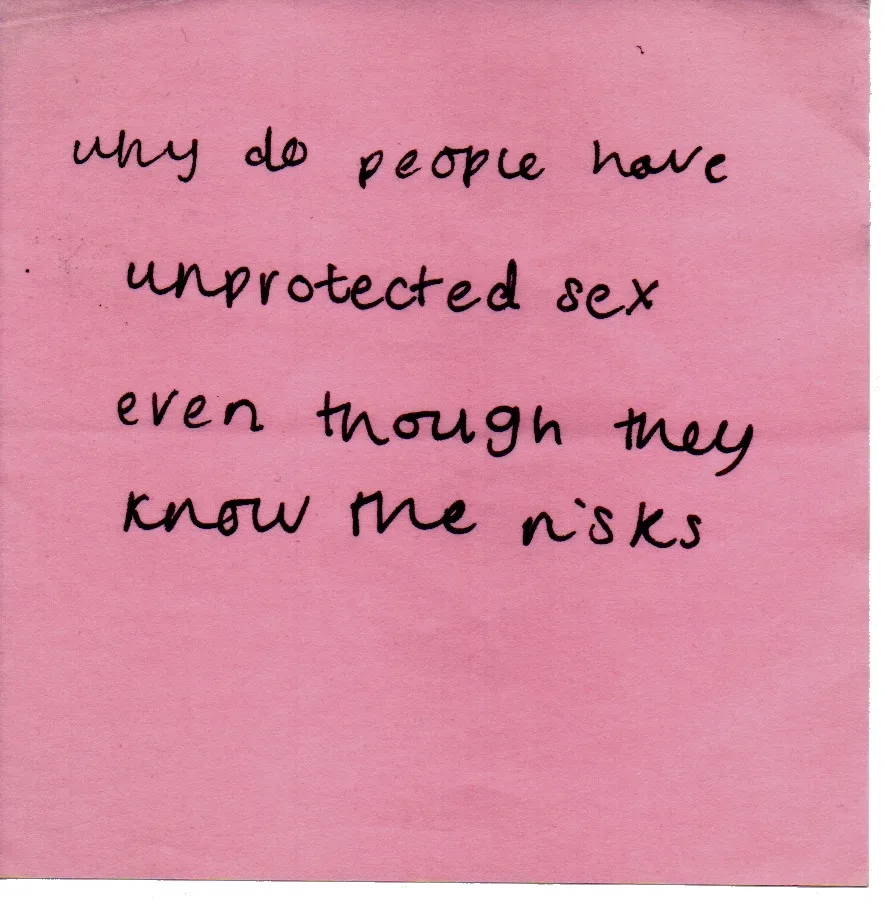 Contraception & Pregnancy
Why do people have unprotected sex if they know the risks?
Read the answer -
 Relationships
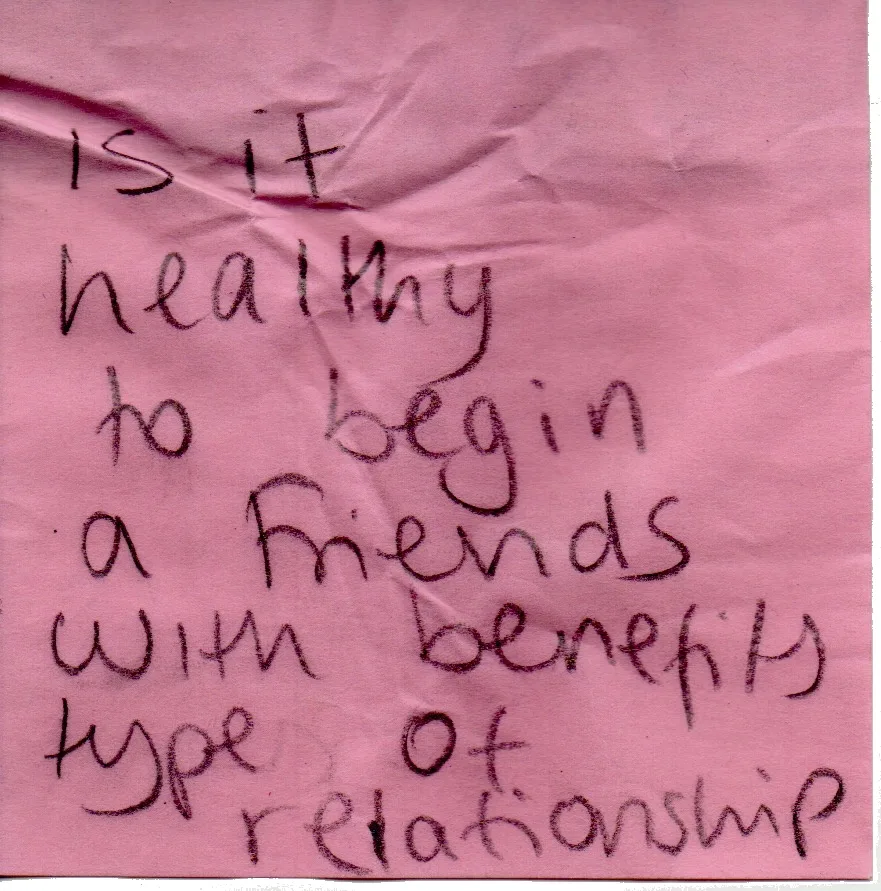
Is it healthy to begin a friends with benefits type relationship?
Read the answer -
 Sex & the Law
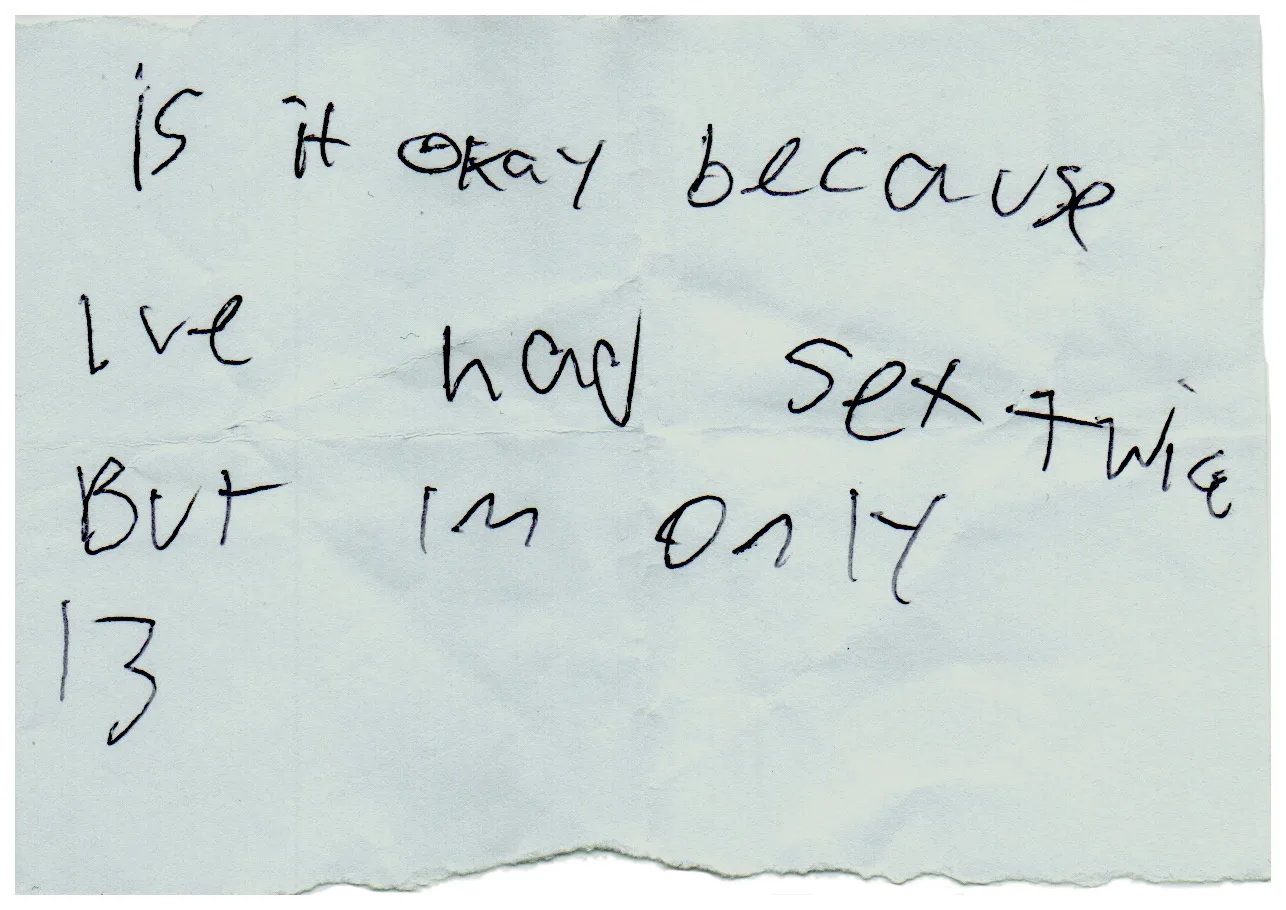
Is it okay because I've had sex twice but I'm only 13?
Read the answer
Where to go from here
Three places this answer connects to — pick what you need next.
The book that answers the questions young people really ask — written for parents, carers and educators.
Buy the book →Curriculum guidance, lesson ideas and key terms to teach this topic with confidence.
See the topic hub →Expert-led delivery, training and curriculum planning from the team behind Okay to Ask.
See our services →