
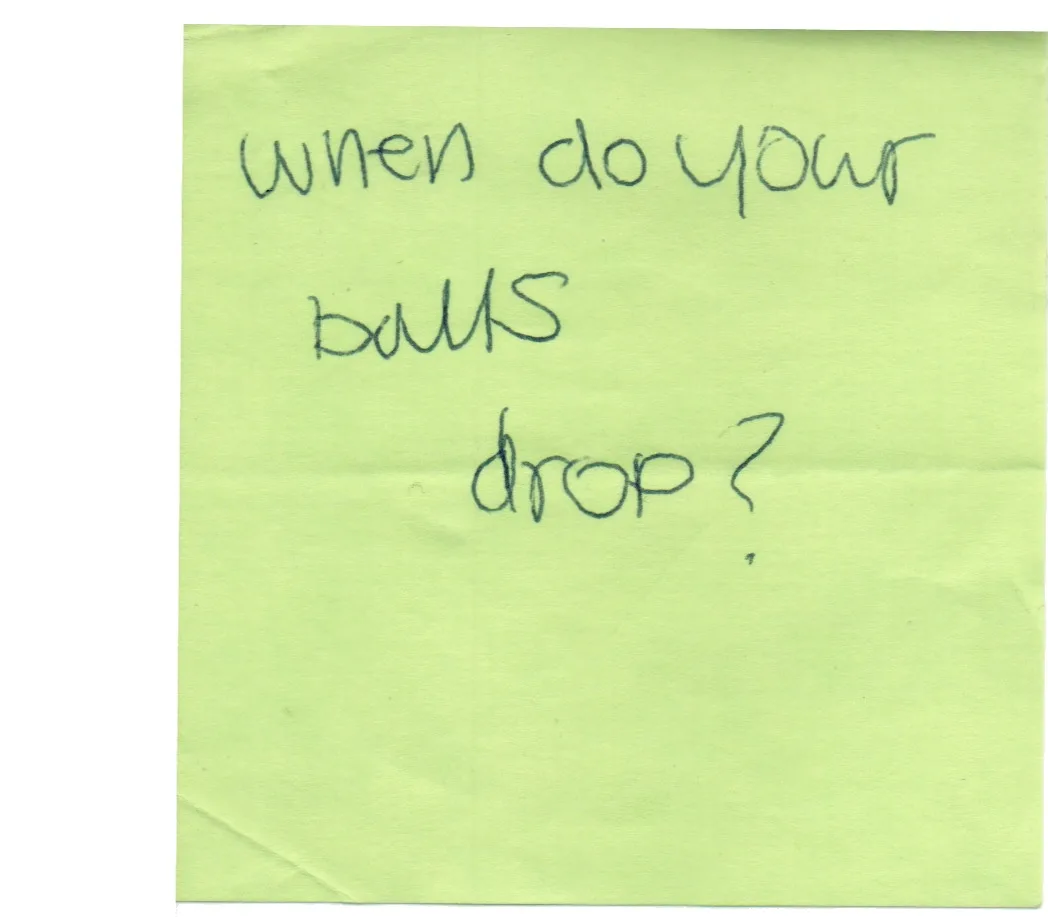
When do your balls drop?
"Your balls dropping" usually refers to the getting bigger and hanging lower during . It's one of the early signs that puberty has started.
Most people notice this happening somewhere between the ages of 9 and 14, but everyone's different. The testicles are usually one of the first things to change during puberty, often before your voice might break or a .
The reason they hang lower is temperature. needs to be kept slightly cooler than the rest of the body, so the moves the testicles away from the body to regulate the temperature. You might notice they hang lower when you're warm and sit closer to the body when you're cold. That's completely normal.
It's also normal for one testicle to hang slightly lower than the other, or for them to be slightly different sizes. That's just how most bodies are.
If you're younger than 17 and worried about it, try to relax. Puberty happens on a different schedule for everyone, and starting later doesn't mean anything is wrong. If you're around 17 or 18 and things still haven't kicked in, it's worth having a chat with a doctor. But in most cases, everything happens on its own schedule and there's no need to rush it.
Your balls dropping means the getting bigger and hanging lower. This is one of the first signs of .
It usually happens between the ages of 9 and 14. Everyone is different.
The reason they hang lower is temperature. needs to be kept a bit cooler than the rest of the body. So the moves the testicles away from the body to keep them cool. They hang lower when you are warm and sit closer when you are cold.
It is normal for one to hang lower than the other or be a slightly different size.
If you are worried because puberty has not started yet, try to relax. It happens on its own schedule.
Need to talk to someone?
- BrookSexual health, contraception, relationships, STIs. For under-25s.
- ChildlineAny issue affecting under-19s. Abuse, bullying, mental health, relationships, sexual health.
Other questions young people ask
-
 Puberty
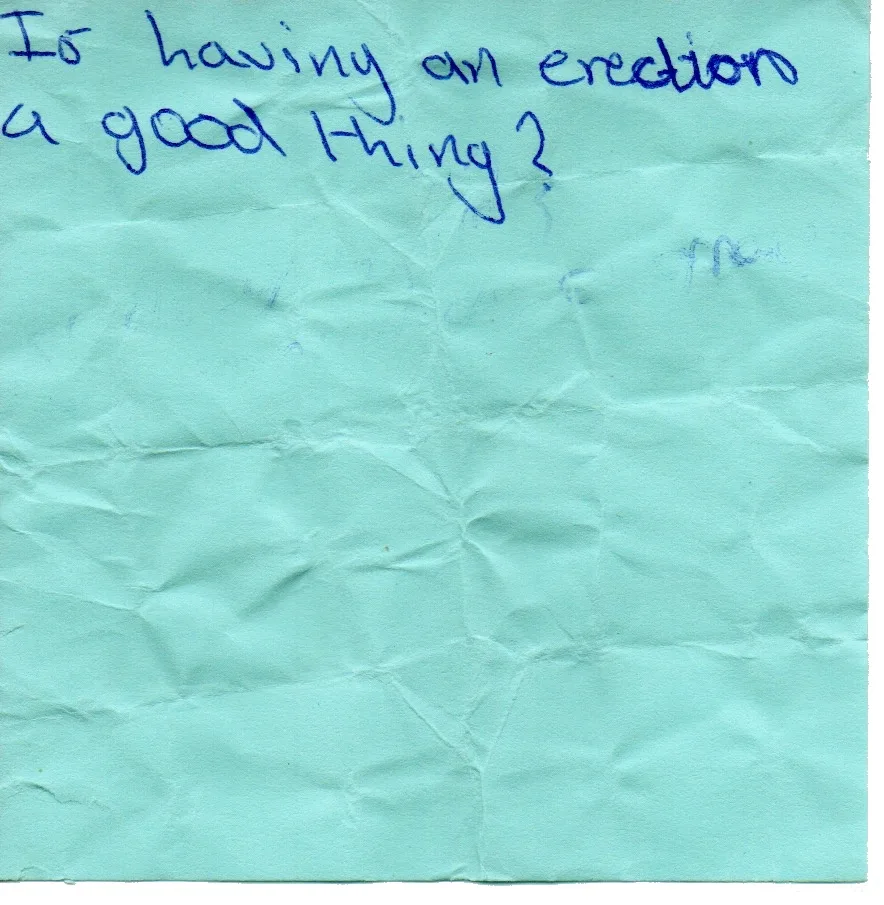
Is having an erection a good thing?
Read the answer -
 Puberty
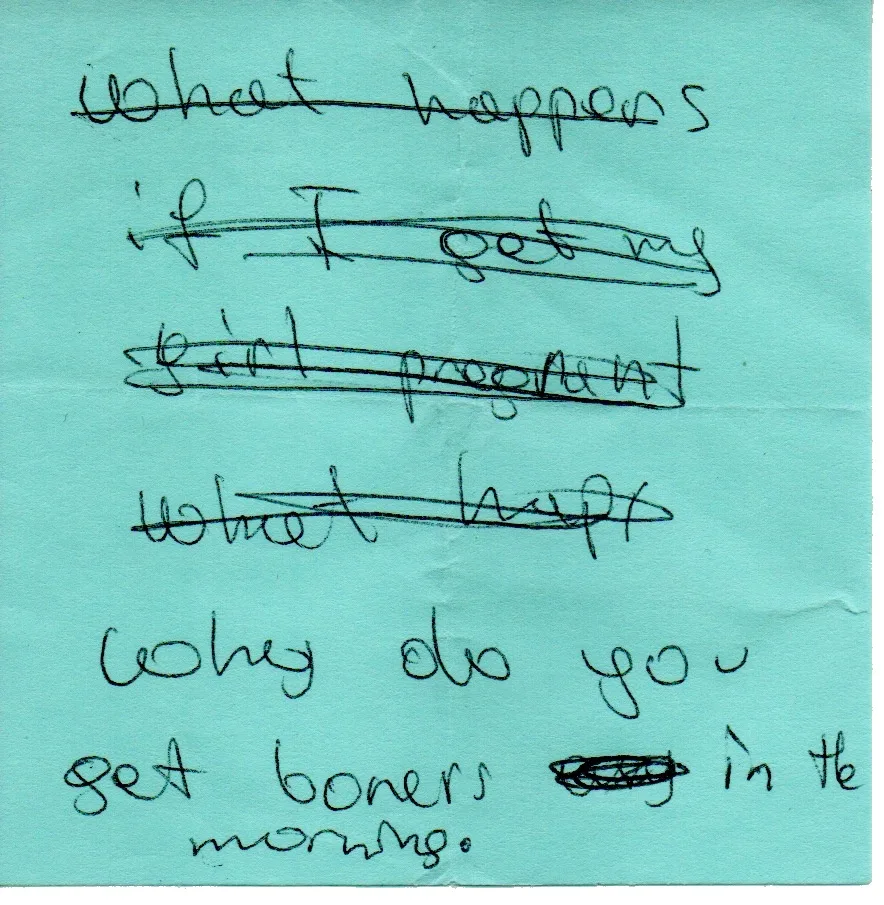
Why do you get boners in the morning?
Read the answer -
 Contraception & Pregnancy
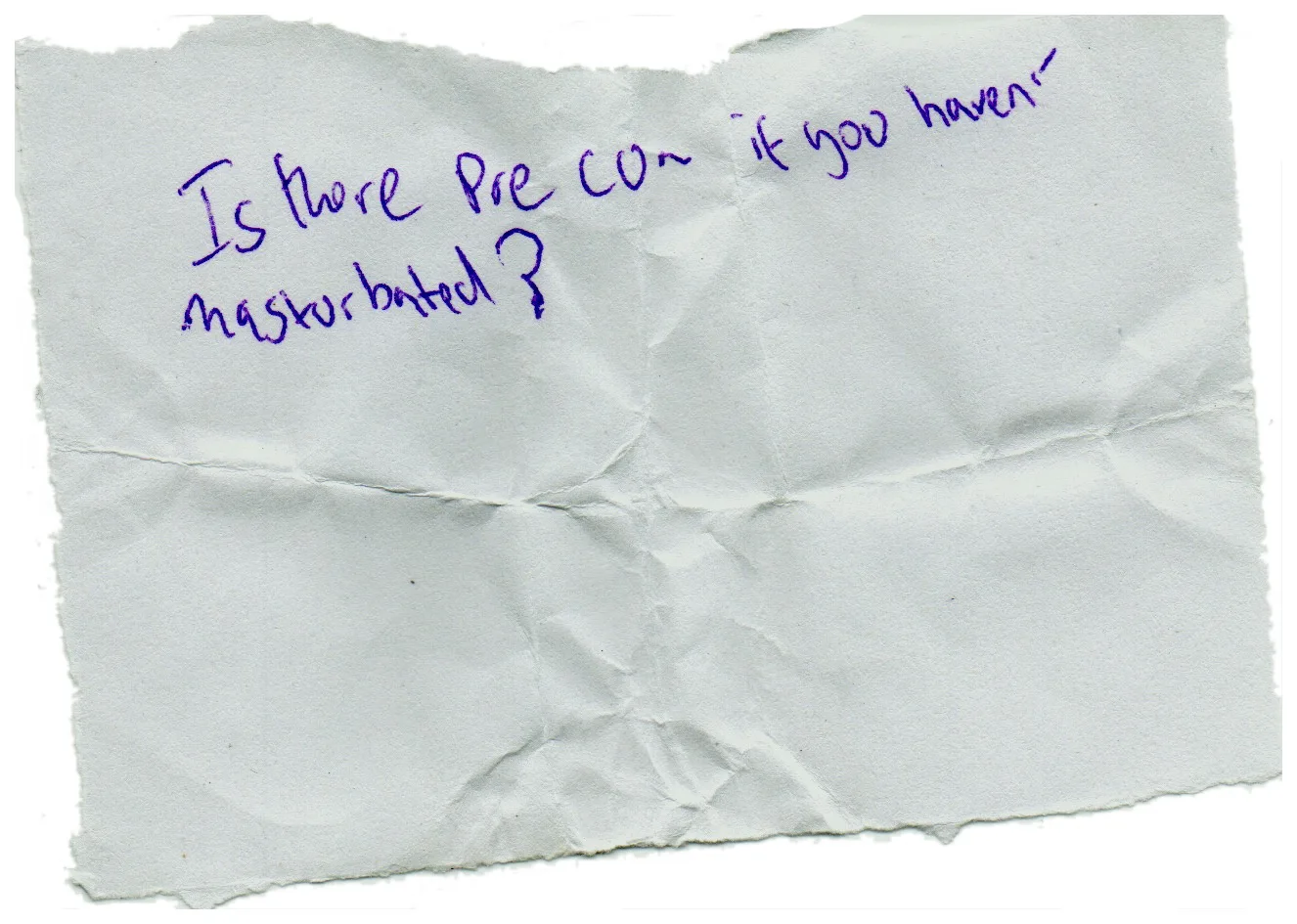
Is there pre-cum if you haven't masturbated?
Read the answer -
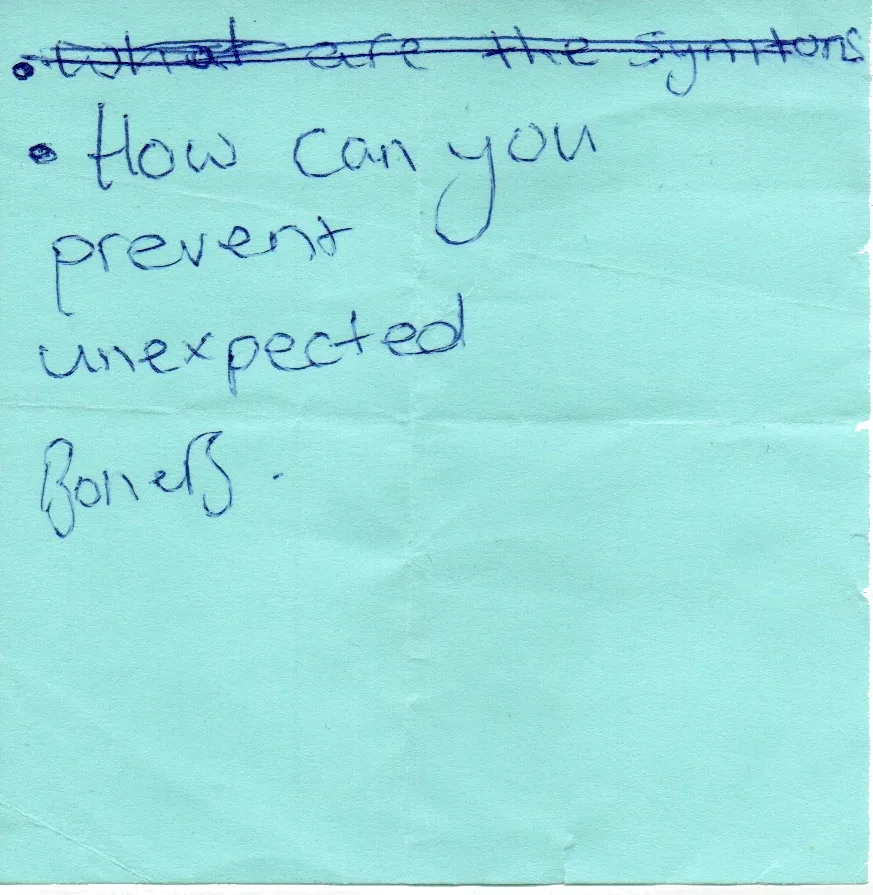 Puberty
How can you prevent unexpected boners?
Read the answer -
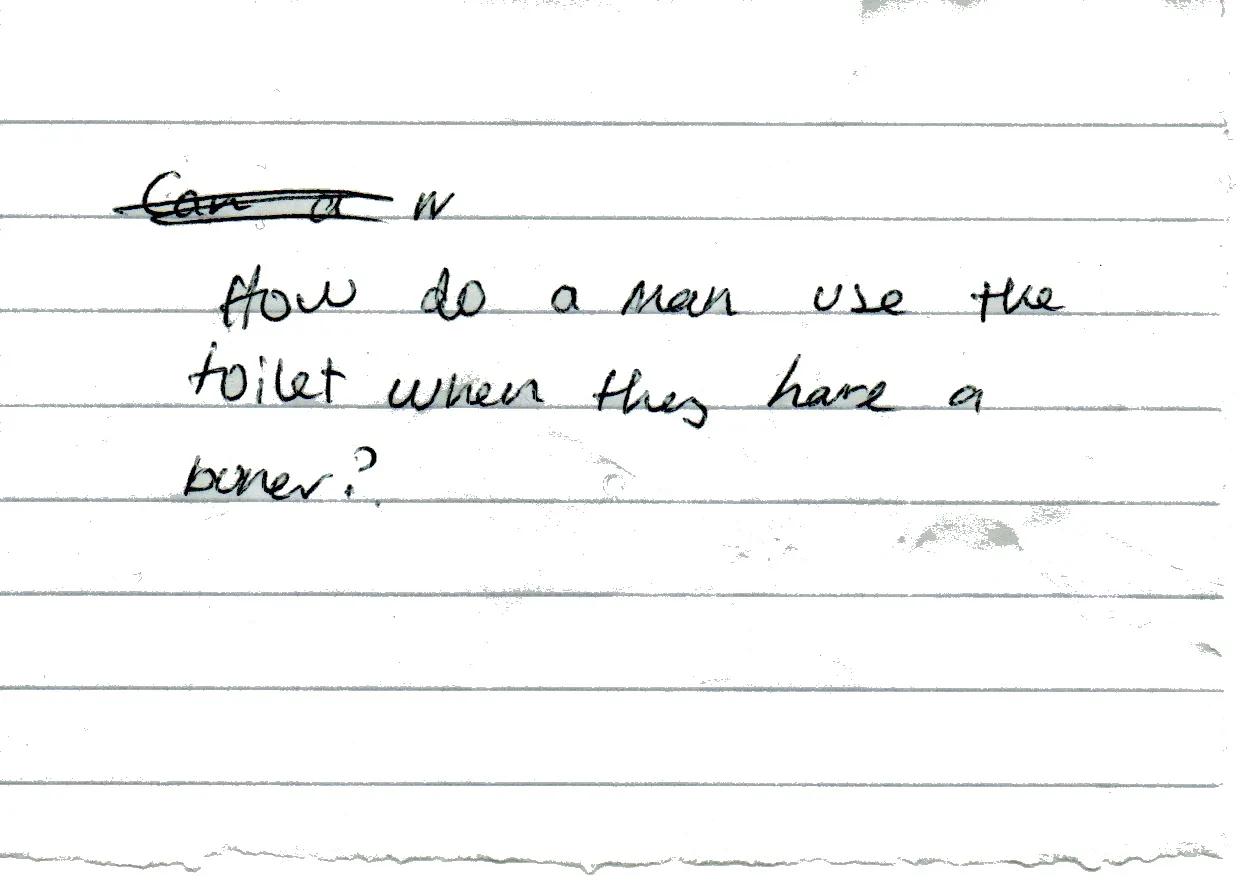 Anatomy
How can a man use the toilet when they have a boner?
Read the answer
Where to go from here
Three places this answer connects to — pick what you need next.
The book that answers the questions young people really ask — written for parents, carers and educators.
Buy the book →Curriculum guidance, lesson ideas and key terms to teach this topic with confidence.
See the topic hub →Expert-led delivery, training and curriculum planning from the team behind Okay to Ask.
See our services →